




Walk through any major shopping district this season and you’ll notice something oddly familiar underfoot. Clear, translucent footwear is reappearing on sidewalks with the same determination that drove its initial popularity decades ago.
Jelly shoes, those distinctive plastic sandals that dominated childhood summers in the 1980s and 1990s, are staging what appears to be their most serious comeback yet. The timing feels deliberate – arriving just as fashion cycles through its predictable 30-year rotation.

The Economics Behind Nostalgic Footwear
Major retailers are already stocking up. Target, Walmart, and specialty shoe stores have expanded their jelly shoe selections by 40% compared to last summer’s inventory. The price points remain accessible, with most styles ranging from $15 to $45, making them an easy impulse purchase for consumers testing the trend waters.
What’s driving this resurgence isn’t just nostalgia. The practical benefits that made jellies popular initially – they’re waterproof, easy to clean, and surprisingly durable – appeal to today’s lifestyle needs. Beach trips, pool parties, and outdoor festivals create natural demand for footwear that can handle moisture without permanent damage.
Designer Interpretations Elevate the Category
High-end fashion houses aren’t ignoring this movement. Bottega Veneta introduced a $690 clear sandal that sold out within weeks of its debut. The luxury version features the same transparent aesthetic but with premium materials and construction techniques that justify the elevated price point.
Melissa, the Brazilian brand that helped maintain jelly shoe production during their dormant years in mainstream fashion, now collaborates with designers like Vivienne Westwood and Jason Wu. These partnerships have created limited-edition versions that retail for $150 to $300, bridging the gap between nostalgic novelty and serious fashion statement.
The color palette has expanded significantly beyond the basic clear plastic of decades past. Neon yellows, electric blues, and holographic finishes dominate current collections. Some versions incorporate glitter, metallic threads, or textured surfaces that catch and reflect light differently than their predecessors.
Social media amplification plays a different role than it did during previous fashion revivals. Instagram and TikTok users document their jelly shoe styling attempts, creating viral content around creative ways to incorporate the shoes into contemporary outfits. The hashtag #jellyshoes has accumulated over 2 million posts across platforms, with engagement rates consistently outperforming other footwear trends.

Production Challenges and Environmental Questions
Manufacturing has shifted considerably since the original jelly shoe boom. Most production now happens in Vietnam and Indonesia rather than Brazil, where the style originated. This geographic shift has reduced costs but raised questions about labor practices and environmental impact that weren’t prominent concerns during the 1980s.
The plastic composition remains largely unchanged – most jellies use PVC or similar synthetic materials that don’t biodegrade. Environmental advocates point out this contradiction with growing sustainability awareness in fashion, though some brands are experimenting with recycled plastic alternatives.
Cultural Context Shapes Modern Reception
Today’s jelly shoe wearers approach the trend differently than previous generations. Gen Z consumers, who missed the original wave entirely, treat them as a fresh discovery rather than a nostalgic throwback. This perspective allows for more experimental styling and less attachment to “authentic” ways of wearing them.
Millennials, who lived through both the original trend and its early 2000s attempted comeback, bring a more knowing approach. They understand the comfort limitations – jellies can cause blisters and don’t provide significant foot support – but choose them anyway for specific occasions where style outweighs practicality.
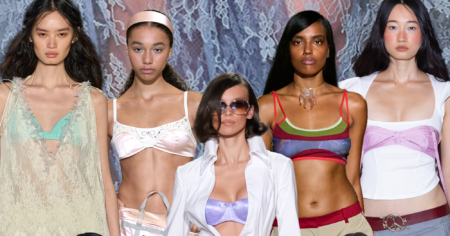
The generational divide creates interesting market dynamics. Recent shopping pattern analysis shows younger consumers more willing to invest in statement versions, while older buyers gravitate toward basic styles that mirror their childhood memories. Fashion weeks in New York and Paris featured jelly shoes in 12% more runway looks this spring compared to last year, suggesting industry confidence in their staying power extends beyond summer novelty.

Yet questions remain about duration and depth of this revival. Previous jelly shoe comebacks faded quickly once the novelty wore off and practical limitations became apparent. Will modern improvements in comfort and style variety prove sufficient to sustain interest past the initial wave of curiosity?