




The bob haircut refuses to fade into fashion history. Instead, it keeps morphing into new shapes that solve old problems – like wanting both short and long hair simultaneously. This spring, hairstylists across the globe are pushing the boundaries of what a bob can be, creating cuts that defy traditional length rules and challenge how we think about hair styling.
From London salons to Los Angeles studios, stylists are developing techniques that promise maximum versatility with minimal commitment. The innovations aren’t just about aesthetic appeal; they’re about functionality, giving wearers multiple looks from a single cut.
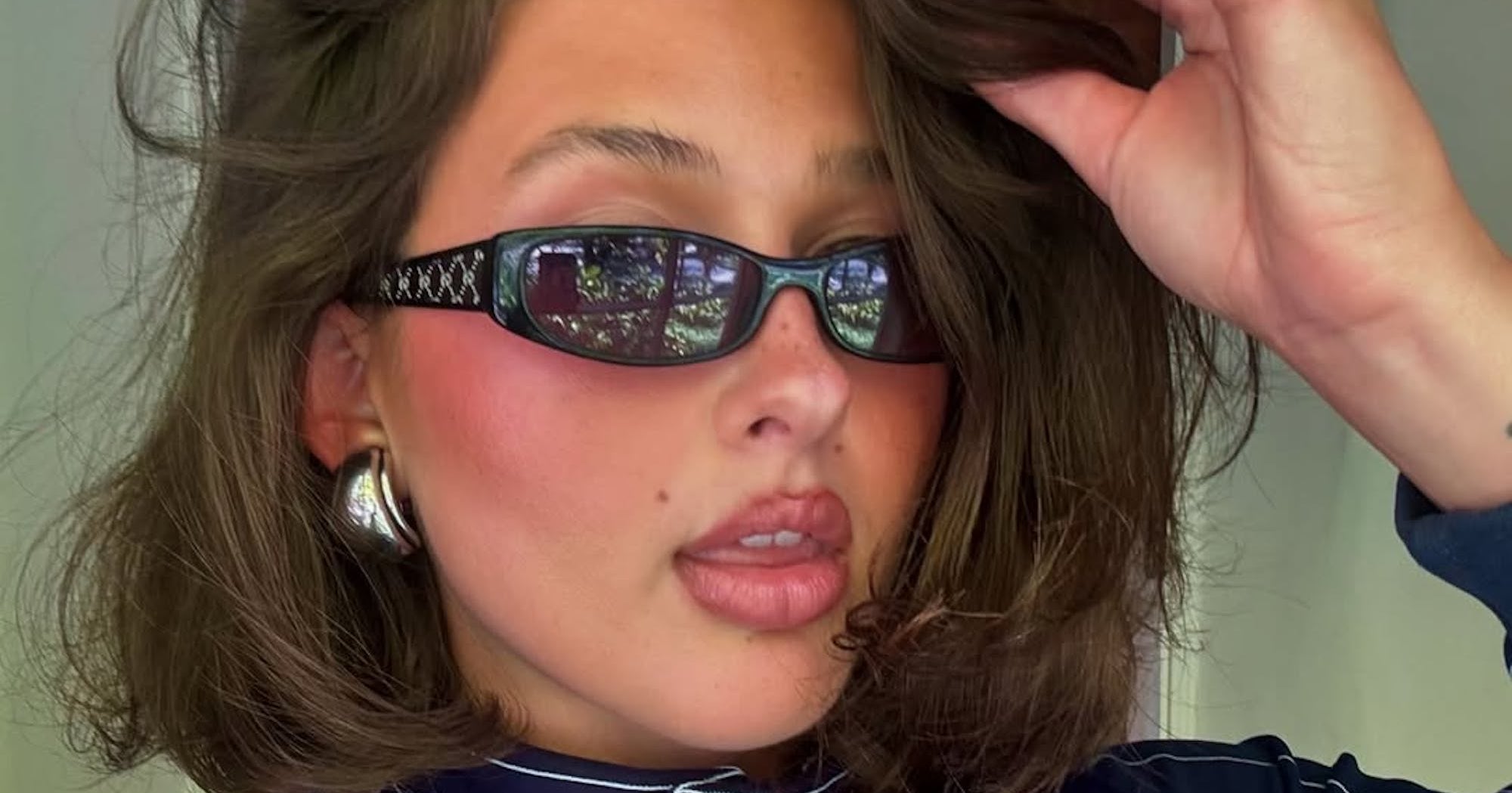
The Optical Illusion Cut
Hairstylist George Curran describes the Korean bob as one of the most exciting haircut innovations currently emerging. The technique creates what he calls “two hairstyles in one” – a bob when hair is tied or clipped up, and long hair when worn down. This isn’t achieved through extensions or temporary styling tricks.
The Korean bob relies on a specialist cutting technique that creates an optical illusion. “It’s perfect for anyone who wants versatility without compromise,” Curran explains. The method allows clients to maintain their length while still experiencing the benefits of shorter hair when desired. No extensions required, no permanent length sacrifice made.
Timothy Ting’s Instagram demonstration of the technique shows the dramatic transformation in action. The visual effect appears almost magical – hair that looks definitively short from one angle reveals hidden length when styled differently. This addresses a common client dilemma: the desire for change without the regret that often follows major length removal.
Movement Over Structure
The airy bixie represents another direction entirely. Devin Graciano, professional hairstylist and CEO of Goldie Locks, positions this cut as blending “charm and delicacy with a modern and lived-in edge.” The bixie – a bob-meets-pixie hybrid – prioritizes movement over rigid structure.

Graciano emphasizes the cut’s lightweight, soft quality that maintains “that effortless, airy feel” while still possessing attitude and intention. The style works particularly well for what she calls “the playful and confident person who wears it.” Jordz’s execution of the cut demonstrates how the bixie can feel both contemporary and timeless, with room for personalization based on individual texture and personality preferences.
Beyond Basic Cuts
The versatility that defines the bob’s enduring appeal extends far beyond these two innovations. The spectrum now includes everything from the ultra-short bixie to the longer lob (long bob), each addressing different lifestyle needs and aesthetic preferences. Stylists are no longer bound by traditional bob parameters.
What makes these variations particularly relevant is their problem-solving approach. The Korean bob addresses length commitment anxiety. The airy bixie solves the desire for edginess without heaviness. Each iteration responds to specific client concerns rather than following arbitrary trend dictates.
The technical skill required for these cuts also elevates the salon experience. Clients aren’t just getting haircuts; they’re investing in specialized techniques that require specific training and expertise. This positions the bob not as a basic cut but as a sophisticated styling solution.

Spring’s bob trends suggest that hair cutting is becoming increasingly engineered rather than intuitive. The Korean technique’s optical illusion properties require precise mathematical cutting. The airy bixie demands understanding of hair movement and texture behavior. These aren’t cuts that can be replicated easily at home or by inexperienced stylists.
The question becomes whether clients will embrace the complexity these new bobs require, or if the maintenance demands will send them searching for simpler solutions.