




Red Carpet Revival Despite Celebrity Shortage
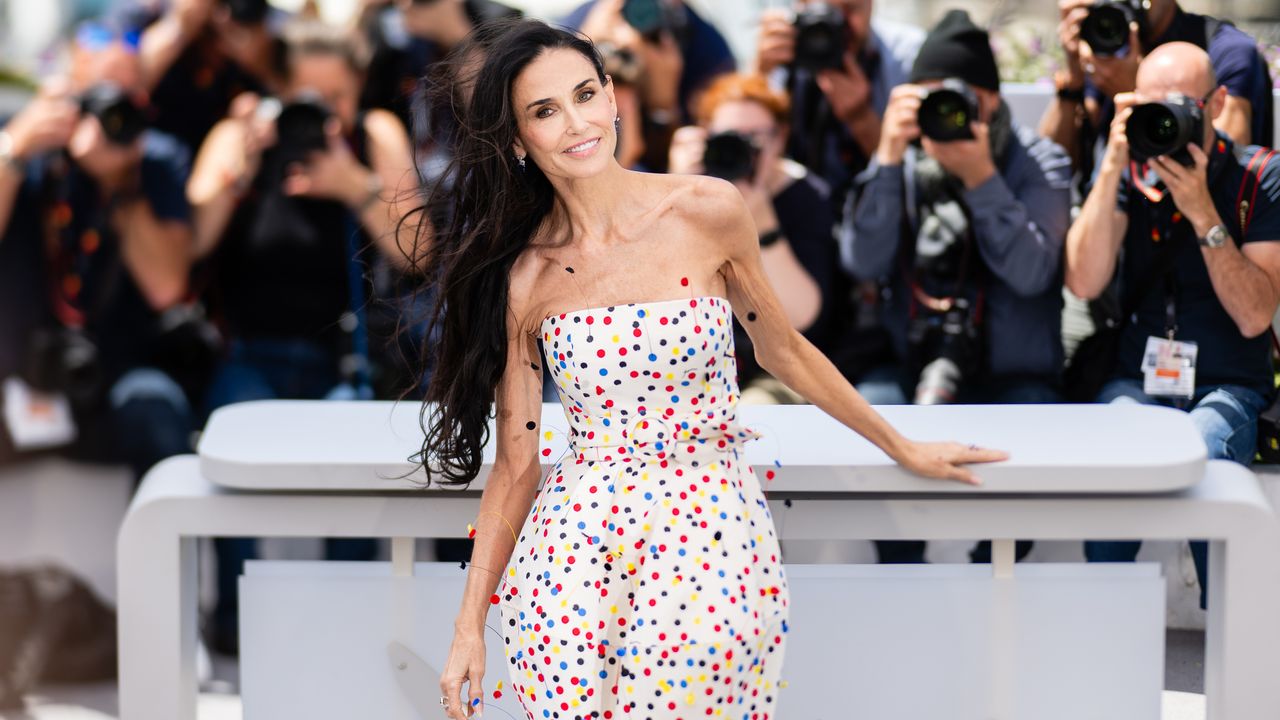
The 2026 Cannes Film Festival delivered an unexpected fashion triumph despite drawing fewer A-list celebrities than previous years. While the Croisette missed some of its usual marquee names, the sartorial choices from attending stars reached new heights of creativity and risk-taking.
Fashion editors and industry watchers noted a marked shift in red carpet approach.
The absence of certain Hollywood heavyweights created space for emerging talents and international stars to command attention through bold styling choices. Rather than relying on established celebrity magnetism, this year’s festival became a showcase for innovative fashion partnerships and experimental looks that pushed traditional formal wear boundaries.
European Cinema’s Fashion Forward Moment
The European film festival’s reduced star quotient coincided with an elevation in fashion risk-taking that caught industry observers off guard. Attendees embraced avant-garde designers and unconventional silhouettes that wouldn’t typically appear at major film premieres. Young directors and first-time festival participants brought fresh energy to the traditional glamour landscape.
Several breakout fashion moments emerged from relatively unknown actors making their Cannes debuts. Their stylists chose to make statements rather than play it safe, resulting in memorable looks that dominated social media coverage despite the wearers’ limited name recognition. This approach proved that fashion impact doesn’t always correlate with celebrity status.
The festival’s fashion narrative shifted from designer name-dropping to actual artistic expression. Attendees collaborated with emerging designers, vintage specialists, and sustainable fashion advocates to create looks that told stories beyond simple luxury display. This evolution reflected broader changes in how film festivals approach celebrity culture and red carpet expectations.

Style Over Stardom Strategy
The quality-over-quantity approach to celebrity attendance allowed individual fashion choices to receive more focused attention than in star-saturated years. Each look garnered extended coverage and analysis, creating a more intimate fashion dialogue between attendees and observers. The reduced competition for attention meant that thoughtful styling decisions could shine without getting lost in overwhelming celebrity noise.
Fashion houses seized the opportunity to showcase experimental pieces that might have been overshadowed in a more crowded celebrity field. Designers used the platform to debut collections and concepts that required careful examination rather than instant recognition. This dynamic created a more sophisticated fashion conversation that extended beyond surface-level glamour.
The festival’s fashion coverage evolved accordingly, with publications dedicating more space to styling details, designer backgrounds, and creative processes. Rather than rushing through dozens of celebrity looks, critics could examine individual choices with greater depth and context. This shift benefited both fashion appreciation and designer recognition in ways that typical celebrity-heavy events rarely achieve.

The 2026 Cannes Film Festival proved that fashion excellence doesn’t require maximum star wattage-sometimes fewer celebrities create more impactful style moments. Will future festivals embrace this model, or was this year’s fashion success simply a fortunate accident of circumstance?