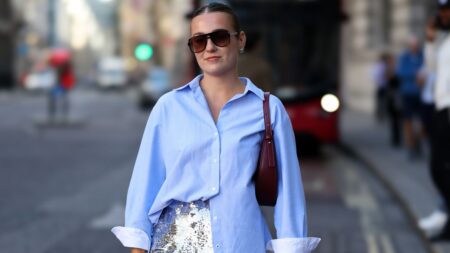




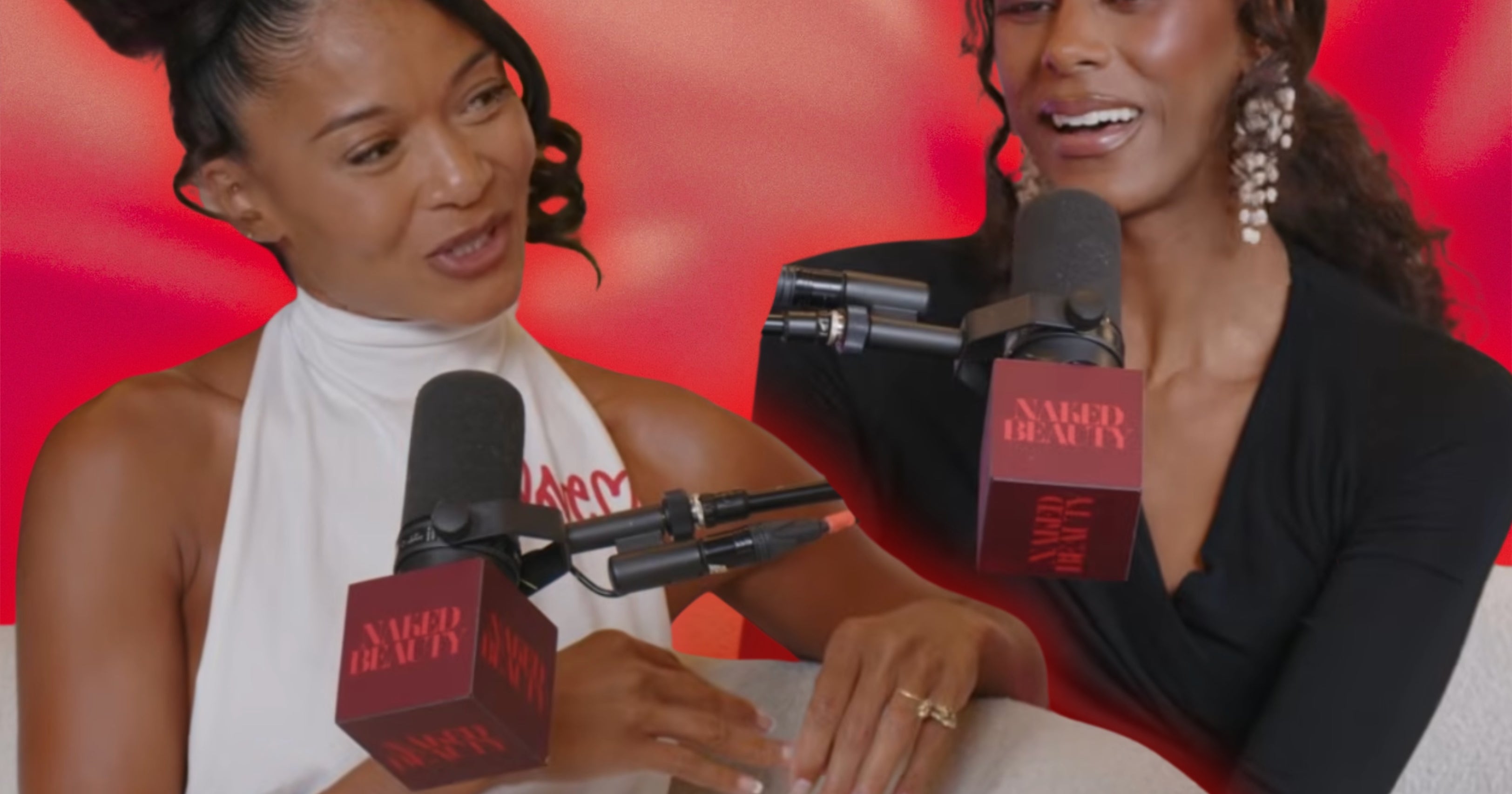
Havilah Unique makes jewelry, furniture, and clothing. The top she wore for her recent podcast interview was one of her own designs. She is also a model, a content creator, and an entrepreneur, and she works under the handle @havilah. Listing the titles takes a while, and that is the point. Her career has never stayed in one lane.
The route to that career was not smooth. Havilah grew up in North Providence, moving in and out of the foster care system, and she took on adult responsibilities while she was still a child. In a conversation for the Naked Beauty podcast, she talked through all of it: the early years, the burnout, the two-year break, and the daily habits she now uses to keep her energy intact.
A childhood that skipped the usual order
Some of the facts of Havilah’s early life are heavy. She was raised apart from some of her siblings. She met her father when she was 26. In elementary school she was diagnosed with ADHD, which means that before she had any say in her own story, she was already being measured against how well she could sit still and follow instructions.
What she describes is a reversal of the usual setup. A diagnosis like ADHD tends to get discussed as a problem to manage, and a childhood spent in foster care tends to get discussed as a deficit. Havilah treats both as raw material. She told the podcast how she learned to channel her symptoms into creative entrepreneurship, so the restlessness that might read as a liability in a classroom became useful once she was running her own projects.
It is not hard to see how that works in practice. Someone who moves between jewelry, furniture, and clothing, and who adds modeling and content creation on top, is someone who gets bored by staying in one medium. For Havilah, the range is not a lack of focus. It is how she works.
What burnout looked like for a person who never stops making things
Havilah was candid about hitting a wall. She realized she was burned out by her own work, and she did something many creative people talk about and few actually do: she stopped. The sabbatical lasted two years.
Two years is a long time to step back from a career built on visibility, especially in a field where posting often counts as being present. She framed the break as a way to center herself, not as a retreat from ambition.
Joy as something you schedule
The most useful part of the conversation is how practical Havilah gets about feeling good. She does not describe joy as a mood that arrives on its own. She describes it as an intentional practice, something she chooses on purpose, repeatedly, and builds habits around.
Those habits are specific. She makes her own hair and body care products, and she walked through those DIY routines in the episode. She also described how she gets ready for a great night out, which she treats as a ritual and not an afterthought. Getting dressed, in her telling, is part of the same creative impulse that produces the furniture and the jewelry. The line between making things and living well is thin.
She also spoke about her sobriety journey and about ceremonial smoking, and she presented both as part of how she protects her energy while continuing to create. The word “protect” matters here. After a burnout serious enough to cost her two years, she treats her energy as something with limits, and she builds her days around guarding it. That is a different way to approach creativity than the old model of pushing through until something breaks.
Protecting energy also means choosing who gets to hear the story. Havilah told hers openly, without polishing the hard parts, and that openness is probably why the episode works. She does not offer a tidy recovery arc. She offers a set of habits and a record of what happened when she ignored her limits.
Two Leos, one long-delayed conversation
The episode has a personal frame, too. Havilah and Brooke first met three years ago, and the podcast was the moment they finally sat down to talk properly. They spend part of the time on what they call being archetypal Leo women, which gives the interview an easy, familiar tone. It plays less like an interview and more like two people picking up a conversation that was overdue.
Their talk lands on creativity and what they describe as the beauty of becoming. That phrase suits Havilah’s story. She has been a designer, a model, a creative director, and a person on a deliberate break, and none of those roles is presented as the final version. She is still in the process of becoming something, and she seems fine with that.
There is also something worth noticing in how a career like hers gets made. Nothing in her early years pointed toward a structured path. Foster care, separation from siblings, and a late meeting with her father gave her little to lean on. She built her own structure, one that included clothing she could wear on camera, furniture she could sit on, and rituals she could repeat on a bad day.
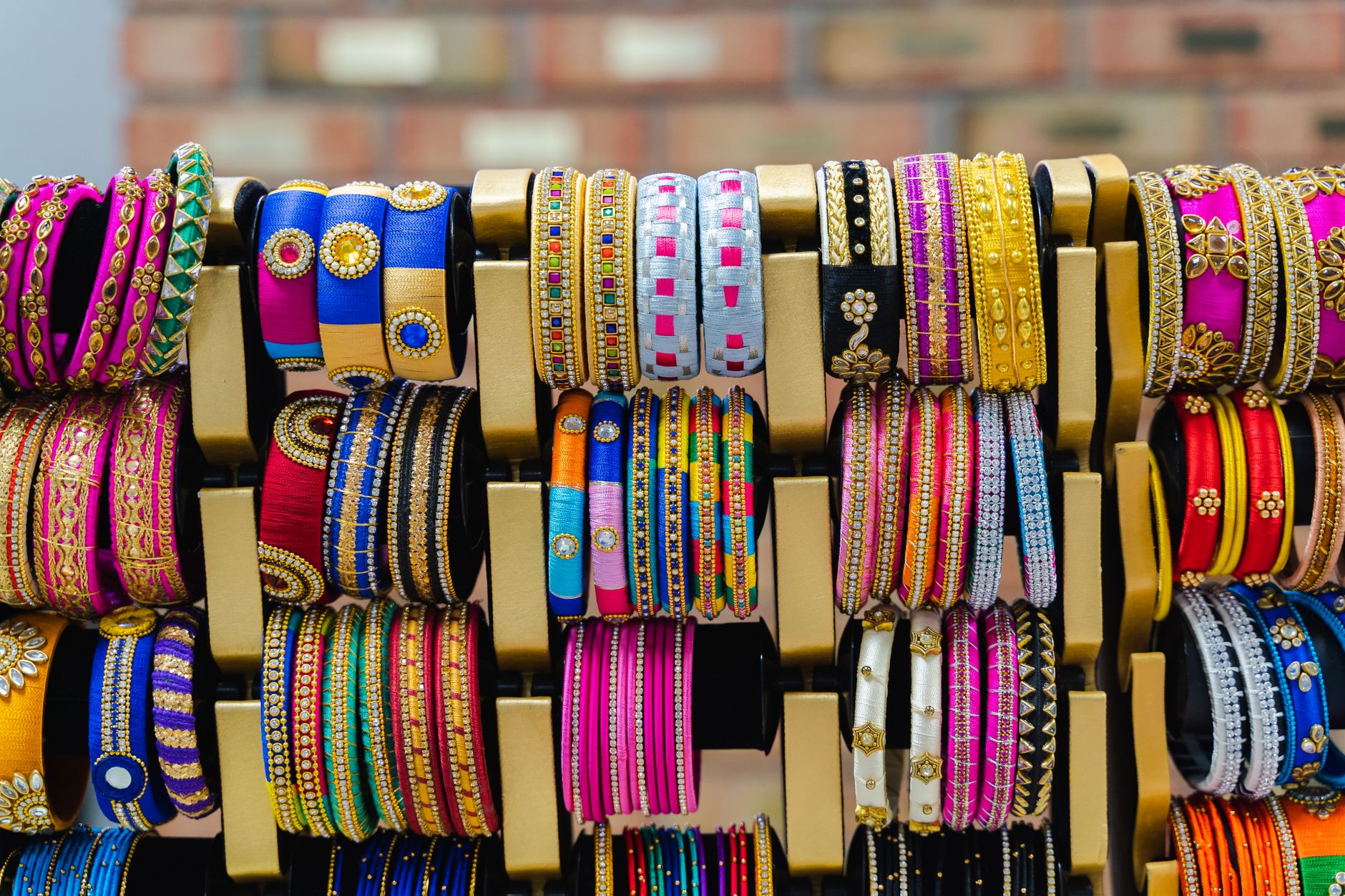
The episode comes with a shop-the-podcast option and a full video version, so viewers can see the top she designed and wore while she talked about all of this.
Which leaves a question for anyone who has worked past the point of enjoying it: what would you make if you gave yourself two years to find out?