




While Spotify boasts over 500 million users and streaming dominates music consumption, a surprising counter-trend is emerging among Gen Z listeners. Young music fans are ditching algorithm-curated playlists and returning to physical CD collections, driven by a desire for intentional listening experiences and authentic music discovery.
The shift represents more than nostalgia for a format many Gen Z listeners never originally experienced. These digital natives are rejecting the endless scroll of streaming platforms in favor of the deliberate act of purchasing, owning, and playing complete albums. The movement spans from bedroom pop enthusiasts hunting for rare indie releases to K-pop fans who view physical albums as essential cultural artifacts.
The Psychology of Physical Ownership
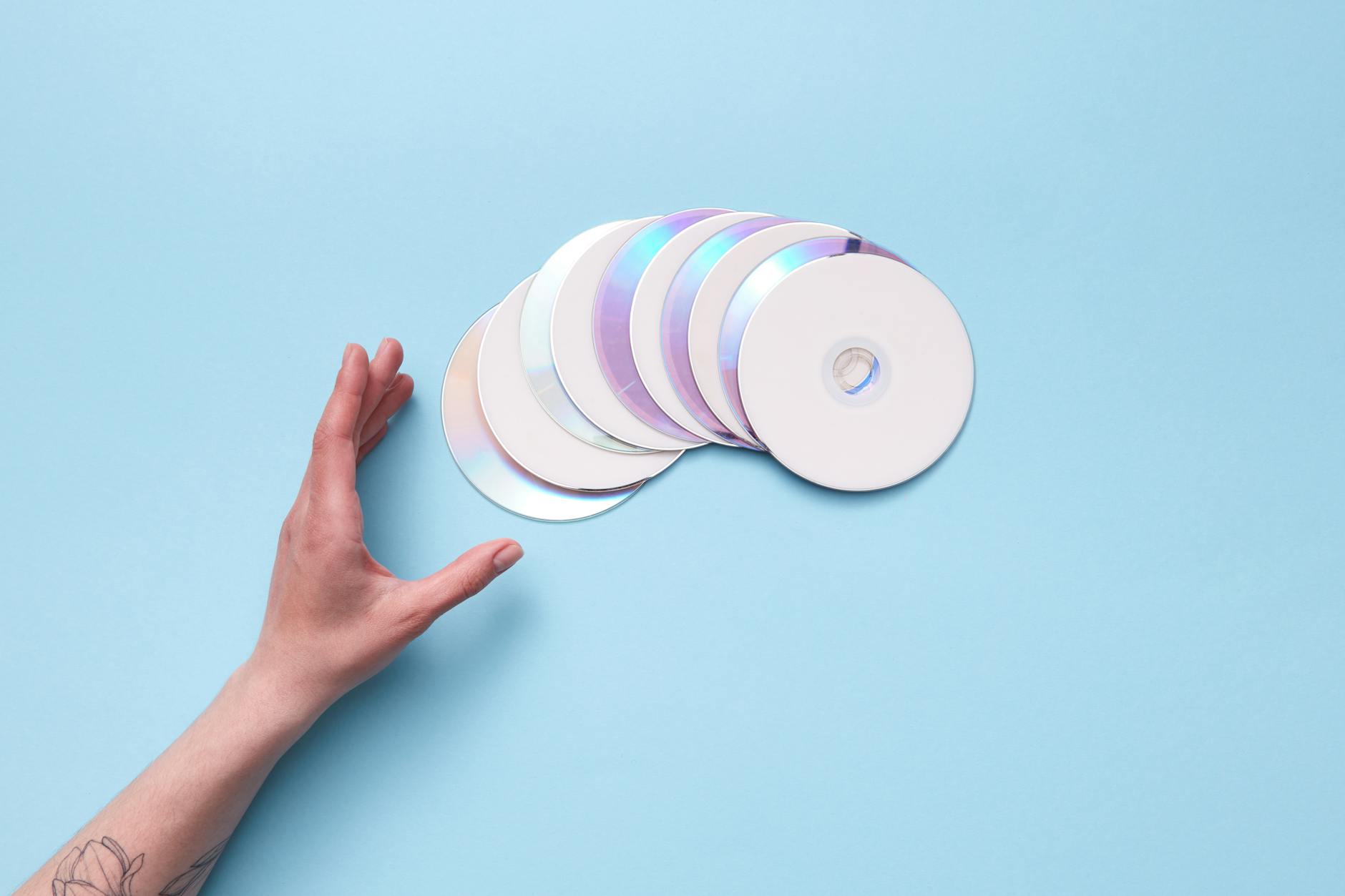
The appeal goes deeper than aesthetic charm. Unlike streaming playlists that shuffle between artists and genres, CDs force listeners to engage with entire albums as artists intended them. This creates what music psychologists call “deep listening” – sustained attention to musical narratives and sonic journeys that get lost in playlist culture.
Physical ownership also provides a sense of permanence that streaming cannot match. When artists remove songs from platforms or licensing disputes cause albums to vanish overnight, CD collectors maintain uninterrupted access to their favorite music. This control becomes particularly valuable for fans of independent or international artists whose catalogs may have limited streaming availability.
The ritual aspect cannot be understated. Opening a CD case, reading liner notes, and manually selecting what to play transforms music consumption from passive background noise into an active, mindful experience. Many Gen Z collectors describe this process as meditative, offering a break from the constant stimulation of digital interfaces.
Where the Hunt Happens
Record stores report unprecedented interest from customers under 25, many visiting physical music retailers for the first time. These young collectors aren’t just buying new releases – they’re digging through used CD bins, seeking out discontinued albums and rare pressings that never made it to streaming platforms.

Online marketplaces have become treasure hunting grounds where Gen Z collectors compete with longtime music enthusiasts for limited releases. The secondary market for certain albums has exploded, with some rare CDs selling for ten times their original retail price.
Beyond Music: The Broader Cultural Statement
This CD revival connects to larger Gen Z attitudes about consumption and authenticity. The same generation driving thrift shopping and vintage fashion is applying similar values to music consumption. Physical CDs represent a rejection of subscription-based ownership models where access can be revoked without warning.
The trend also reflects growing awareness of how streaming algorithms shape musical tastes. Many young listeners report feeling trapped by recommendation systems that create echo chambers, recycling similar sounds rather than introducing genuinely diverse music. Physical album purchases force exploration beyond algorithmic suggestions.
Social media plays an unexpected role in the revival. Gen Z collectors showcase their CD finds on TikTok and Instagram, turning physical music ownership into a form of cultural currency. These posts often generate more engagement than streaming playlist shares, suggesting that physical collections carry greater social weight among young music fans.
The movement challenges assumptions about digital nativity. Despite growing up with streaming services, many Gen Z listeners are discovering that physical formats offer something digital platforms cannot: the satisfaction of curation, the joy of discovery, and the permanence of true ownership. Their CD collections become personal museums of musical moments, immune to corporate decisions or internet connectivity issues.