





The bikini’s reign as summer’s default swimwear choice faces serious competition this season.
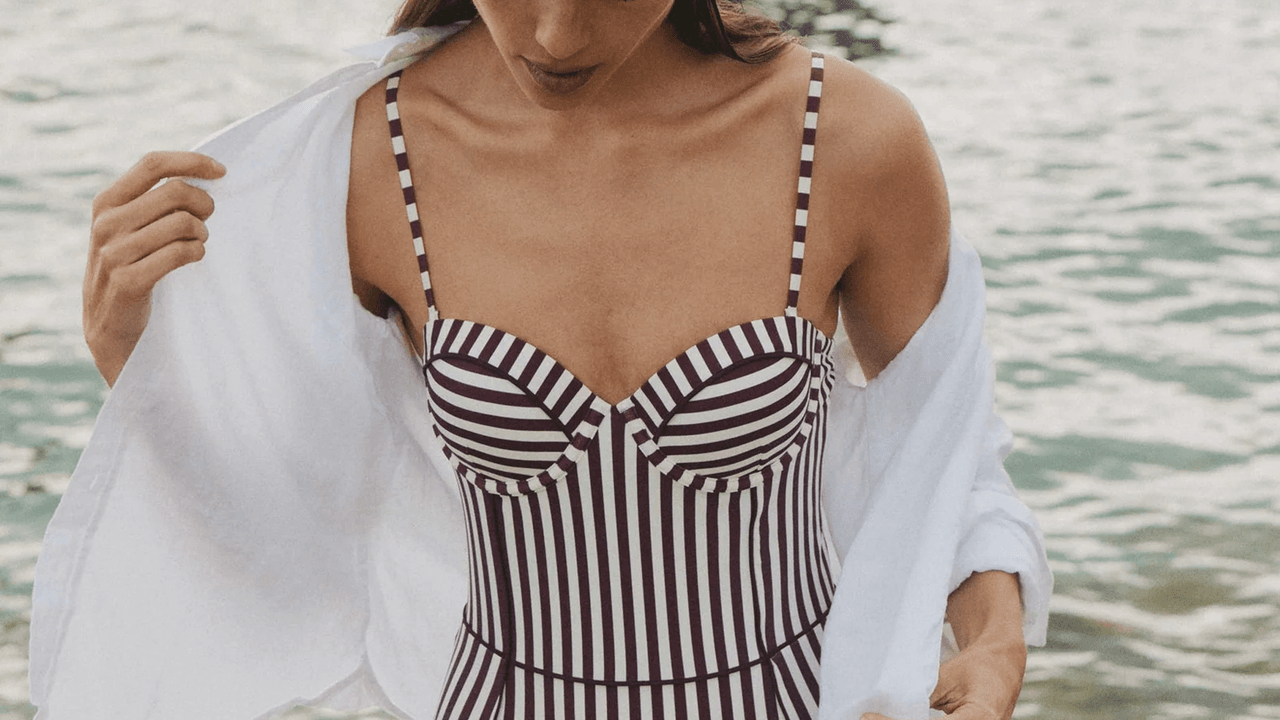
The Return of Full-Coverage Swimming
One-piece swimsuits have shed their reputation as the conservative option. Modern designs deliver sophisticated silhouettes that work for poolside lounging and actual swimming. The current market offers cuts that range from athletic-inspired racer backs to plunging necklines with strategic cutouts.
Tummy control features have evolved beyond basic ruching. Today’s designs incorporate internal shapewear panels, strategic color blocking, and architectural seaming that creates definition without obvious compression. These technical improvements address the most common fit concerns while maintaining comfort during extended wear.
Support for larger busts has become a priority across price points. Built-in bras with underwire, adjustable straps, and reinforced bands provide the structure that separates swimwear from beachwear. Many designs now rival the support levels found in dedicated sports bras.
The fabric technology has advanced significantly. Quick-dry materials, chlorine resistance, and four-way stretch ensure these suits maintain their shape and color through multiple seasons. UV protection ratings of UPF 50+ have become standard rather than premium features.
Design Categories That Define the Market
Athletic-inspired cuts dominate the functional swimwear segment. These designs feature higher necklines, secure straps, and compression fits that stay in place during active water sports. The aesthetic borrows heavily from competitive swimming while incorporating fashion-forward details like mesh panels and color gradients.
Retro-influenced styles draw from multiple decades simultaneously. High-waisted cuts reminiscent of 1950s Hollywood combine with 1980s-style high-cut legs and 1990s minimalist straps. This nostalgic mixing creates fresh silhouettes that feel both familiar and contemporary.
Luxury resort wear represents the premium end of the market. These pieces feature hand-applied embellishments, Italian fabrics, and construction details typically found in evening wear. Price points can exceed $300, positioning these suits as investment pieces rather than seasonal purchases.

Sustainable options have gained significant traction. Brands now use recycled nylon from fishing nets and plastic bottles to create performance fabrics. This eco-conscious manufacturing appeals to consumers who prioritize environmental impact in their purchasing decisions. The quality often matches or exceeds traditional synthetic materials.
Size inclusivity has expanded dramatically. Extended size ranges now go beyond traditional plus-size offerings to include detailed fit specifications for different body proportions. This includes varying torso lengths, bust sizes, and hip measurements within the same style family.
Shopping Considerations Beyond Style
Fit varies dramatically between brands, making size charts essential reading. What reads as a medium in one line might fit like a large in another. Many online retailers now offer detailed measurement guides and fit videos to reduce return rates.
The investment in a quality one-piece pays off over multiple seasons. Higher-priced options typically use superior elastane blends that maintain stretch and recovery. Cheaper alternatives may lose their shape after minimal wear, particularly in chlorinated water.
Will this summer mark the permanent shift away from two-piece dominance, or does the one-piece renaissance represent just another cyclical fashion moment?