





The Fraxel laser doesn’t apologize for what it does to your face. This fractional resurfacing treatment creates thousands of microscopic wounds across the skin, forcing rapid cellular turnover that can erase years of sun damage, acne scars, and fine lines in a matter of weeks.
The Science Behind Controlled Skin Destruction
Fraxel technology operates on a simple principle: strategic damage triggers regeneration. The laser creates columns of thermal injury that penetrate deep into the dermis while leaving surrounding tissue intact. This fractional approach allows the skin to heal faster than traditional ablative lasers that remove entire surface layers. The body responds by producing new collagen and elastin, essentially rebuilding the treated area from the inside out.
Two main Fraxel variants dominate dermatology offices today. The Fraxel Dual combines 1550nm and 1927nm wavelengths to target different skin concerns simultaneously. The 1550nm wavelength penetrates deeper for acne scars and wrinkles, while the 1927nm wavelength focuses on surface pigmentation and sun spots. The newer Fraxel Restore offers similar benefits with potentially less downtime.
Dr. Dendy Engelman, a Manhattan dermatologist, explains that Fraxel works by creating microscopic treatment zones that extend through the epidermis into the dermis. “The laser energy vaporizes tissue in these zones, creating controlled wounds that stimulate the body’s natural healing process,” she notes. This process can continue for months after treatment as new collagen forms.
Treatment intensity varies based on energy settings and coverage patterns. Higher energy levels produce more dramatic results but require longer recovery periods. Most patients need three to five sessions spaced four to six weeks apart to achieve optimal outcomes, though some see improvement after just one treatment.
What Actually Happens During Treatment
The experience begins with thorough skin cleansing and topical numbing cream applied 30 to 60 minutes before treatment. Even with numbing, patients describe the sensation as intense heat punctuated by sharp pinpricks across the treatment area. The laser handpiece moves systematically across the skin, delivering thousands of microscopic beams in overlapping patterns.
Treatment duration depends on the area size. Full face sessions typically last 20 to 30 minutes, while spot treatments for acne scars might take only 10 minutes. The laser produces a distinctive burning smell as it vaporizes tissue, and some patients report feeling each pulse as a rubber band snap followed by deep warmth.
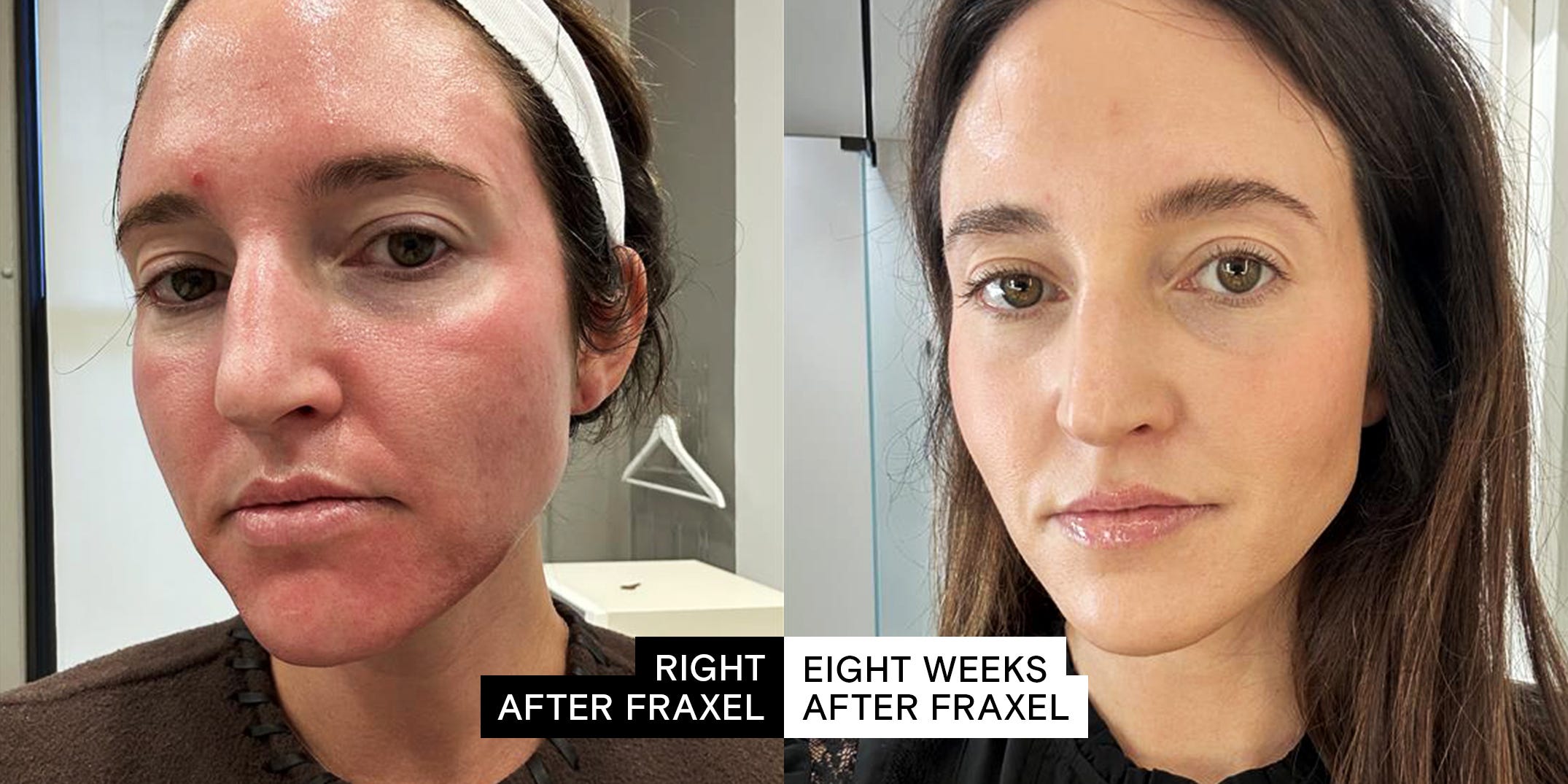
Immediate post-treatment effects include significant redness, swelling, and a sensation similar to severe sunburn. The skin develops a bronze or dark appearance within 24 hours as microscopic eschar forms over the treatment zones. This bronzing effect, particularly noticeable on lighter skin tones, can last three to five days before beginning to peel away in tiny flakes.

Recovery requires strict sun avoidance and diligent moisturizing. Patients must apply healing ointments or recommended moisturizers every few hours for the first week. The skin gradually sheds its damaged outer layers, revealing newer tissue beneath. Most people can return to work after three to five days, though some residual redness may persist for up to two weeks.
Side effects extend beyond typical healing responses in some cases. Temporary hyperpigmentation affects approximately 15% of patients, particularly those with darker skin tones. Rarely, treatments can trigger infections, prolonged redness lasting several months, or permanent scarring if aftercare instructions aren’t followed precisely. These risks increase with higher energy settings and improper post-treatment care.
Results That Justify the Ordeal
Fraxel delivers measurable improvements that become apparent as healing progresses. Acne scars can diminish by 25% to 75% depending on their depth and type. Fine lines around the eyes and mouth often show significant improvement after two to three sessions. Sun damage, age spots, and melasma typically respond well to the 1927nm wavelength, with many patients achieving 50% to 80% pigment reduction.
The treatment’s effectiveness stems from its ability to address multiple skin layers simultaneously. Surface improvements from epidermal renewal become visible within weeks, while deeper dermal remodeling continues for three to six months. Some patients report continued improvement up to a year after their final session as collagen production peaks and stabilizes.
But the question remains whether enduring days of looking like a molting reptile justifies results that good skincare and less aggressive treatments might achieve over time.