



Empire Waists and Adaptation Season
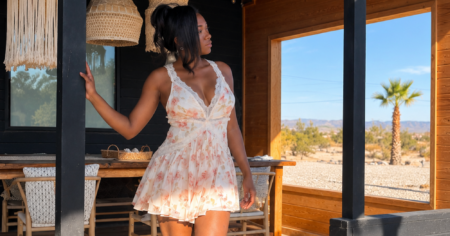
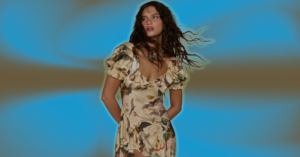
Two major literary adaptations are arriving within the same cultural window – new screen versions of Sense & Sensibility and Pride & Prejudice – and the fashion industry has already moved. Regency-era silhouettes are trending for Fall 2026, pulling directly from the aesthetic grammar of Jane Austen’s world: raised waistlines, soft draping, muted pastoral tones, and the kind of feminine structure that doesn’t rely on a corset to make its point.
This happens every time a beloved period property re-enters the cultural conversation at scale. Costume departments do the research, audiences absorb the visual language across months of press cycles and set photos, and by the time the film actually drops, the mood has already migrated into the way people want to dress. The runway reads the room early. Fall 2026 is simply the room.
What Regency Actually Looked Like – and Why It Translates
The Regency period in Britain roughly spanned 1811 to 1820, the years when the Prince of Wales governed in place of George III. Fashion during that window was a deliberate departure from the architectural excess of the Georgian decades before it – lighter fabrics, higher waists sitting just below the bust, softer shoulders, and silhouettes that fell more naturally against the body. It was, by the standards of its time, almost minimalist. Which is exactly why it keeps coming back.
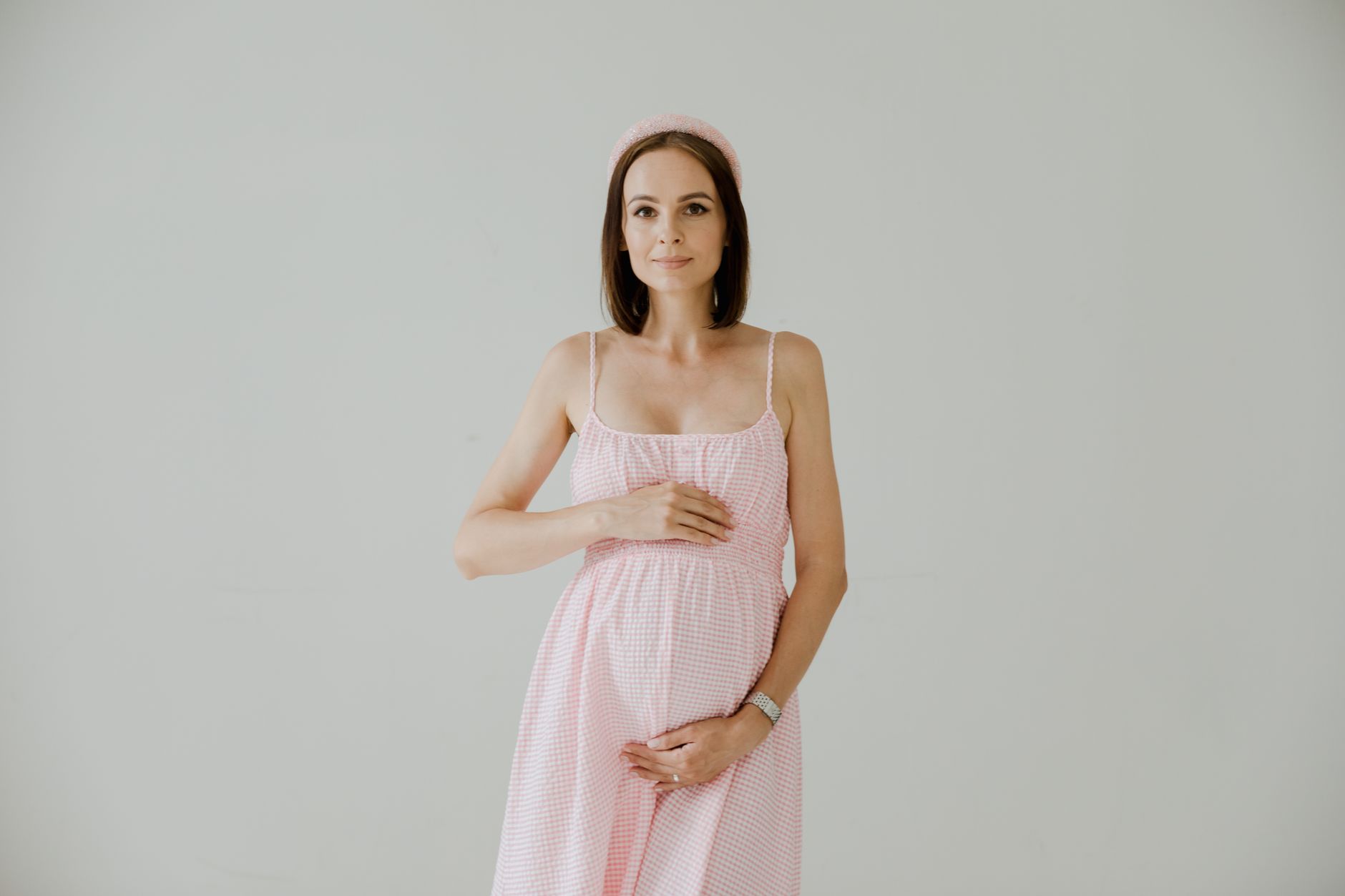
Modern styling draws from that foundation without treating it as a museum exhibit. The empire waist – that defining Regency cut where the waistline sits high and the skirt falls loosely from there – translates naturally into contemporary dresses and blouses without reading as theatrical. Paired with flat or low-heeled footwear, unstructured outerwear, and restrained jewelry, the reference becomes a sensibility rather than a statement. The goal isn’t to look like you stepped off a period drama set. It’s to absorb what made the era’s fashion feel effortless and bring that into clothes that function in an actual week.
Fabric choices carry most of the weight here. Muslin, silk, and light cotton were the period-accurate materials, and their modern equivalents – fluid jersey, washed linen, tissue-weight cotton voile – do the same atmospheric work. When these are cut into empire-waist silhouettes with minimal embellishment, the historical reference lands softly. Add heavy hardware, aggressive tailoring, or loud prints, and the whole effect collapses into something that reads closer to fancy dress than fashion.
The Adaptation Effect and How Fashion Uses It
It’s worth being direct about the mechanism at work. Hollywood adaptations of canonical texts don’t just generate ticket sales – they generate months of sustained visual content. Every costume reveal, every press tour look, every behind-the-scenes image from a Pride & Prejudice or Sense & Sensibility production feeds an aesthetic appetite that brands and designers actively track. By the time the adaptation cycle is in full swing, there’s an enormous volume of Regency-coded imagery circulating, and consumers start wanting to live inside that world, even partially.
Fashion’s response is to extract the most portable elements – the silhouettes, the palette, the texture – and translate them into pieces that carry the feeling without the full costume. That’s the commercial logic. A floor-length muslin gown with puffed sleeves is a costume. An empire-waist midi dress in pale sage with a grosgrain ribbon beneath the bust is something you wear to dinner. The line between the two is thinner than it looks, but it matters enormously to whether a trend actually moves product or just generates editorial coverage that nobody acts on.
Wearing It for Fall 2026 Without Overthinking It
Fall 2026 adds a seasonal layer to the conversation that makes Regency dressing more accessible than its summer incarnations. Heavier fabrics – wool challis, velvet, brushed cotton – naturally ground the silhouette. An empire-waist dress in deep burgundy or forest green worn over a fitted long-sleeve top is both seasonally correct and genuinely contemporary. The layering does the work that accessories might do in warmer months.
The palette matters more than people tend to admit. Regency fashion leaned into soft naturals and muted jewel tones – ivory, sage, dusty rose, navy, slate, and deeper autumnal shades. These translate directly into Fall 2026’s broader color direction, which means Regency pieces won’t clash with the rest of what’s trending. That alignment is part of why the trend is landing now rather than feeling forced into an otherwise unrelated season.
For anyone building from scratch, three entry points work better than most: a high-waisted skirt in a fluid fabric worn with a simple fitted top, a full empire-waist dress kept deliberately unembellished, or – simplest of all – a ribbon-tied or drawstring-gathered blouse that suggests the silhouette without committing to it fully. The babydoll dress revival has already been softening waistlines upward for a year; Regency dressing is, in some respects, where that trajectory logically lands.
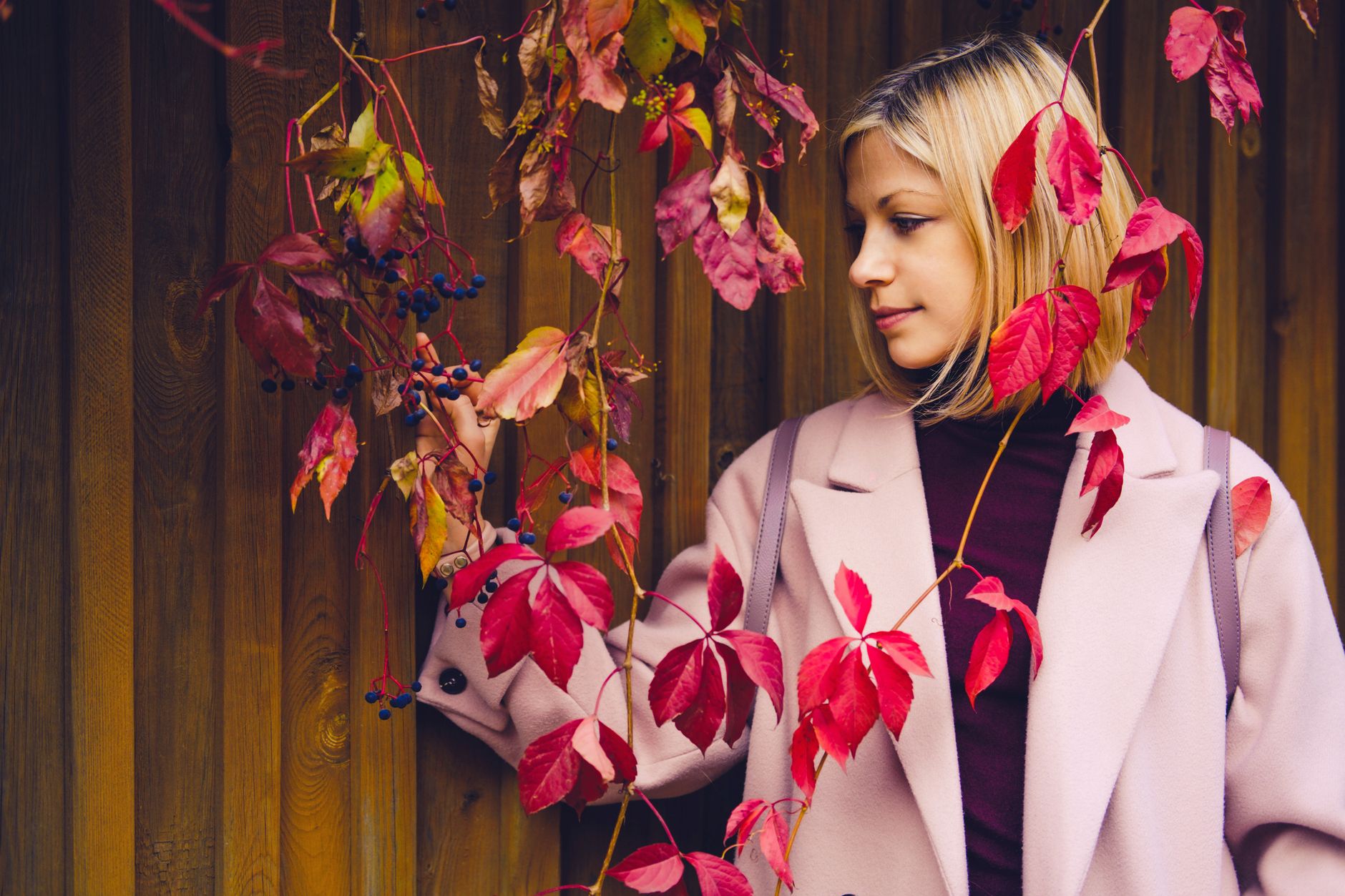
The harder question is whether the two adaptations – Sense & Sensibility and Pride & Prejudice – will actually release close enough together to sustain the trend through Fall 2026 or whether one underperforms and takes the cultural appetite with it. A single disappointing adaptation can flatten an aesthetic trend faster than any counter-movement. The clothes exist. The runway has already committed. Whether audiences show up to validate the reference is a different calculation entirely.