


Transitional dressing is its own art form. Too heavy and you’re sweating through a morning commute; too light and you’re shivering by 4 p.m. The jacket – specifically the fall jacket – sits in that narrow window where practical and interesting actually overlap.
The Classics Are Still Earning Their Place
Some pieces keep returning to the seasonal rotation because they genuinely work. The denim jacket, the trench coat, the leather jacket, and plaid prints haven’t disappeared from fall wardrobes because there’s no real reason for them to. They solve the same problem every year: how to look intentional when the weather hasn’t committed to anything.
The trench coat is the clearest example of a garment that has outlasted every trend cycle that tried to replace it. Damson Madder’s Reversible Longline Jerry Trench takes the format and adds a reversible construction – two coats for one decision, which is either satisfying or anxiety-inducing depending on how you feel about options. The longline silhouette works across both casual and more formal contexts without asking you to choose a lane.
Leather jackets, meanwhile, have gotten a synthetic update at Abercrombie and Fitch, where the West Village Vegan Leather Bomber Jacket brings the same structure without the material sourcing concerns. Bomber cuts have always sat slightly apart from the traditional biker silhouette – softer shoulders, a shorter hem, less aggressive overall – which makes them easier to actually wear on a Tuesday morning rather than just photograph well.
Plaid remains the loudest option in the fall jacket conversation, and that’s not a criticism. A plaid jacket does the pattern work so the rest of the outfit doesn’t have to. Worn over a plain knit or a simple blouse, it reads as deliberate rather than try-hard – the kind of piece that gets complimented at the farmers’ market and then somehow ends up in the same rotation all the way through November.
The Newer Shapes Getting Attention This Season
Beyond the established archetypes, a few directions are picking up real traction this fall. Barn jackets have moved firmly off the farm and into cities, which is either a testament to functional design or a sign that fashion will claim anything with good proportions. J.Crew’s Barn Jacket in Drapey Wool Blend is a good example of how the silhouette translates – the structure is relaxed enough to layer over chunky knits, but the wool blend gives it a finish that works outside of weekend contexts.
Military jackets have been getting a significant push this season, partly driven by celebrity styling. The appeal is obvious: utilitarian pockets, structured shoulders, and a color palette – olive, khaki, deep navy – that pairs naturally with everything fall already puts in circulation. When a jacket style starts appearing across celebrity wardrobes simultaneously, it usually means it’s hit that moment just before mainstream saturation, which means right now is actually a reasonable time to buy in.
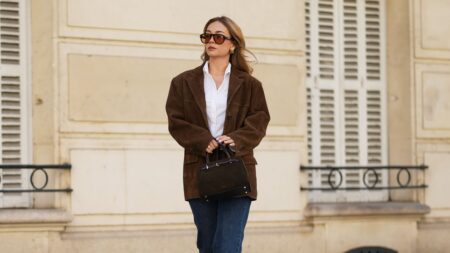
Suede is having a quieter but equally real moment. Rich suede jackets in warm browns and rusted oranges read as seasonal without leaning into the more obvious fall signifiers. The texture catches light differently than leather and drapes more softly, which changes how the jacket sits on the body. It’s a material that rewards wearing in person more than it photographs – which, in an era where most clothing decisions are made through a screen, is both its limitation and its appeal.
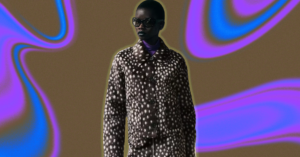
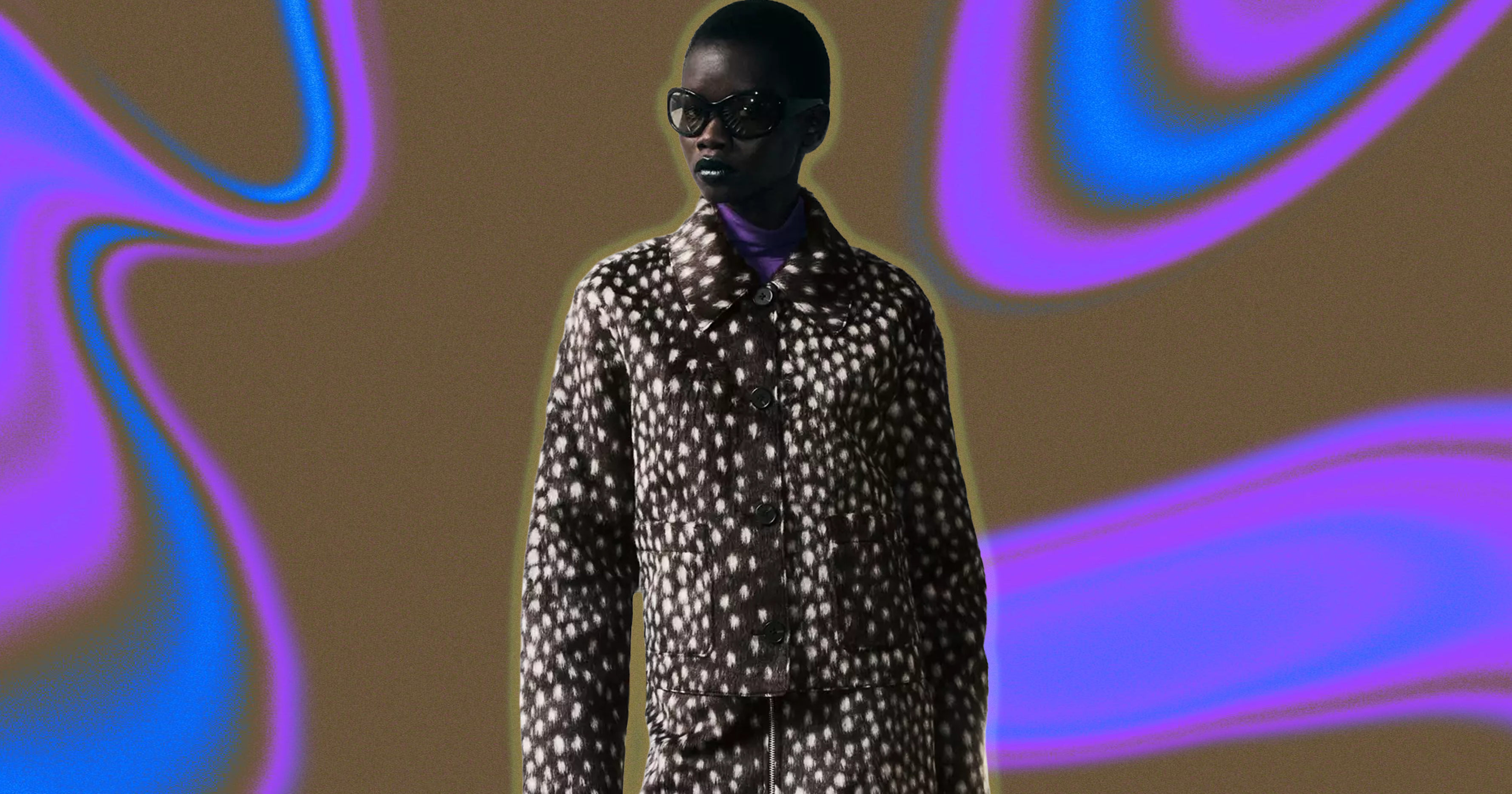
Deer print styles have emerged as the more unexpected option this fall. They sit in that territory between novelty print and something that could actually be worn regularly, which is a harder balance to strike than it sounds. The question with any print jacket is always longevity – whether it’s interesting enough to reach for repeatedly or whether it becomes the piece you wear twice and then relegate to the back of the closet. Deer prints are whimsical without being ironic, which gives them a slightly longer shelf life than trend-forward prints that rely heavily on a cultural moment to land.
Free People’s Cloud Nine Ruffle Band Jacket represents the softer, more romantic end of the fall jacket spectrum. The ruffle detail moves it away from outerwear function and closer to statement layering – it’s less about warmth and more about the silhouette it creates over a dress or wide-leg trouser. Sézane’s Clyde Coat operates in a similar register of considered, slightly elevated design, pulling from the French label’s consistent aesthetic of pieces that feel curated rather than trend-chased.
Where the Shopping Actually Happens
The 24-jacket edit pulls from a range of retailers – Zara, Old Navy, and Anthropologie among them – which matters because fall jacket fatigue often sets in when shopping feels like it requires a specific kind of budget to participate. Old Navy’s presence in the lineup keeps the conversation from skewing entirely toward investment pieces, while Anthropologie and Sézane anchor the higher end. Zara’s Striped Quilted Jacket with Frog Fastenings sits somewhere in the middle, technically accessible but visually specific enough to not feel like a compromise.
As temperatures actually drop rather than just threaten to, the material hierarchy shifts. Wool, fleece, and puffer constructions take over from the lighter options that work in early September. The barn jacket in wool blend and the quilted designs are already positioned for that transition – jackets bought now that won’t immediately feel redundant once November arrives. That’s the actual test of a fall jacket: not whether it works in a curated editorial image, but whether it earns its spot on the hook by the door for three months straight.