




The Obvious Destinations Are Getting Skipped
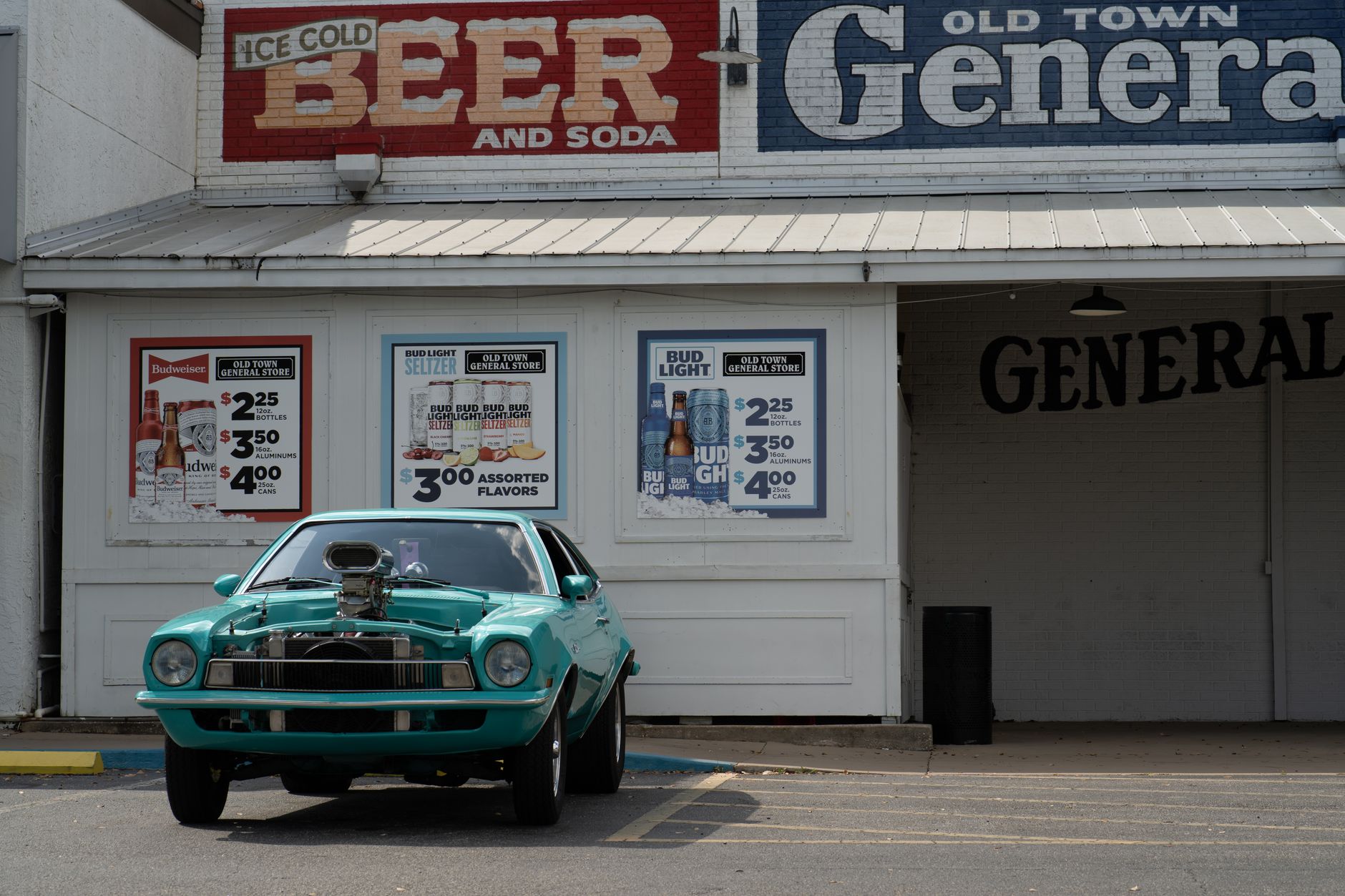
Somewhere between the fifteenth identical Paris Reel and the hundredth Miami rooftop photo, a quiet rebellion started forming in Gen Z travel itineraries. The new objective is not the Eiffel Tower or South Beach – it is Point Pleasant, West Virginia. It is Gibsonton, Florida. It is a California desert town most people could not locate on a map without help. Airbnb has put a name to what younger travelers are already doing: lore-tripping, a style of travel built around small, under-the-radar destinations with layered local histories, regional legends, and attractions that have not yet been replicated across a dozen tourist corridors.
The data behind it is difficult to dismiss. Airbnb surveyed Gen Z travelers and found that 90% of them want to visit small towns and off-the-beaten-path destinations this fall, motivated by lower costs, local culture, and the particular satisfaction of being the first person in their group chat to find somewhere genuinely new. That last part is not a small thing for a generation that grew up watching everywhere get discovered, documented, and saturated in real time.
What Lore-Tripping Actually Means in Practice
The word “lore” is doing a lot of work here, and intentionally so. It nods to internet culture – the deep-dive rabbit holes, the Reddit threads, the TikTok accounts dedicated to regional weirdness – while also pointing toward something more grounded: the idea that a town with a strange history or an unusual identity offers more friction, more texture, and ultimately more memory than a smoothed-out tourist destination that already knows what you want before you arrive.
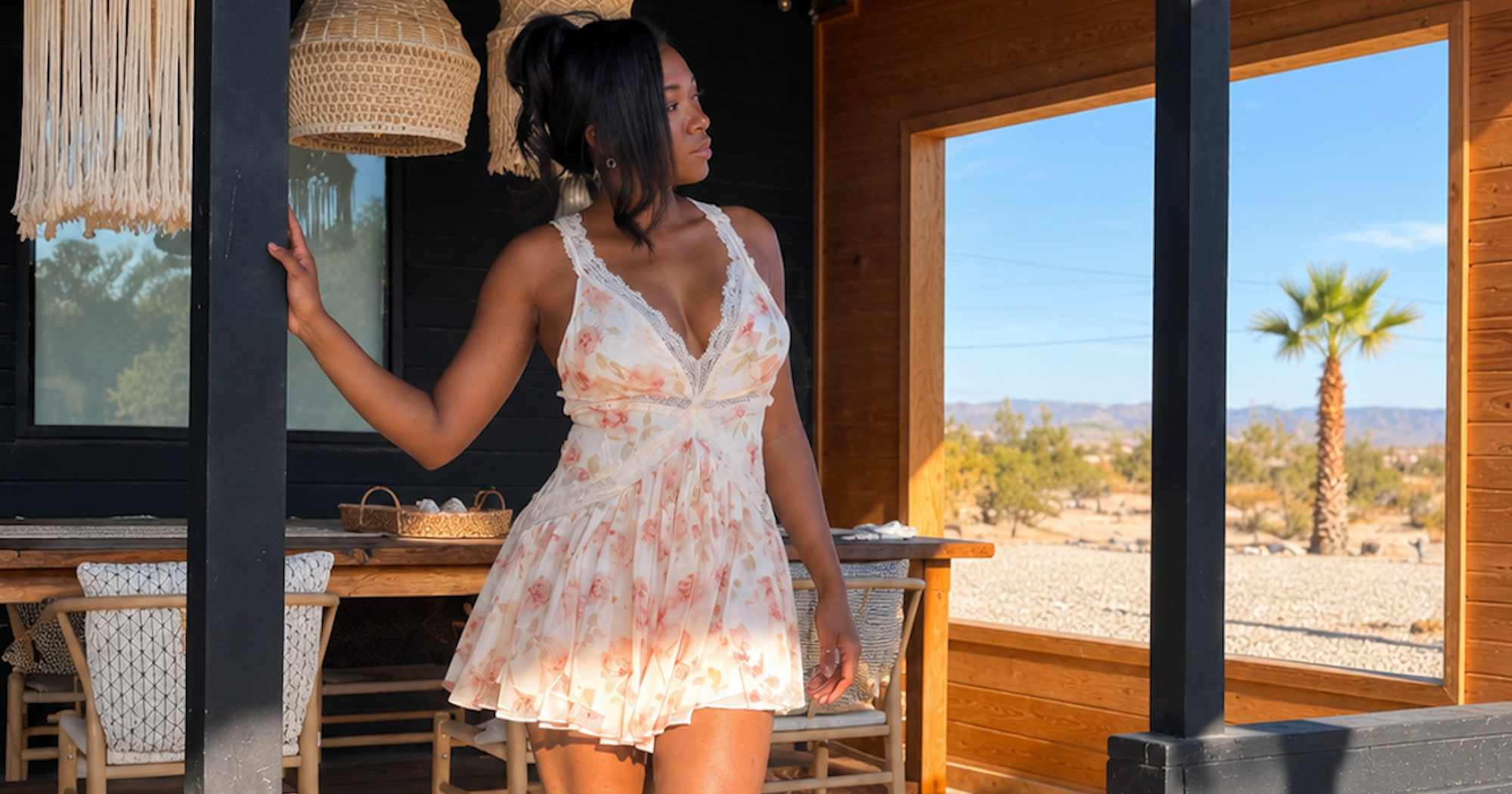
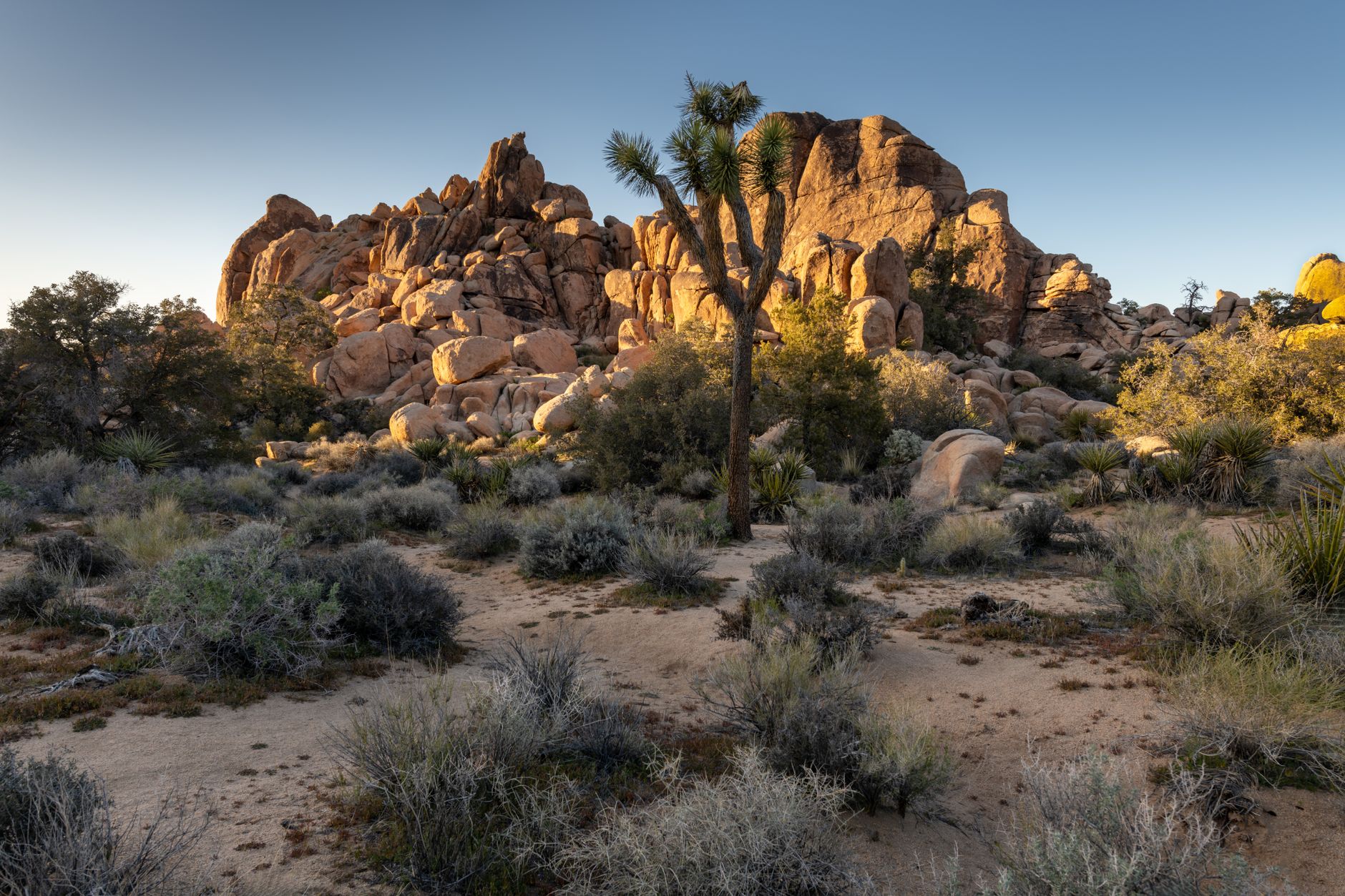
Airbnb’s list of recommended lore-tripping destinations for fall includes Hot Springs, Arizona; Helen, Georgia; Rapid City, South Dakota; Williams, Arizona; Wildwood, New Jersey; Leavenworth, Washington; Bemidji, Minnesota; and Twentynine Palms, California – a Joshua Tree-adjacent desert town that has become something of a test case for the whole concept. Gen Z searches for Twentynine Palms on Airbnb are up more than 50% this fall alone. Airbnb sent a writer to spend a weekend there, and what came back was not a polished brand endorsement but a genuine question: why don’t more trips look like this?
Twentynine Palms sits just outside Joshua Tree National Park, which already draws a certain kind of traveler – desert minimalists, photographers chasing the light, people who want to feel small in a productive way. But the town itself, separate from the park, has its own character: the kind of place that does not perform for visitors because it has not had to yet. That quality – the unperformed, the not-yet-optimized – is exactly what lore-tripping is chasing.
The budget math also makes sense in a way that pure wanderlust rarely does. Smaller towns typically mean cheaper accommodation, fewer tourist-inflated restaurant prices, and the kind of spending that actually stays in a local economy. For Gen Z travelers navigating limited PTO and finite budgets – two constraints that do not disappear just because someone has a long list of countries they want to visit – lore-tripping offers a way to travel more often without stretching finances into uncomfortable territory.
The Destinations Doing the Most Interesting Work
Some of the towns on Airbnb’s list have obvious hooks. Gibsonton, Florida has a documented history as a winter home for circus performers and carnival workers, giving it a backstory strange enough to anchor an entire trip around. Point Pleasant, West Virginia carries the Mothman legend – a creature reportedly sighted in the late 1960s before a local bridge collapsed, killing 46 people – and has leaned into that history with a statue, a museum, and an annual festival. These are not manufactured quirks. They are the residue of actual events, and that distinction matters.
Helen, Georgia is a Bavarian-themed mountain town that emerged in the late 1960s when local business owners, trying to revive a struggling economy, hired an architect who had been stationed in Germany to redesign the entire downtown. The result is a small Appalachian city that looks genuinely Alpine, complete with festivals, bratwurst, and a fachwerkhaus aesthetic that has no right to exist in the Blue Ridge Mountains and yet has been there for over 50 years. Leavenworth, Washington followed a nearly identical playbook around the same era, transforming a dying timber town into a Bavarian village that now draws millions of visitors a year. Strange origin stories, both of them. Exactly the kind of lore that makes a weekend trip feel like it has an actual premise.
Why This Trend Has More Staying Power Than Most
Travel trends tend to collapse under their own popularity. The moment a destination gets tagged enough times, it stops being the thing people were looking for when they found it. Lore-tripping, structurally, resists that cycle – not because it is immune to overexposure, but because the supply of small towns with interesting histories is genuinely large. There is no shortage of places that have been overlooked, that carry something worth knowing about, that offer a weekend with actual edges to it.
The appeal is not purely nostalgic, either. It is practical. A trip to Bemidji, Minnesota – the self-proclaimed birthplace of Paul Bunyan, complete with an 18-foot statue that has stood there since 1937 – costs a fraction of a long-haul international flight. Rapid City, South Dakota sits close enough to Mount Rushmore and the Badlands to anchor several days of movement without requiring much coordination. These are not consolation destinations. They are places that ask you to pay attention differently than a major city does.
What lore-tripping ultimately proposes is that the value of a trip is not proportional to its distance or its recognizability. The 90% of Gen Z travelers who told Airbnb they want to visit somewhere under-the-radar this fall are not settling – they are making a specific choice about what makes travel feel worth it. Whether Twentynine Palms can hold that feeling once search traffic jumps another 50% is a different question entirely.