





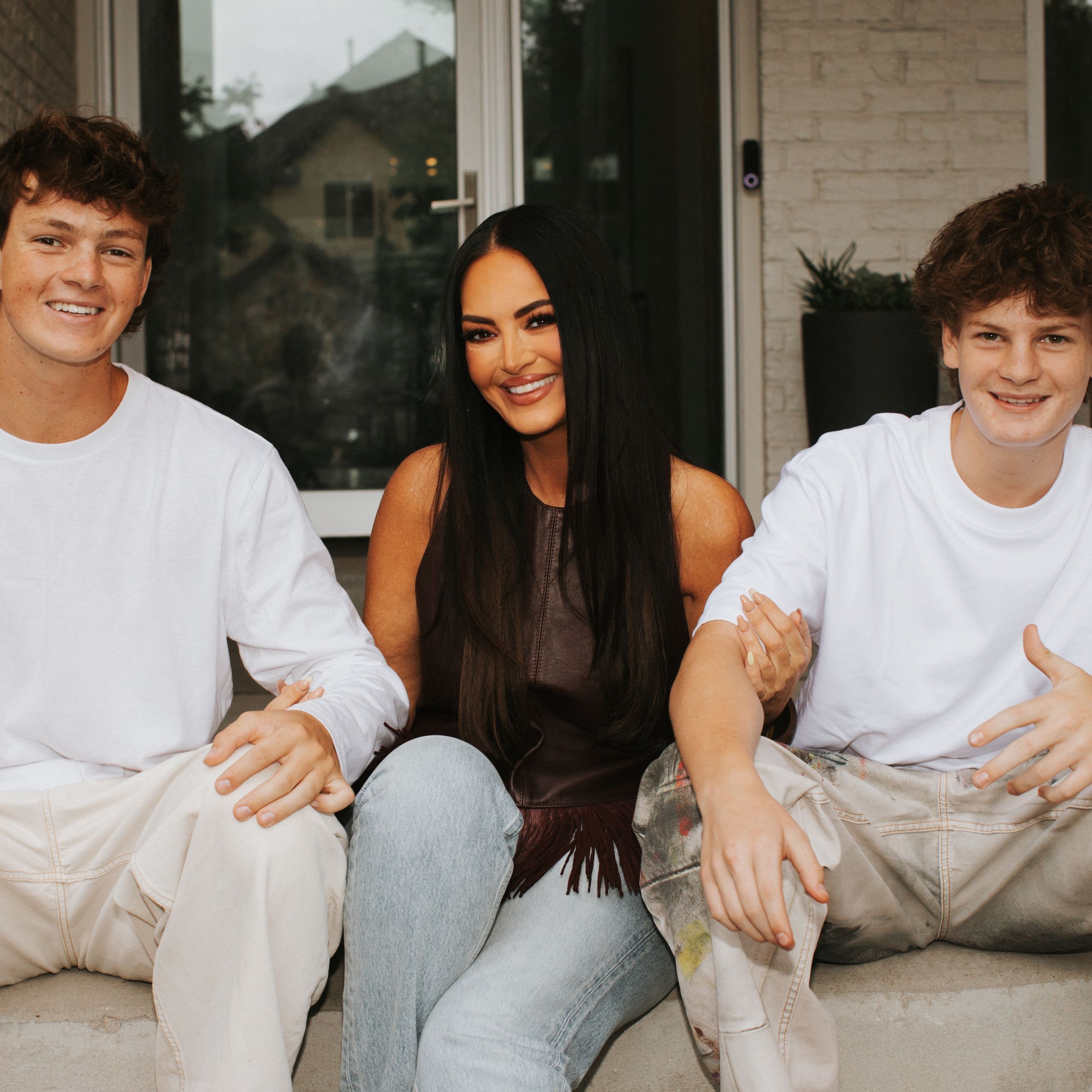
Lisa Barlow, known to millions through The Real Housewives, doesn’t lean on the polished version of motherhood that reality television tends to project. When she talks about raising her two sons, the friction is present, the routines are specific, and the guilt shows up uninvited.

The Reality Behind the Role
Barlow has been candid about the emotional weight that comes with being a working mother in the public eye. Mom guilt – that low-grade, persistent sense that you’re falling short somewhere – isn’t something she treats as a phase to push through. It’s a fixture. Acknowledging it openly is, for her, part of how she manages it at all.
What makes her approach interesting isn’t a philosophy or a framework. It’s the accumulation of small, deliberate choices. The shampoo she repurchases every other week isn’t incidental detail – it signals something about how she thinks about consistency. When the chaos of filming schedules and public life creates unpredictability everywhere else, certain household rituals hold their ground.
Raising two boys inside a life that’s partly lived on camera requires a constant recalibration of what’s private and what isn’t. Barlow has had to draw those lines herself, without a manual. The decisions she makes about what her sons see, what they hear, and how much of their lives becomes content are decisions she’s making in real time.
She’s also navigating something that doesn’t get discussed enough in conversations about celebrity parenting: the gap between how motherhood reads on-screen and how it actually lands at the end of a long day. The version of Lisa Barlow that exists in a confessional booth or at a dinner table surrounded by cameras is one version. The version buying shampoo every two weeks is another.
What This Season of Motherhood Actually Looks Like
Barlow uses the phrase “this season of motherhood” deliberately. It suggests an awareness that her parenting isn’t static – that what works now won’t necessarily hold for the next stage, and that the version of herself she is as a mother today is specific to where her sons are right now. That kind of temporal honesty is rarer than it sounds.
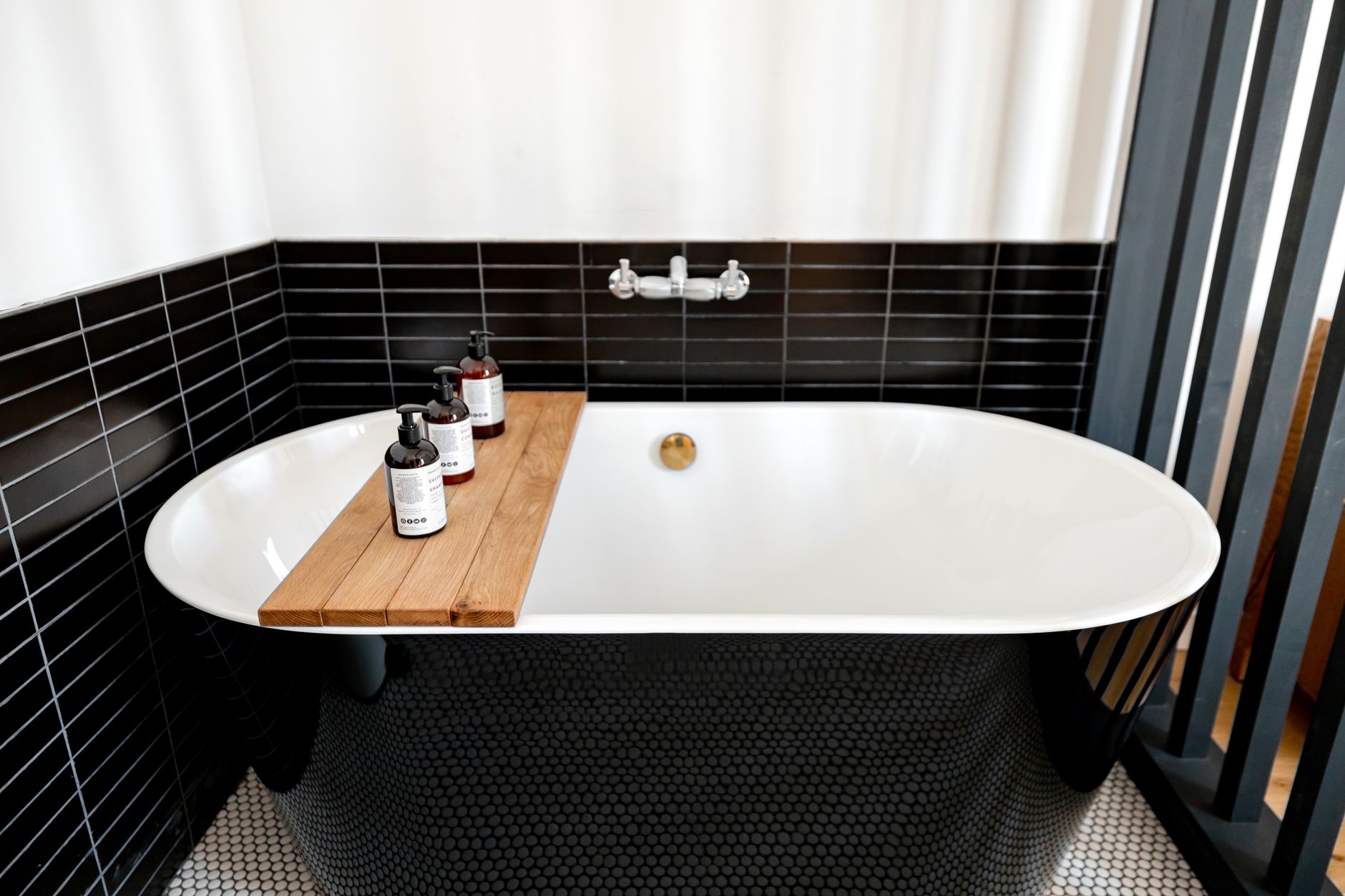
The practical side of her life as a mom is grounded in routine maintenance. The shampoo she buys every other week is a small but telling example of how she keeps her household functioning while everything else moves fast. It’s the kind of purchase that doesn’t make headlines but keeps showing up in the cart, week after week, because someone always needs it. Two boys will do that.
Mom guilt for Barlow doesn’t appear to stem from any single failure. It’s the ambient kind – the feeling that time is being divided incorrectly, that the job of filming and promoting and showing up publicly is borrowing hours that should belong somewhere else. That tension doesn’t resolve itself cleanly for anyone who lives it. She’s not suggesting it does.
There’s also something specific about parenting sons that she’s navigating with clear intention. Boys who grow up watching their mother work publicly, argue on television, and maintain a business life alongside a family life are absorbing something about what women do and how they operate under pressure. Barlow seems aware that she’s modeling something, even when she’s not trying to.
The products and routines she gravitates toward aren’t really the point. They’re markers of a life that has to keep moving. A shampoo repurchase every other week is, in its own way, a small act of keeping something constant. When you’re a Real Housewives cast member with two kids and a schedule that doesn’t follow school holidays, consistency in the small things isn’t trivial – it’s structural.
Guilt, Routine, and the Things That Hold
What Barlow is describing, across all of it, is a motherhood that refuses to be idealized. The guilt stays. The shampoo gets replaced. The boys keep growing through a version of childhood that includes a famous parent and all the complicated texture that brings with it. None of it is perfectly managed.
She’s currently in it – not reflecting from a comfortable distance. Her sons are at ages where the daily work of parenting is still dense and present, and the question of whether she’s getting it right is one she’s still actively sitting with. Does the guilt ever actually go quiet, or does it just change shape as the kids do?