




A Period Drama Reference That Found Its Way Into 2024 Salons
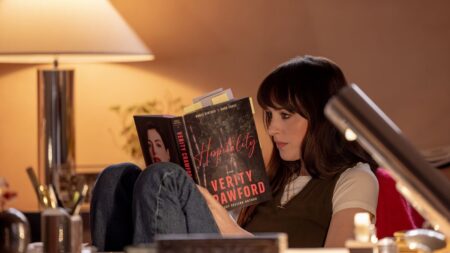
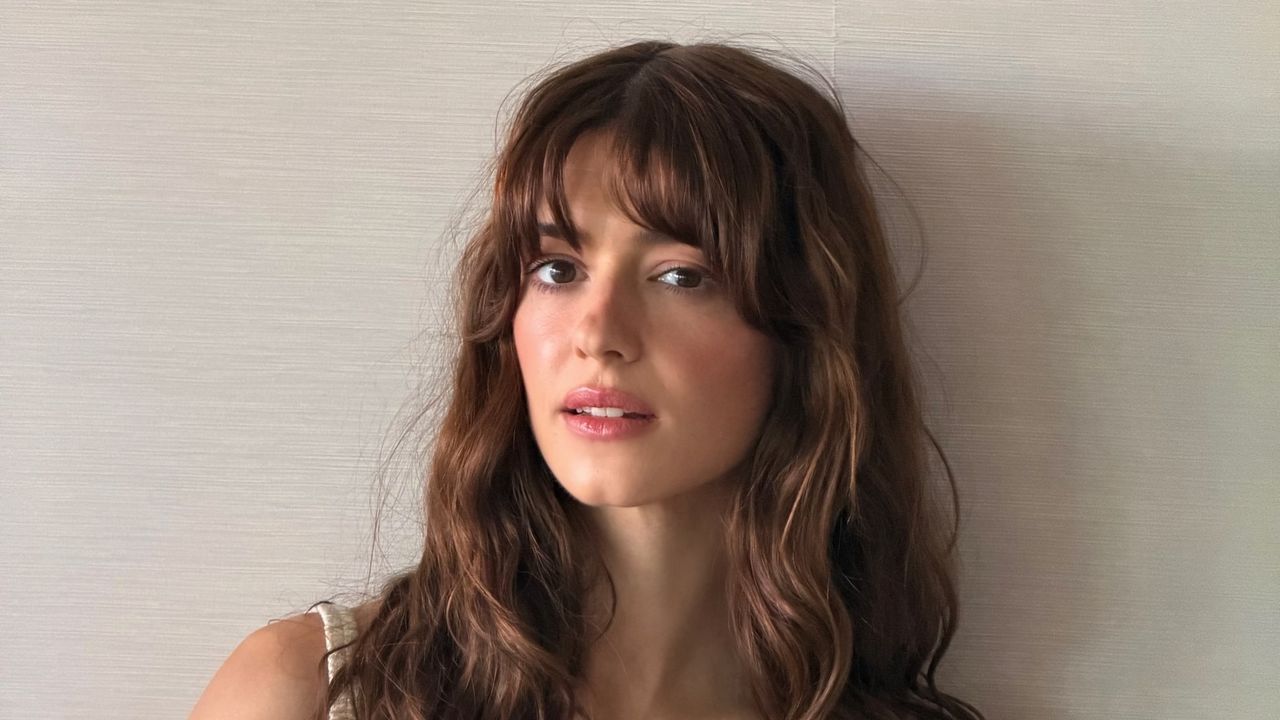
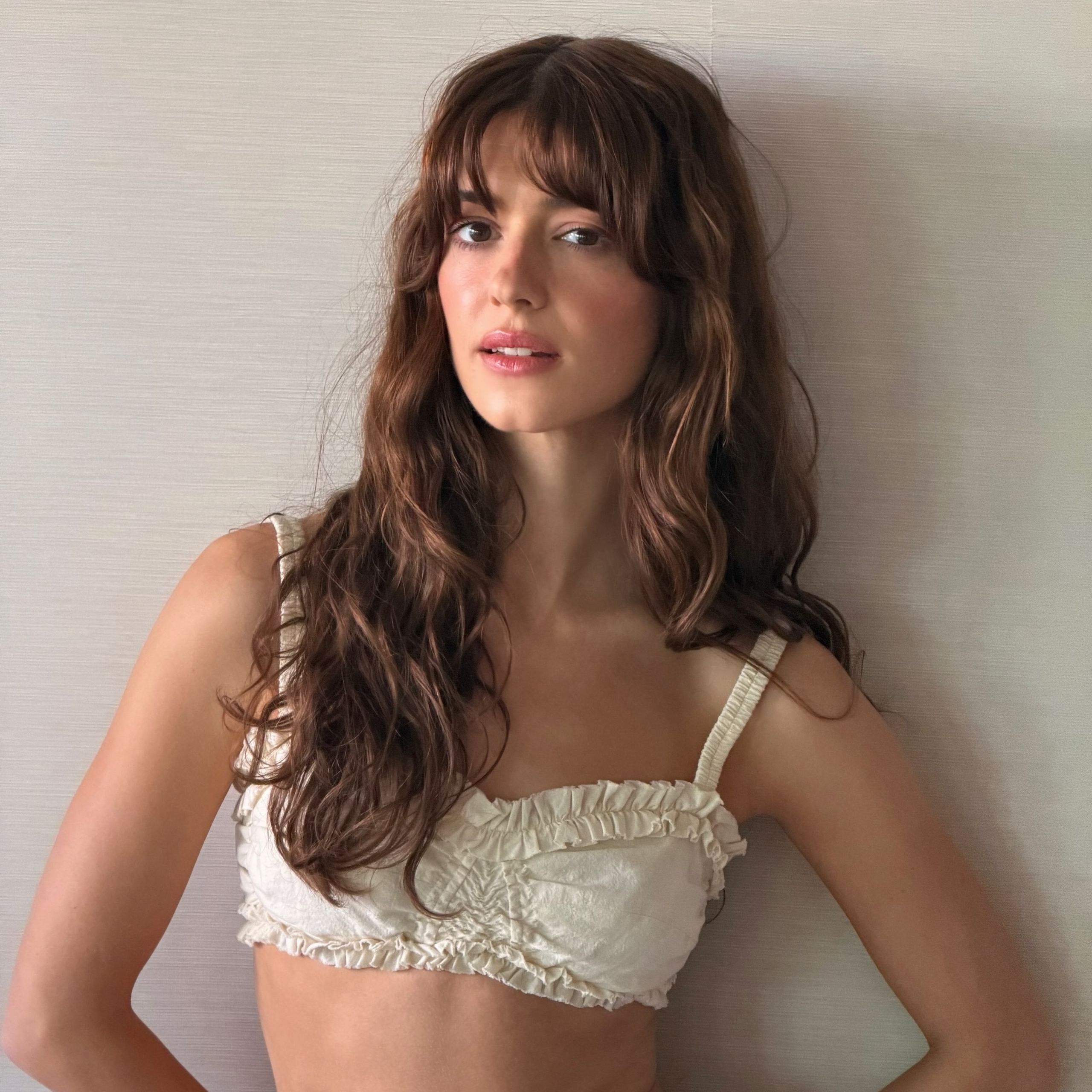
There is something specific happening in hair right now, and Daisy Edgar-Jones is at the center of it. The actress, known for Normal People, Fresh, and most recently Twisters, has been photographed repeatedly this season with a soft, face-framing cut that sits somewhere between a modern shag and a Regency-era heroine – and the internet has named it accordingly. The “Elinor haircut,” a nod to Elinor Dashwood from Jane Austen’s Sense and Sensibility, is now a real thing people are bringing into salons.
That the name stuck says something interesting about where pop culture and beauty are colliding this fall. It is not just a celebrity haircut being circulated. It is a haircut with a literary alias, carried by an actress whose public image already sits close to that quiet, composed, emotionally intelligent archetype Austen built Elinor around.
What the Cut Actually Is
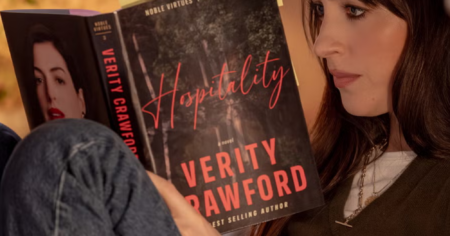
Strip away the Austen mythology and the Elinor haircut is, structurally, a medium-length style with soft layers and curtain-style framing around the face. It does not require extreme texture or a dramatic chop. The weight stays relatively intact while the layers give it movement – which is part of why it works on a wide range of hair types. It reads as effortless without actually being low-maintenance, a distinction that matters when you are deciding whether to commit to something that will require regular trims to hold its shape.
Edgar-Jones wears it with a natural finish, no aggressive blowout, no glass-smooth styling. That deliberate undone quality is doing a lot of work. It signals approachability while still looking considered, which mirrors exactly what stylists have been pushing clients toward as a counter to the hyper-polished looks that dominated the early 2020s. The cut leans into the wearer’s natural texture rather than fighting it, and that is a meaningful shift from where mainstream celebrity hair styling was even two or three years ago.
The Jane Austen connection is not purely aesthetic either. Elinor Dashwood is the restrained sister – the one who processes everything internally, who carries grief and disappointment with composure, who is practical without being cold. Naming a haircut after her is a small cultural choice that tells you something about the mood people are dressing toward this fall. There is fatigue with maximalism, with loud statements, with the performative excess that defined a lot of post-pandemic style energy. The Elinor haircut is, in that sense, a reaction.
Why Edgar-Jones Specifically
Edgar-Jones is not the first actress to inspire a named haircut, and the mechanics of how this happens are fairly consistent – a recognizable face, a style moment that photographs well across multiple appearances, and a cultural window that makes the timing feel right. What is slightly different here is how neatly her public persona reinforces the reference. She does not play loud characters. Her breakout role in Normal People was built on interiority and restraint. Even in Twisters, a film that is fundamentally about scale and spectacle, her character operates from a position of deliberate calm under pressure.
That consistency between her on-screen work and her off-screen presentation makes the haircut feel like a natural extension rather than a branding accident. Audiences are not just copying a cut they saw on a red carpet. They are reaching toward something the actress represents – a specific register of femininity that is thoughtful, slightly literary, and not performing for the back row.
The Fall Timing Is Not Incidental
Autumn has its own aesthetic logic. There is a reason certain looks – reading-corner cardigans, warm-toned makeup, anything that evokes old books or early dusk – gain traction once September arrives. The Elinor haircut fits cleanly into that seasonal shift. It is a style that looks better in natural autumn light than under summer sun. The softness of the layers reads differently when you are wearing a coat.
Salon search data consistently shows a spike in appointment bookings for textured, mid-length cuts in the September-to-November window. Whether that is driven by celebrities or simply by the psychological reset that fall tends to trigger is difficult to separate cleanly. What is clear is that Edgar-Jones gave this particular version of the trend a name and a face at exactly the right moment in the calendar.
The Austen angle also plays into a longer-running appetite for period drama aesthetics that has not fully cooled since Bridgerton and its spinoffs started rewiring what Regency-era style means to a contemporary audience. That franchise made Georgian and Regency visual references feel current rather than archival, and it opened a door for other period-adjacent aesthetics to enter everyday fashion and beauty conversation without feeling costumed or ironic.
What Edgar-Jones is doing, whether deliberately or not, is occupying a space between the romanticism of that period drama wave and something more grounded and wearable. The Elinor haircut does not look like you arrived from a BBC production. It looks like someone who has read Austen and absorbed the sensibility without needing to announce it. That is a harder balance to strike than it sounds, and it is probably why the name landed so quickly when people started reaching for language to describe what they were seeing.

Edgar-Jones is currently one of the more photographed young actresses working, with Twisters having put her squarely into mainstream blockbuster territory after years of building a reputation in smaller, more intense work. Her hair is going to be photographed regardless. The fact that one particular version of it has generated this specific cultural shorthand – complete with a 19th-century literary character attached – is either a remarkable coincidence or proof that the right face at the right moment can make almost anything feel inevitable.
The more interesting question might be what happens when the look gets diluted through mass adoption, which it will. Curtain bangs went from niche reference to salon menu item to ubiquitous in about eighteen months. The Elinor haircut is already trending. By the time it peaks, will it still carry any of the restraint and quietness that made the name feel accurate in the first place?