




The Gap Between What’s Marketed and What Works
Hair-thickening products line every pharmacy shelf and flood every algorithm, but the advice coming from trichologists – specialists who study the scalp and hair – cuts through most of it fast.
Understanding What “Thick Hair” Actually Means
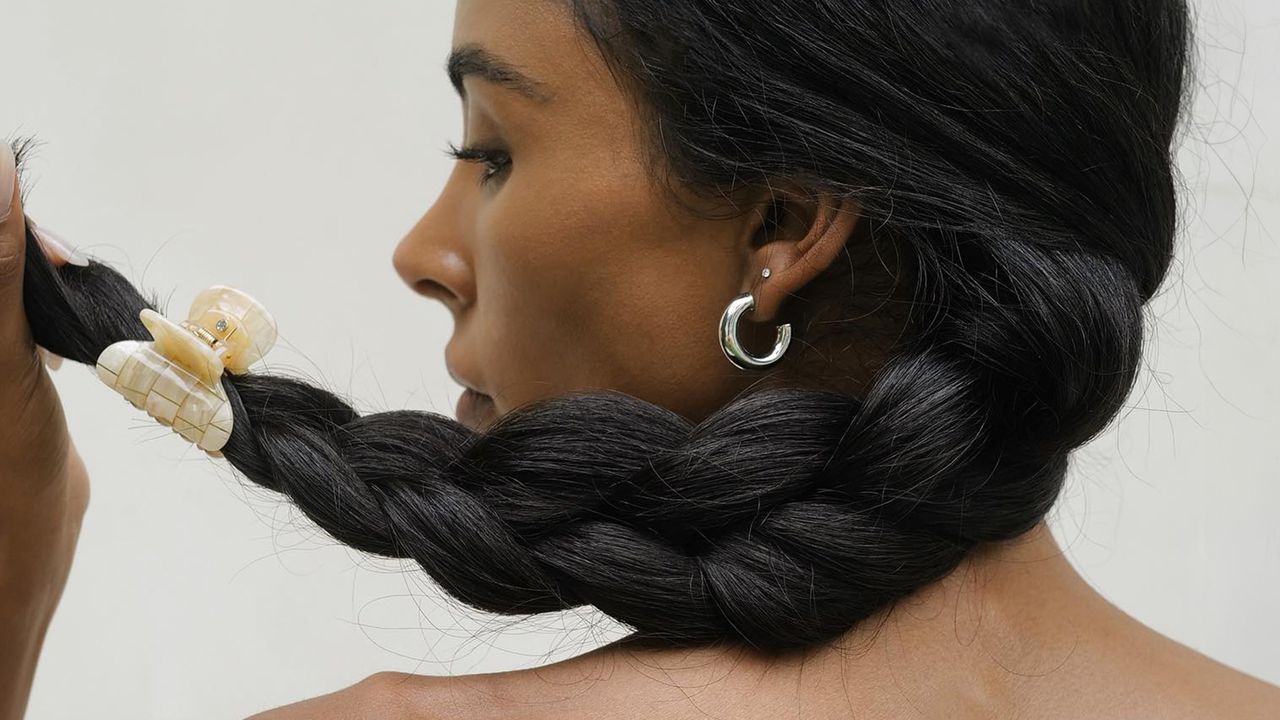
Before buying anything, it helps to know what you’re dealing with. Hair thickness refers to two distinct things: the diameter of each individual strand, and the density of strands across your scalp. A product or routine that addresses one doesn’t automatically help the other. Someone with fine but dense hair has a completely different situation than someone with thick strands but significant shedding – and treating them the same way is where most at-home approaches go wrong.
Trichologists draw a hard line between hair that appears thinner because of damage versus hair that’s thinning because of loss. Breakage, heat damage, and over-processing can make healthy follicles produce strands that snap before they reach any real length, creating the illusion of thinness. Actual hair loss – where follicles shrink or stop producing – is a separate biological process, and the fixes are correspondingly different.
Scalp health is where most specialists start. The follicle lives in the scalp, and the condition of the scalp directly affects how well each follicle can function. Buildup from dry shampoo, heavy oils, or product residue can clog follicles and interfere with normal growth cycles. Regular scalp exfoliation – either physical, with a brush or scrub, or chemical, with salicylic or glycolic acid formulas – keeps the follicular environment clear.
Scalp massage has the most evidence behind it for at-home use. A 2016 study found that four minutes of daily scalp massage over 24 weeks produced measurable increases in hair thickness. The mechanism is increased blood circulation to the follicles, which delivers more oxygen and nutrients. This is the category of advice that costs nothing and has real data behind it.
Ingredients That Do Something, and Products That Don’t
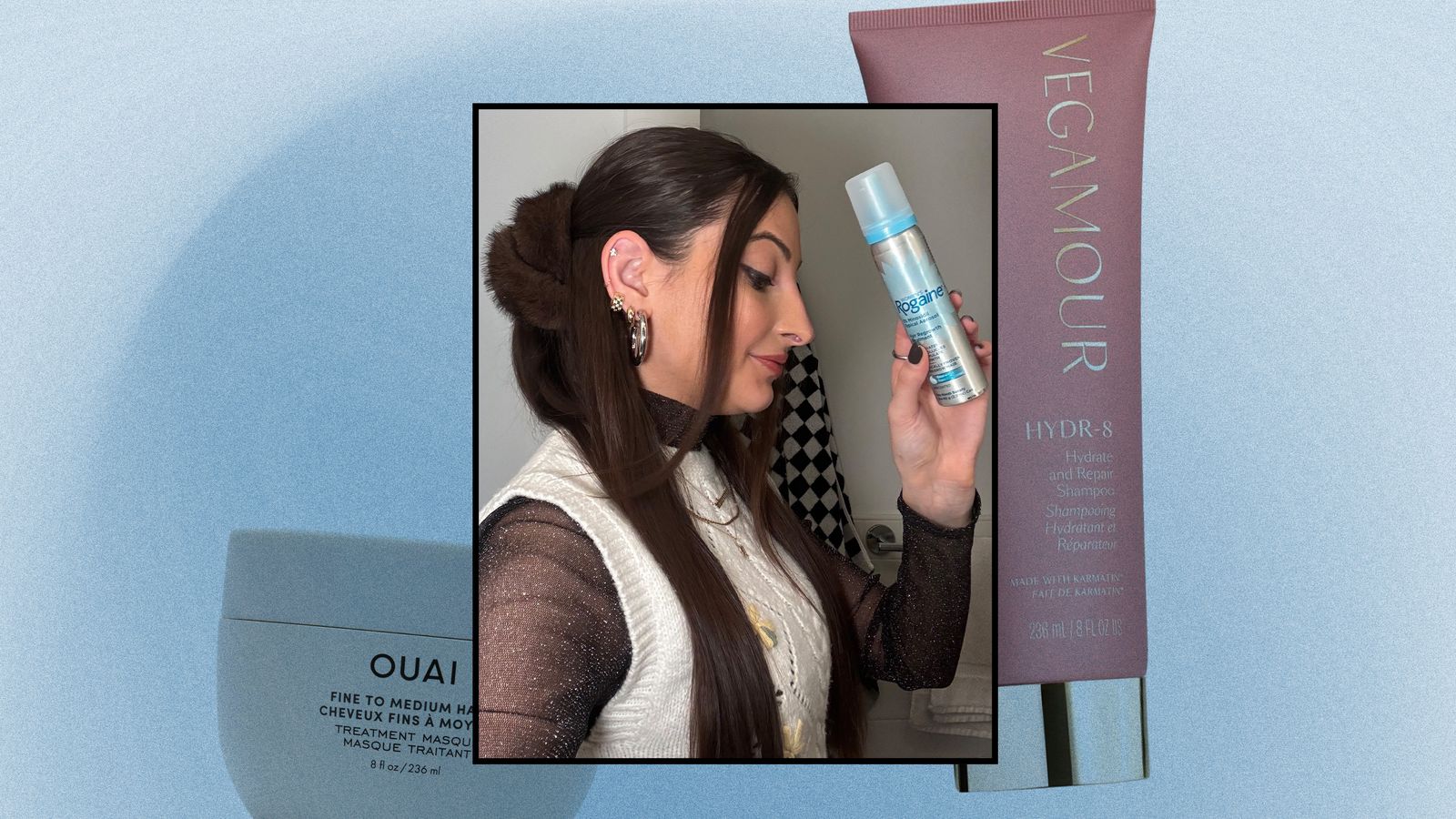
Minoxidil is the most studied topical treatment for thinning hair. Originally developed as a blood pressure medication, it was observed to cause hair growth as a side effect, and a 2-percent and 5-percent topical solution has since been FDA-approved for hair loss. It works by prolonging the anagen – or growth – phase of the hair cycle and increasing follicle size. Results typically take four to six months to become visible, and stopping use causes any gained hair to shed within a few months. That dependency is real, and trichologists are upfront about it.
Biotin is the supplement most associated with hair in the consumer market, and it has a more complicated track record than its marketing suggests. Biotin deficiency does cause hair loss, and correcting a deficiency does restore growth – but biotin deficiency is genuinely rare. For people with normal biotin levels, supplementing further has not been shown in studies to produce additional thickness or growth. Most trichologists will say the same thing: if you’re eating a reasonably balanced diet, the biotin supplement is expensive urine.
Protein matters more than most people account for. Hair is made primarily of keratin, a protein, and diets low in protein can directly affect hair quality and growth. Iron deficiency is another frequent driver of thinning, particularly in women who menstruate, and ferritin levels specifically – the stored form of iron – can affect hair growth even when standard iron levels test normal. Getting bloodwork done before spending on supplements is a more efficient approach than guessing.
Topical caffeine has emerged as a genuinely interesting ingredient. Studies suggest it may counteract the effects of DHT – the hormone responsible for androgenetic alopecia, or pattern hair loss – at the follicle level. It’s not a replacement for minoxidil in cases of significant hair loss, but as a daily-use shampoo or serum ingredient, the early research is more supportive than dismissive. Several dermatologist-developed lines have incorporated it for that reason.
Rosemary oil keeps appearing in trichologist-approved ingredient lists because a 2015 study compared it directly to 2-percent minoxidil for six months and found comparable results in hair count. It’s not suitable for everyone – scalp sensitivity varies – but for people who want to avoid minoxidil’s dependency or potential side effects, rosemary oil applied consistently is one of the few natural alternatives with actual comparative data behind it. The operative word is consistently: occasional use produces nothing measurable.
Habits That Accelerate Loss Without People Realizing
Tight hairstyles cause a well-documented form of hair loss called traction alopecia, which starts as temporary shedding at the hairline and temples but can become permanent if the tension is sustained over years. Braids, high ponytails, weaves, and extensions all generate this risk if worn tightly and continuously. The hair loss from traction alopecia is mechanical, not hormonal – which means it’s reversible early and irreversible late, with little in between.
Heat tools are the other category worth taking seriously. The damage from flat irons and curling wands operating above 400 degrees Fahrenheit is structural – it breaks the disulfide bonds in the hair shaft, making strands permanently more fragile. A heat protectant reduces but does not eliminate this. For anyone trying to increase thickness, reducing heat tool frequency is more effective than adding any thickening product on top of continued damage. The math on that is straightforward: you cannot build thickness faster than you’re destroying it.