




K-Beauty Is Not a Trend Anymore – It’s the Standard
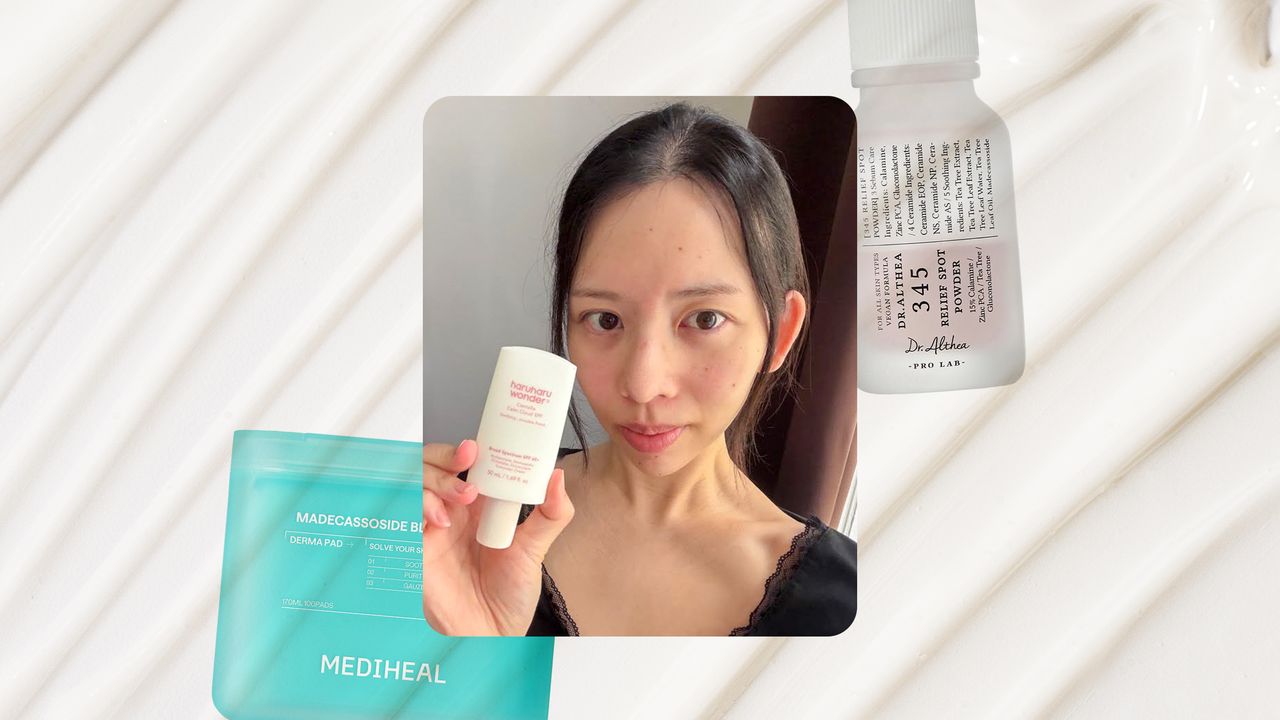
Korean skin care has spent the better part of a decade moving from niche internet obsession to mainstream bathroom shelf staple. What started as curiosity about 10-step routines and sheet masks has matured into something more discerning: people now want to know exactly which products are worth buying, not just which ones photograph well in flat lays. Glamour’s editors, along with dermatologists and K-beauty specialists, have tested and reviewed the 10 best Korean skin care products heading into 2026 – and the list reflects how far the category has come from its novelty phase.
This isn’t a round-up built on brand prestige or packaging aesthetics. Every product that made the cut was evaluated by people who know what they’re looking at – medical professionals who understand skin biology and editors who’ve tested enough moisturizers to have actual opinions. That combination of clinical knowledge and real-world use is what separates a credible recommendation from a sponsored suggestion dressed up as editorial.
Why Dermatologist and Editor Validation Actually Matters Here
K-beauty has always had a devoted following online, but the category also attracts a lot of noise. Viral products cycle through social media constantly, and the ones that generate the most content aren’t always the ones that perform. Having dermatologists involved in the vetting process matters because Korean skin care formulations often include active ingredients – niacinamide, centella asiatica, snail mucin, retinol alternatives – that interact with skin in ways that look different depending on skin type, sensitivity level, and existing routine. A product that works beautifully for one person can irritate another, and a dermatologist’s eye helps flag that nuance before it becomes a recommendation.
Glamour’s editors add a different layer. Dermatologists can assess formulation quality, but editors live with products across weeks and months, through different seasons and stress levels and travel schedules. They notice when a sunscreen pills under makeup, when a toner stings slightly on the third use, or when a serum that smells incredible does absolutely nothing for hyperpigmentation after four weeks. That kind of longitudinal, experiential testing is what most product reviews skip – and it’s what makes the 2026 list more useful than a standard round-up.
What the 2026 List Signals About Where K-Beauty Is Going
The products that earned spots on Glamour’s 2026 list aren’t chasing novelty. Korean skin care’s most interesting evolution over the past few years has been a move toward simplicity – fewer steps, cleaner ingredient lists, and a focus on barrier health rather than aggressive treatment. The culture around K-beauty used to emphasize layering: essence over toner, serum over essence, ampoule over serum. That architecture still exists, but the products getting the most serious attention now are the ones that do multiple things well rather than one thing dramatically.
Sunscreen is one area where Korean formulations have genuinely outpaced much of the Western market. Korean SPF products – particularly those with PA ratings indicating protection against UVA rays – tend to have lighter textures, less white cast, and more wearable finishes than their American and European counterparts. This isn’t a marketing claim; it comes down to different regulatory frameworks that allow Korean sunscreens to use UV filters not yet approved in the United States. Dermatologists have noted this gap for years, and it’s one reason Korean SPF continues to show up in professional recommendations that have nothing to do with trend-chasing.
Centella asiatica – sometimes listed as Cica on product packaging – has become one of the most consistent ingredients across K-beauty products aimed at sensitive or compromised skin. It’s anti-inflammatory, it supports wound healing, and it works well alongside other actives without causing additional irritation. Products built around centella have earned staying power not because they’re exciting but because they solve a real problem: how to keep skin calm while still using ingredients that actually do something.
Snail mucin, which sounds alarming to people unfamiliar with it, has been a K-beauty staple long enough to have moved past the shock-value phase. It contains glycoproteins, hyaluronic acid, and glycolic acid naturally, which means it hydrates, brightens, and gently exfoliates without requiring separate products for each function. COSRX, one of the more recognizable Korean brands internationally, built a significant part of its reputation on its Advanced Snail 96 Mucin Power Essence. Products like it show up in lists like this one not because they’re new but because they consistently work.
The Brands Behind the Products
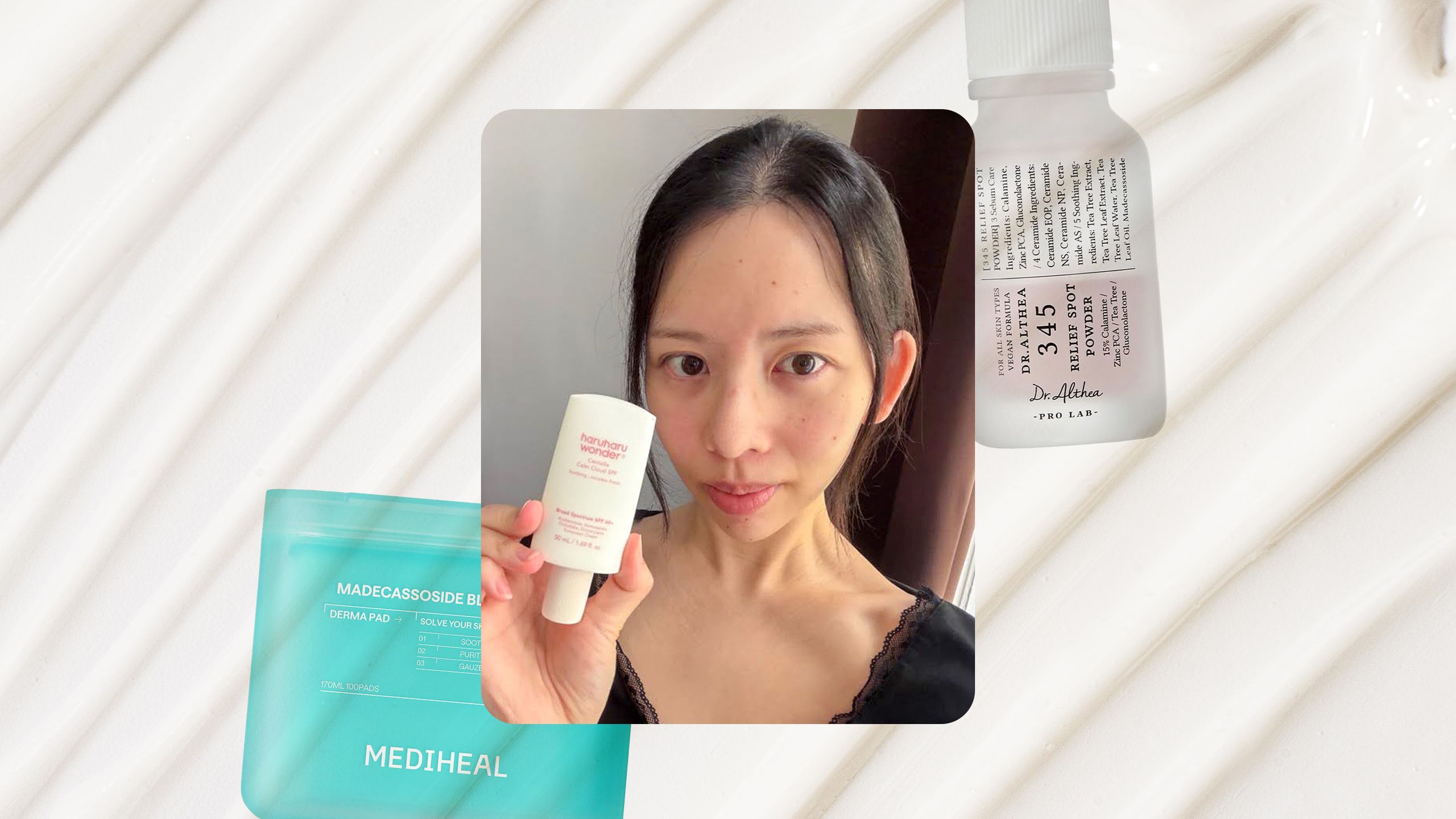
Korean skin care’s global commercial expansion has produced a tiered market. There are mass-market brands available everywhere from Amazon to Target – COSRX, Some By Mi, Innisfree, Etude House – and there are more specialized or luxury-positioned lines that require a bit more hunting. What the Glamour list recognizes is that price doesn’t reliably predict performance in this category. Some of the most effective Korean skin care products cost less than a drugstore moisturizer. The formulation philosophy in Korea has historically prioritized ingredient concentration and skin result over packaging expense, which is why a $15 toner can outperform a $90 one.
That said, accessibility has changed the landscape. As K-beauty has gone global, brands have had to balance their original formulation standards with the demands of wider distribution, different regulatory markets, and consumers who’ve never heard of a double cleanse. Some products have reformulated slightly for international markets. It’s worth paying attention to whether the version of a product sold in the United States matches what’s available in Korea – the ingredient lists don’t always align exactly.
How to Actually Use This List
A list of 10 products isn’t a routine. It’s a menu. The right approach is to identify one or two gaps in your current skin care – hydration, sun protection, texture, dark spots – and use the recommendations as a starting point for those specific concerns rather than trying to incorporate everything at once. K-beauty’s original appeal was the idea that consistent, layered care produces better long-term results than occasional aggressive treatment. That principle still holds, even if the 10-step routine has largely been condensed into something more realistic for daily life.
The products on Glamour’s 2026 list were tested and reviewed heading into a year when the skin care market is more crowded than it’s ever been. Every brand, from luxury to drugstore, has launched something described as a serum or an essence or a barrier cream. In that environment, a list built on actual dermatologist input and extended editor testing has a specific value: it cuts the noise down to 10 things that were put in front of people who know what good looks like – and still made the cut.
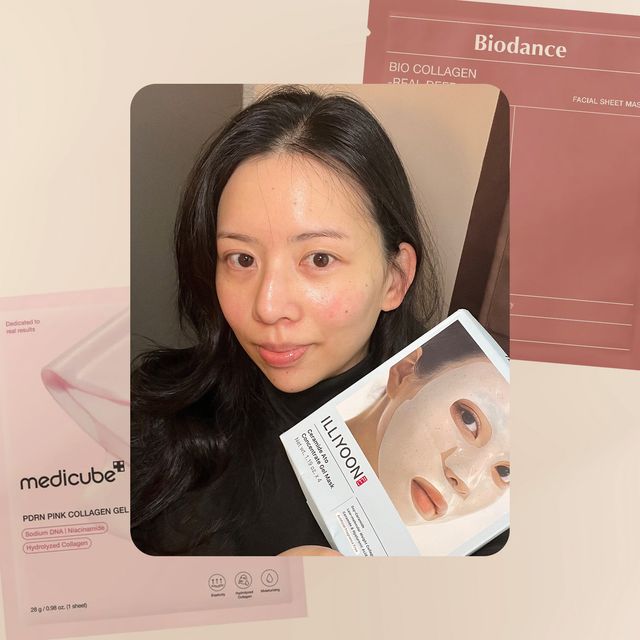
The real question isn’t whether Korean skin care deserves its reputation. At this point, the clinical track record of enough individual products answers that. The question is which products in a very large, very noisy market are the ones that will still be in your bathroom six months from now, used down to the last drop, rather than sitting half-finished on a shelf next to three other things you bought based on a 30-second video.