




The Clothes Before the Plot
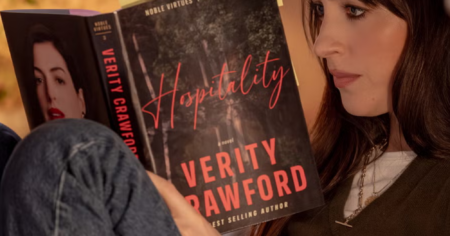
Before most viewers finish debating Verity‘s ending, they’ve already clocked what Dakota Johnson is wearing. The film’s cottage-set wardrobe – layered linens, worn-in boots, the kind of knitwear that looks inherited rather than purchased – became a talking point almost immediately, pulling attention away from the thriller mechanics and toward something quieter: how a character dresses when she thinks no one is watching.
Costume designer Jacqueline Demeterio built that wardrobe deliberately, and Glamour went directly to her to find out where every piece came from and how the looks could be replicated at different price points. What emerged from that conversation was less a shopping guide than a design philosophy – one that treats clothing as character exposition.
What Demeterio Was Actually Building
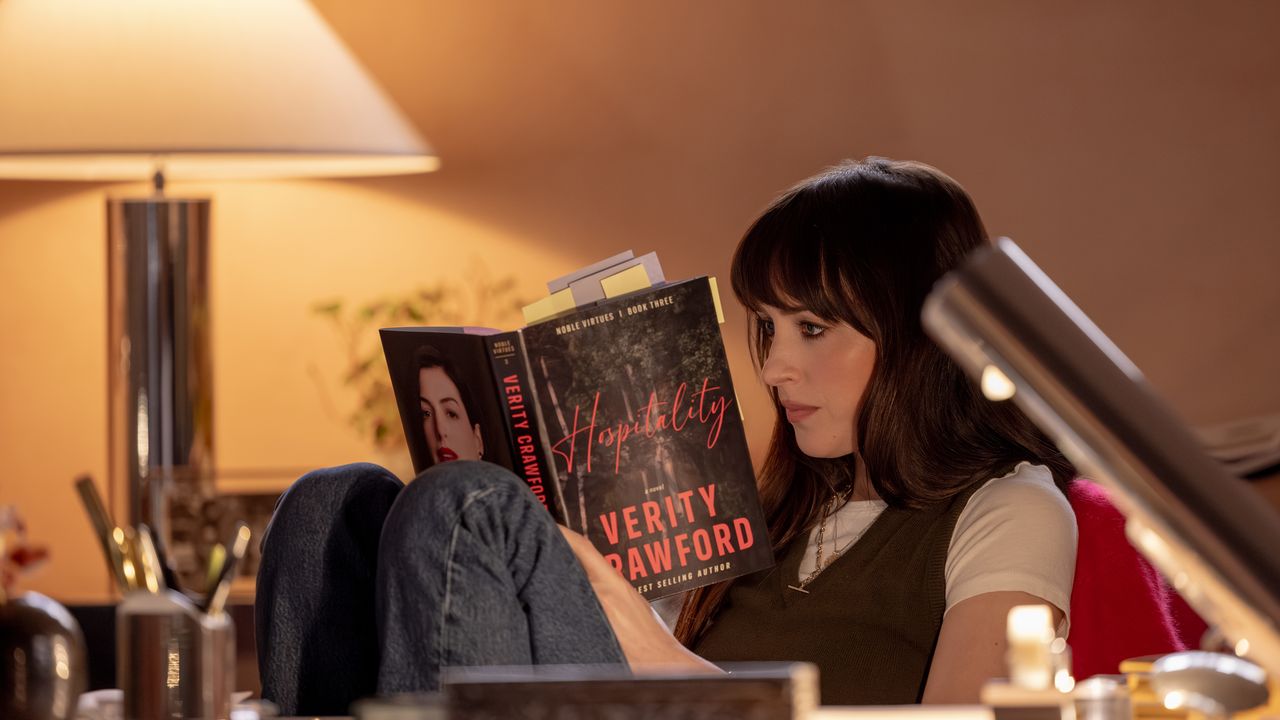
Demeterio’s brief for Johnson’s character wasn’t glamour or edge. It was specificity. The cottage setting – isolated, moss-damp, vaguely gothic – demanded clothes that felt lived-in without looking neglected. Every choice had to read as something the character would have already owned, not something selected for her. That’s a harder needle to thread than it sounds, because clothes that look effortless on screen are usually the result of exhaustive sourcing.
The elevated basics Demeterio landed on – neutral tones, tactile fabrics, silhouettes that don’t announce themselves – served a dual function. On one level, they kept Johnson’s character visually consistent with the film’s muted color palette. On another, they reinforced something about who this woman is: someone whose taste runs toward quality over display. In a thriller where almost every character is concealing something, the wardrobe works as a kind of misdirection. The clothes say ordinary. The story does not.
That tension between the clothes and the narrative is where Demeterio’s work becomes most interesting. Johnson is on screen in situations that are anything but domestic, yet she’s dressed as though she might step off set and into a farmers’ market. The dissonance is intentional. Grounding a character visually in the mundane while the plot pulls in the opposite direction is a classic technique, but it only works when the wardrobe is convincing enough to hold its own – when the audience actually believes the clothes, not just the actor wearing them.
The Sourcing Behind the Simplicity
Demeterio provided specific sourcing information for each piece Johnson wore, making the wardrobe unusually traceable. The Glamour breakdown included both the original items and accessible alternatives at multiple price points – a practical acknowledgment that the aesthetic is what most people are after, not necessarily the exact garment. That kind of transparency from a costume department is relatively uncommon, and it reflects how much the wardrobe had already been noticed before any official breakdown existed.
The pieces themselves skew toward the kind of brands and categories that don’t rely on logos or statement cuts: good wool, broken-in leather, cotton that drapes rather than stiffens. Styling them, according to Demeterio, is less about replication and more about proportion and layering – the same principles that make the on-screen looks feel cohesive rather than assembled.
Why Cottage Wardrobe Landed Now
The timing of the film’s release isn’t irrelevant to how the wardrobe was received. There’s been a sustained appetite for what gets loosely called “quiet luxury” – clothing that signals taste through restraint rather than branding – and Demeterio’s work for Verity slotted into that conversation without trying to. The cottage setting pushed the palette further toward natural fibers and earth tones, which happen to align almost exactly with what that aesthetic already values.
Johnson has also become something of a reliable reference point for this kind of dressing, both on and off screen. Her personal style – which she has discussed in various interviews as favoring comfort and longevity over trend – makes the Verity wardrobe feel like an extension of something audiences already associate with her. That coherence between actor and character wardrobe is a specific kind of casting luck, or design intelligence, depending on how you read the collaboration between a performer and a costume department.
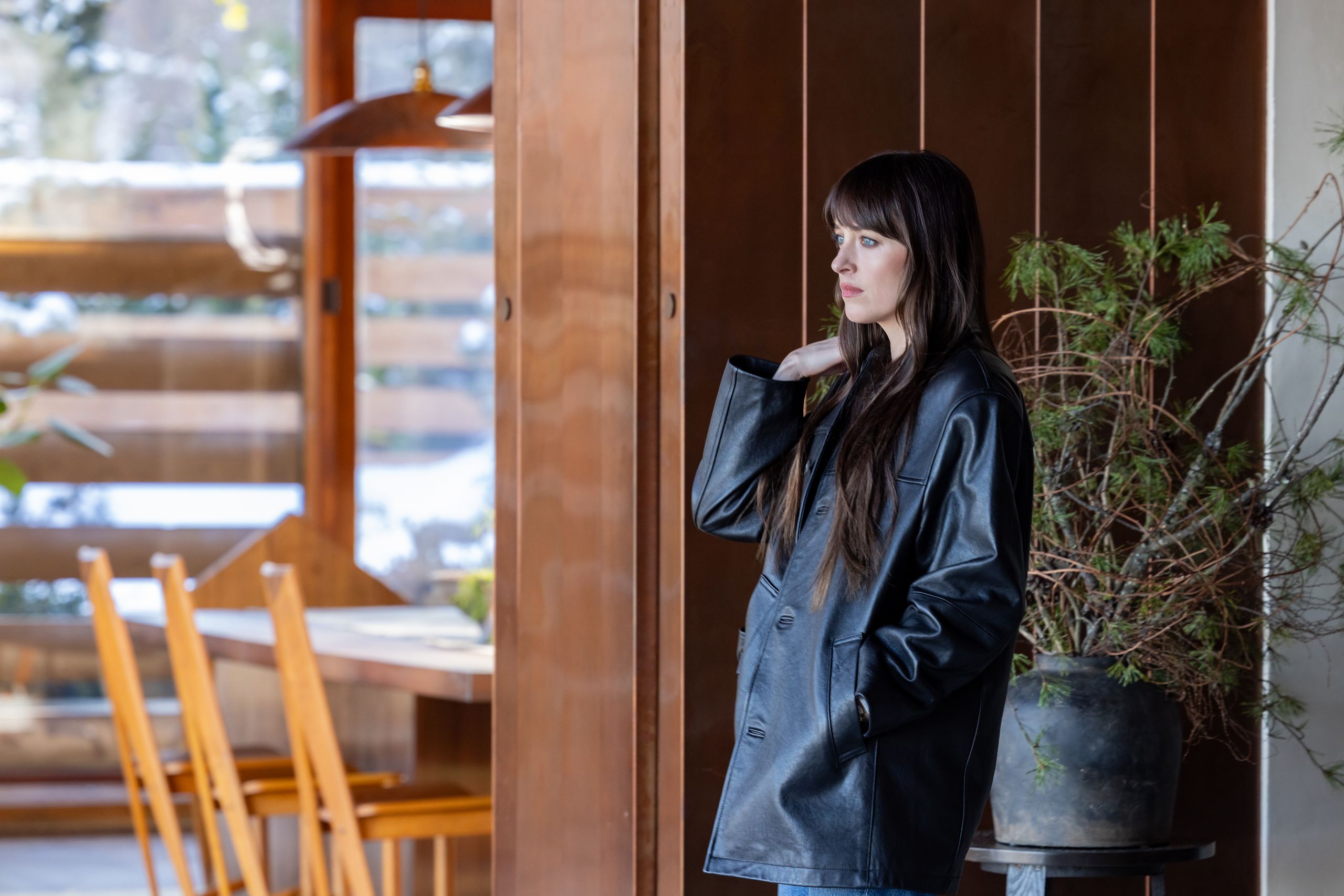
What’s less discussed is how much the setting did the heavy lifting. A cottage in winter – or the visual vocabulary of one – immediately codes certain kinds of clothing as appropriate: nothing too precious, nothing too structured, things that work near a fireplace or on a cold walk. Demeterio worked with that environment rather than against it, which meant the wardrobe never had to fight for credibility. It simply looked like it belonged there, which made it look like it belonged to the character.
The practical upshot of all this is that the Verity wardrobe is unusually copyable. Unlike film wardrobes built around custom pieces or archive fashion that exists in one size in one location, the aesthetic Demeterio assembled is fundamentally about approach. The specific sweater matters less than the weight of it. The boots matter less than how broken-in they look. That’s both a design choice and, somewhat accidentally, a gift to everyone who watched the film and immediately wanted to know where Dakota Johnson’s coat was from.
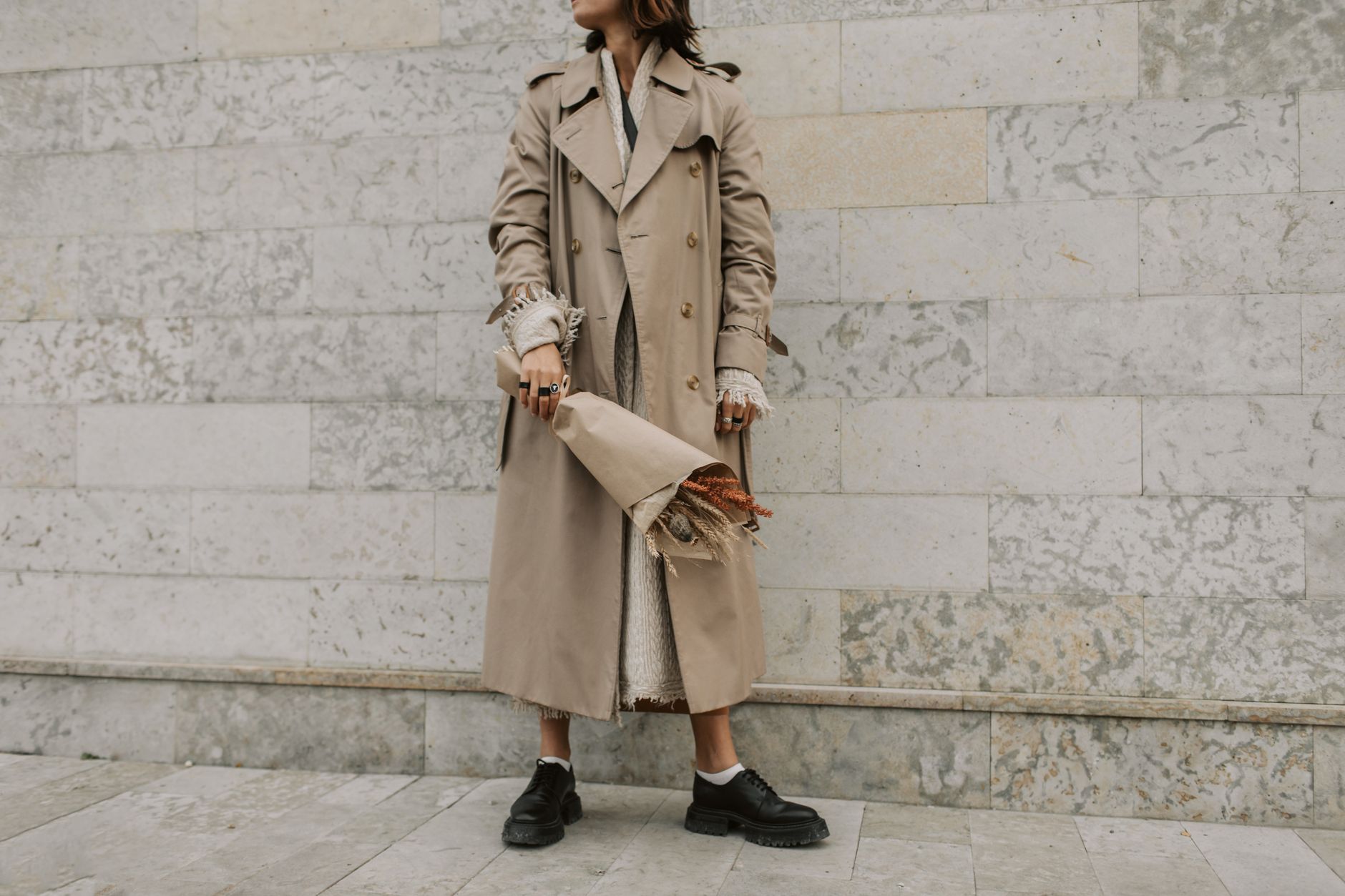
Demeterio provided those answers. The harder question – whether the clothes are the best part of a thriller that has plenty competing for that title – is one audiences are still working out. It’s not the first time a film’s costume work has outrun the conversation about everything else.