



The Finance Kid Who Chose Himself Instead
Blakely Thornton grew up in Dallas, Texas as an athlete – football, structure, a future that looked like his parents’ careers. He went to UPenn, majored in finance, stayed closeted, and aimed for the kind of stability that doesn’t invite questions. For a while, that plan held. He worked at Ralph Lauren. He pursued corporate finance. He performed the version of himself that fit the blueprint.
Then he stopped. Not dramatically, not overnight – but definitively. Thornton decided he wasn’t going to spend another two decades being anything less than his full self, and what followed was a career that nobody, including him, could have drawn on a whiteboard. He is now an Out 100 honoree, a self-described Pop Culture Anthropologist, and one of the more genuinely original voices operating in the entertainment commentary space right now.
Building a Following on Honesty, Not Aesthetics
Thornton’s digital audience doesn’t follow him for the curated feed. They follow him because he says the thing. His social media commentary on celebrity culture, fashion, and pop culture has built a fanbase of hundreds of thousands, and the pull is his refusal to soften the take. Where a lot of creators hedge, Thornton tends to go in. That directness – call it wit, call it nerve – is also the engine behind Yestergays, the podcast he co-hosts where fashion and celebrity culture get the kind of critical treatment most entertainment media is too cautious to attempt.
Celebrities have noticed. Thornton has carved out a specific kind of access – the sort that gets you to Met Gala red carpets and into ultra-exclusive gyms – and it hasn’t come through traditional PR channels. It has come through being someone that famous people find genuinely interesting to engage with. That is a harder thing to manufacture than a press credential, and significantly harder to maintain.
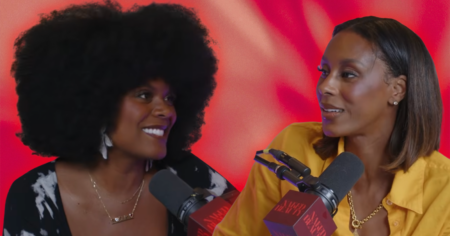
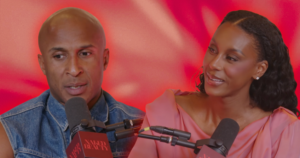
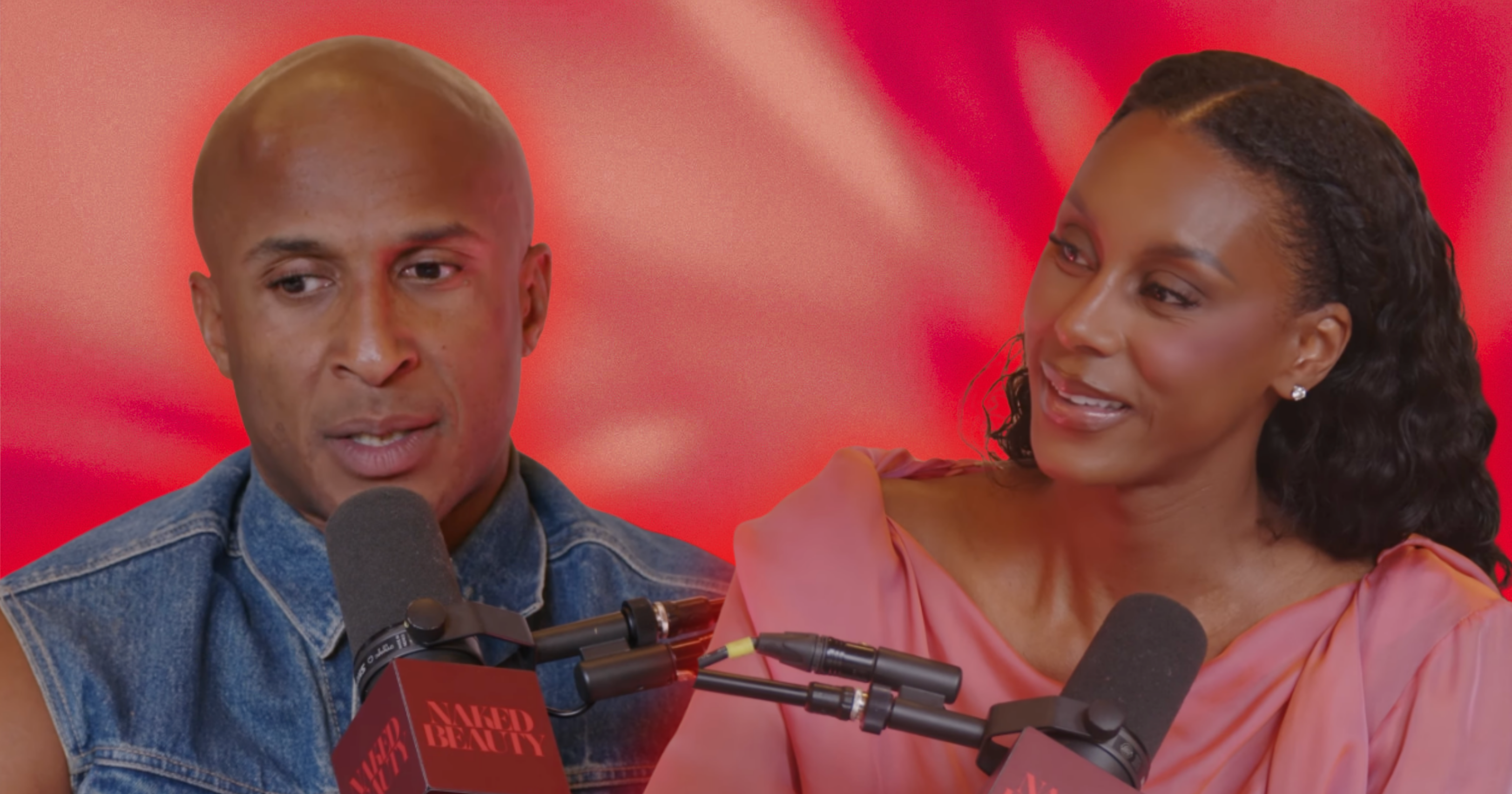
On a recent episode of the Naked Beauty podcast, Thornton walked through a range of topics that together form a picture of how he actually thinks: the mechanics of what makes an It Girl, how much cultural traction Zendaya genuinely generates for the films and fashion houses she’s attached to, the role of GLP-1s in reshaping beauty standards, and the specific damage that misogynistic beauty standards do – including within gay male culture, where those pressures often go unnamed.

The Weight of Being Widely Liked
Popularity online has a shadow side that Thornton addresses with unusual candor. He talked openly about Reddit – the mean comment threads, the particular sting of being discussed in the third person by people who feel ownership over your persona. There’s a specific kind of dehumanization that comes with scale: you stop being a person and start being a product, and the audience starts expecting you to carry their emotional weight as part of the transaction.
Thornton has built deliberate safeguards to manage that. Working out is one of them – not as content, not as performance, but as a genuine mechanism for maintaining peace of mind when hundreds of thousands of opinions are in constant orbit around your public identity. That boundary between creative output and psychological survival is something most people building large audiences figure out too late, if at all.
What the It Girl Question Actually Reveals
The conversation around what makes an It Girl is one of those pop culture questions that sounds light until it isn’t. Thornton’s framework for it – whatever that turns out to be on the episode – sits inside a broader interest he has in how celebrity functions, how fashion houses select and deploy famous faces, and whether the cultural value of a name like Zendaya is real or inflated. These are the kinds of questions that entertainment media usually ducks because the answer might offend a publicist.
Thornton also talked about Heated Rivalry and why it landed with the impact it did. The specifics of that conversation matter less than what they signal: he’s someone who takes fan culture and sports culture seriously as objects of analysis, not just as background noise. That cross-genre fluency – finance kid, football player, fashion commentator, gay cultural critic – is probably the actual source of what makes his perspective feel different.
He also addressed how he makes friends with celebrities in the first place. The answer, as far as can be read between the lines, is that he treats them like people worth having opinions about rather than totems worth worshipping. That’s rarer than it sounds in spaces where access depends on flattery.
The version of Blakely Thornton that exists online now – the commentator with the red carpet access, the podcast, the Out 100 recognition – is a long way from the closeted UPenn finance major playing football in Dallas. What’s striking is that the skills aren’t entirely different. Reading a room. Understanding systems. Knowing what something is actually worth versus what people say it’s worth.

The Naked Beauty episode is available to watch in full – and the question Thornton leaves hanging, about how much of celebrity cultural value is real versus constructed consensus, doesn’t resolve neatly on either side.