




The Jean That Refuses to Leave
Boyfriend jeans have been quietly outlasting every trend cycle that was supposed to kill them. Skinny jeans had their moment. Wide-leg silhouettes took over the conversation. Barrel-leg cuts started appearing on every mood board. And yet, the relaxed, slightly-too-big, borrowed-from-the-boys cut keeps showing up – in street style, in editorial shoots, in the back of wardrobes that haven’t been fully cleaned out since 2015, still relevant, still pulling weight.
Part of what makes them durable is how little they demand. They don’t require a specific body type, a specific season, or a specific occasion. They work on a Tuesday when you’re running errands and on a Saturday when you’re trying to look like you didn’t try. That range is genuinely rare in denim, where most silhouettes make a strong argument for exactly one context and fall apart everywhere else.
What Actually Makes the Look Work
The mistake most people make with boyfriend jeans is treating the looseness like a problem to compensate for rather than a feature to work with. The instinct is to tuck everything in, cinch a belt hard, and add a heel – essentially, to make the jeans look less like themselves. That approach can work, but it’s fighting the silhouette rather than using it. The jeans read best when the styling acknowledges the relaxed fit instead of apologizing for it.
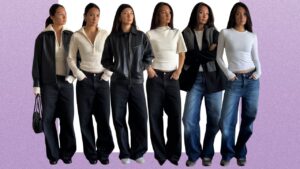
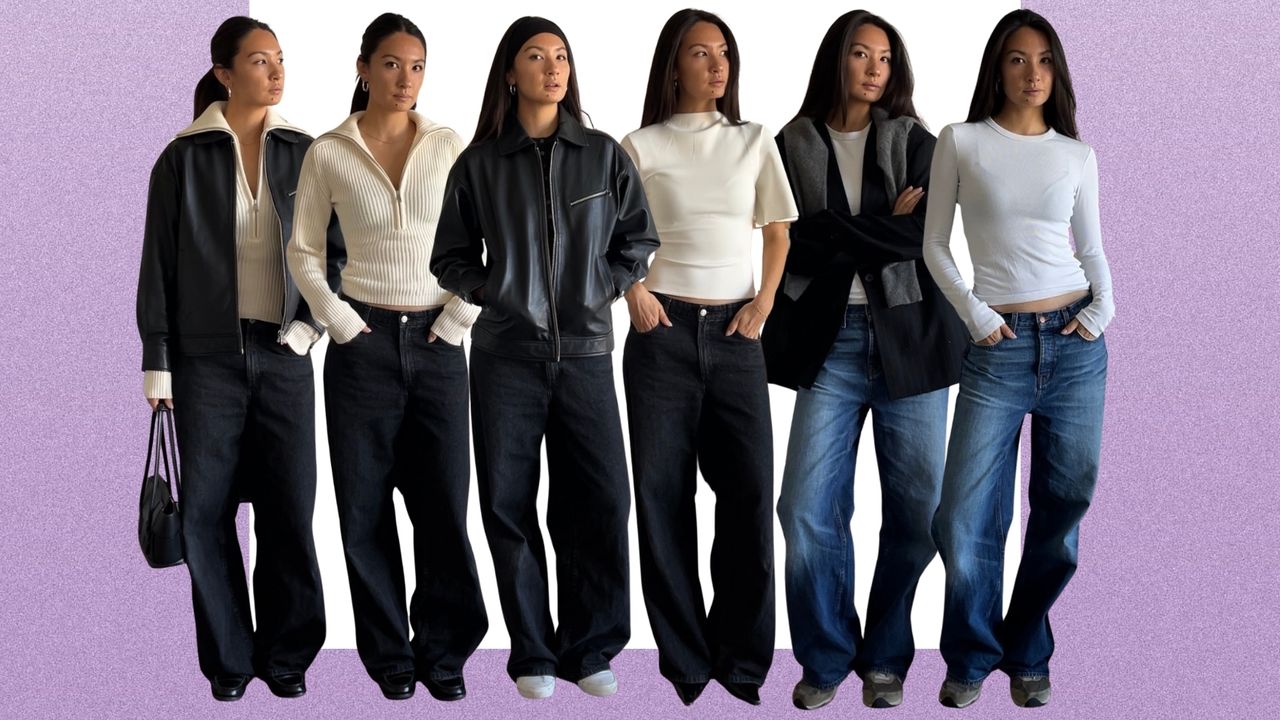
Proportion is the actual mechanic at play here. Boyfriend jeans sit lower and wider than most other cuts, which means what you put on top needs to respond to that. A fitted top – a ribbed tank, a close-cut crewneck, a simple button-down tucked in front – creates a clear visual contrast between the structure above the waist and the ease below it. That contrast is the look. Without it, the outfit flattens into shapelessness and the jeans start to look less intentional than they should.
Footwear does more work in this equation than most people account for. The ankle is usually exposed or rolled, which means the shoe becomes a visual endpoint that can shift the entire register of the outfit. White sneakers push the look casual and clean. Loafers – particularly chunky leather ones – add structure without formality. Pointed-toe flats elongate the leg in a way that reads surprisingly dressed-up for something with zero heel. A strappy sandal in summer changes the mood entirely, making the same pair of jeans feel lighter and more seasonal than they would with a heavier shoe.
Fall Specifically Changes the Calculus
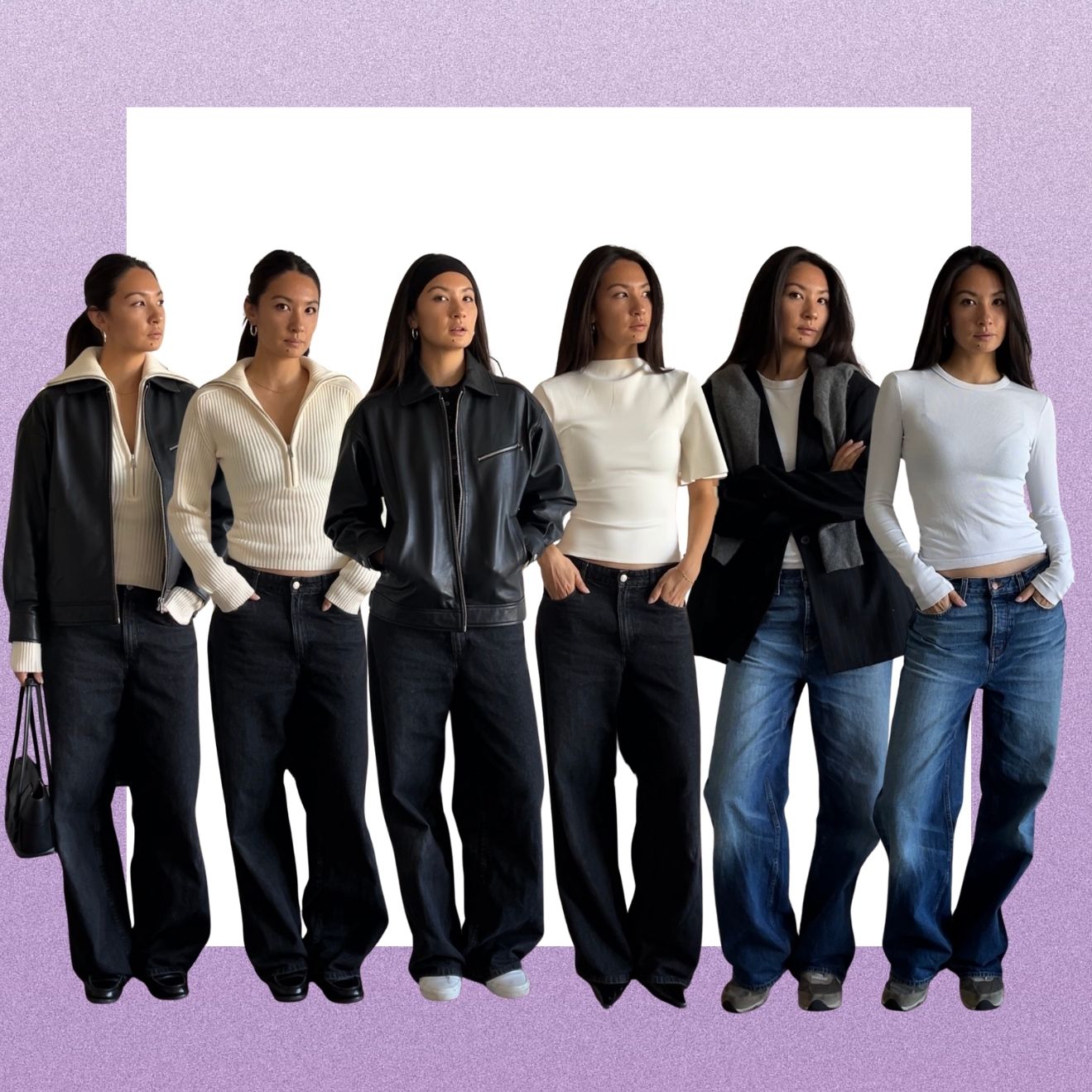
Styling boyfriend jeans in fall is a slightly different problem than styling them in warmer months. The layering options multiply, which is either a gift or a trap depending on how you approach it. An oversized blazer worn open over a fitted tee is one of the cleaner solutions – the blazer adds weight and polish without overwhelming the looseness of the jeans, and the fitted layer underneath keeps the proportion from collapsing into a shapeless pile of fabric.
Knitwear is where things get more specific. A chunky, oversized sweater with boyfriend jeans can absolutely work, but the top needs to stop at or just above the hip – anything longer and the outfit loses its waist entirely, which removes the proportional contrast that makes the silhouette function in the first place. A cropped or hip-length knit, tucked slightly in front and left loose at the sides, handles the balance more reliably than a full oversized pull that falls past the thigh.
The Details That Separate Styled From Just Wearing
The roll matters more than it should. A single, clean cuff at the ankle reads neater and more deliberate than a double roll, which can look bulky depending on the denim weight. Leaving the hem unrolled works if the jeans are cut to hit cleanly at the ankle, but most boyfriend cuts are long enough that skipping the cuff entirely creates a dragging, unkempt effect that undercuts everything else in the outfit.
Accessories tend to land better when they’re kept minimal. Boyfriend jeans already have a casual authority to them, and piling on layered necklaces, statement earrings, and a patterned bag simultaneously pulls against that ease. One deliberate piece – a simple gold chain, a leather belt worn loosely rather than cinched tight, a structured bag in a neutral color – does more than the sum of several competing choices. The look doesn’t need noise. It benefits from quiet.
Color is worth thinking about separately from fit and styling. Classic mid-wash denim is the most versatile option and the most forgiving in terms of what it pairs with. Dark wash reads dressier and works better in fall and winter, when the overall palette tends to run heavier. Light wash and distressed finishes are summer-leaning and slightly harder to take into colder months without specific styling effort. Raw hem, slight distressing at the knee, and a lived-in fade all sit comfortably in the aesthetic without tipping into the deliberately destroyed territory that dates more quickly.
What hasn’t changed, across ten years of working out what the look actually requires, is that boyfriend jeans reward specificity. The people who make them look effortless aren’t making fewer decisions – they’re making more precise ones. The cuff is deliberate. The shoe is considered. The top is chosen for proportion, not just preference. That specificity is invisible when it works, which is why the result reads as ease. It isn’t, quite. But the illusion is convincing enough that it doesn’t matter.
The real question for this fall isn’t whether boyfriend jeans still work. They do, and they will. The question is whether the rest of the outfit is doing enough to let them.