




The moment central heating kicks on and daylight shrinks to a sliver, skin behaves differently – tighter, flakier, more reactive. Google searches for “best moisturizers for dry skin,” “cream for dry skin,” and “how to cure dry skin on face” have spiked in the past week alone, which tracks with what’s happening seasonally. Fall skincare isn’t just about swapping a lightweight gel for something heavier. According to Kat Burki – skin specialist, nutritional scientist, and founder and CEO of her eponymous skincare brand – the shift goes deeper than texture.
The Barrier Is the Whole Conversation Right Now
Every fall trend Burki flagged circles back to one thing: keeping the skin barrier intact. That’s the outermost layer that regulates moisture loss and shields against environmental stress. When temperatures drop and indoor heating pulls humidity out of the air, that barrier takes a hit from both sides simultaneously. Redness, tightness, and sudden sensitivity aren’t random – they’re signs the barrier is compromised and struggling to recover on its own.
The industry spent summer obsessing over actives. Dermatologists pushed retinal over retinol for faster results on pigmentation, fine lines, and breakouts. Injectable polynucleotides were generating buzz as a serious rival to eye cream for reducing dark circles. Fall is pulling focus in a different direction – less about accelerating cell turnover, more about reinforcing what’s already there.
Burki’s position is that nutrient delivery and barrier preservation aren’t separate concerns. They’re the same project. The trends she’s watching for fall and winter reflect that philosophy – approaches that layer protection rather than strip away at the skin in the name of “deep cleansing.”
Some of what she recommends flips conventional advice entirely. That’s not contrarianism for its own sake. Each reversal has a specific rationale tied to what happens to skin chemistry when you do things in a different order, or reach for a different ingredient at a different moment in your routine.
Reversing the Double Cleanse – and Other Counterintuitive Moves
Double cleansing in the evening is one of the few steps that nearly every skincare professional agrees on. The standard method: start with a micellar water, cleansing oil, or balm to dissolve makeup, sunscreen, and the day’s buildup, then follow with a gel or foam to clear whatever’s left. It’s logical sequencing – oil-based residue first, then the water-based clean sweep.
Burki does it backward. She starts with a gel cleanser – specifically her KB5 Calming Gel Cleanser – and follows with an oil cleanser second. “I do the opposite of what other people do to get a deep cleanse without stripping the skin,” she said. “That’s because you don’t want to wash away those nutrients.” The oil used at the end acts as a finishing layer rather than a removal tool, sealing moisture back in after the gel has done the actual cleansing work. For anyone whose skin feels raw or tight after a traditional double cleanse, this sequencing addresses exactly that problem.
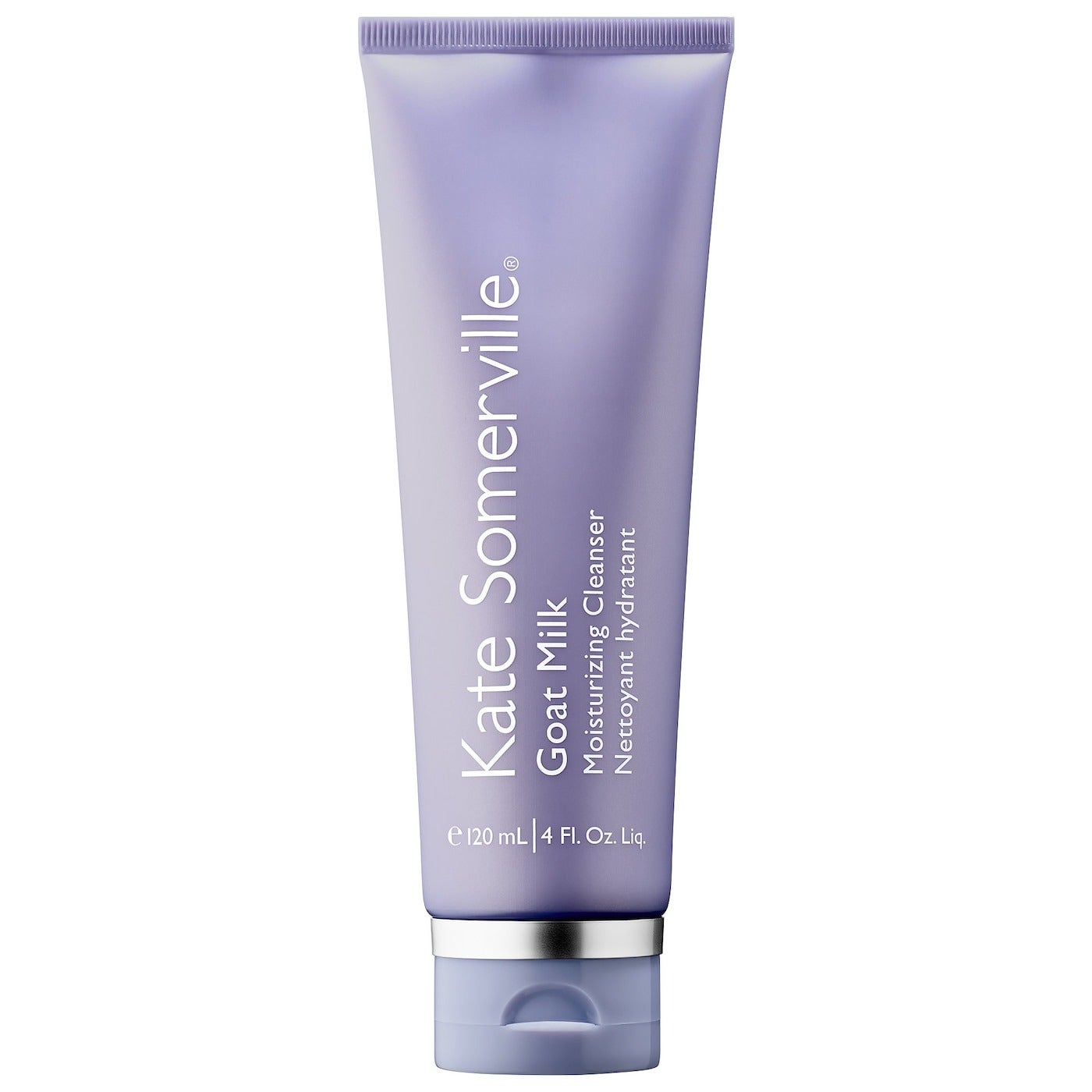
The logic here is worth sitting with. Gel and foam cleansers do their job efficiently – they clear the skin – but they also remove oils the skin produces naturally. When oil comes in after, it compensates for what the cleanser stripped away, rather than leaving the skin with nothing to work with overnight. It’s a small procedural change with a measurable difference in how skin feels by morning.
This is especially relevant for dry skin types heading into fall, when sebum production tends to slow and skin has less natural oil to draw on between cleansing and moisturizing. The reversed double cleanse fills that gap without requiring an additional product step. Burki’s recommendation is essentially rethinking the function of the oil cleanser – not as a makeup remover but as a treatment finish.
What makes this trend worth tracking isn’t that it requires anything new. Most people who double cleanse already own both product types. The shift is purely in the order, and that alone changes the outcome on the skin. That accessibility is part of why Burki sees it gaining traction – no new purchases required, just a different sequence on the same shelf.
Why Fall Skin Demands a Different Kind of Attention
Plummeting temperatures, the absence of vitamin D from consistent sun exposure, and the drying effect of central heating create a specific set of stressors that summer products aren’t built to handle. A lightweight SPF moisturizer that worked perfectly in July is working against you by October. The skin is asking for something different, and the trends Burki is flagging are responses to that precise ask – not seasonal marketing, but functional adjustments.
Burki’s background as a nutritional scientist shapes how she approaches these recommendations. Skin health, in her framework, is downstream of what the skin is being fed – topically and otherwise. The barrier-first thinking that runs through her fall predictions is less about adding more products and more about not undermining the skin’s own repair mechanisms with overly aggressive cleansing, stripping actives, or routines designed for a different climate. The question she’s implicitly asking: what does skin need to do its own work, and what are we getting in the way of?
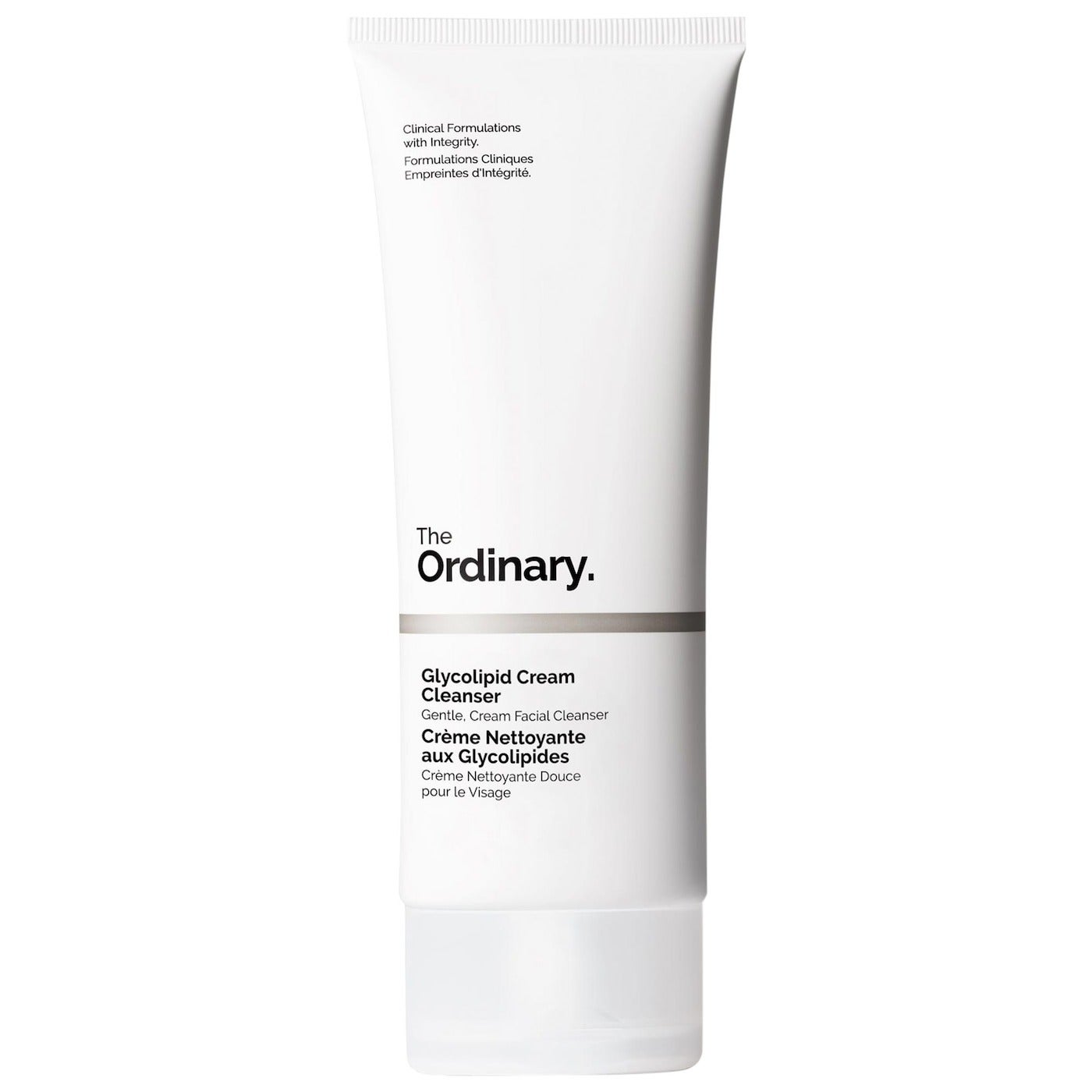
Fall is also when people tend to reintroduce stronger actives – retinoids, exfoliating acids – after backing off during peak summer UV months. That reintroduction, combined with already-compromised barrier function from the seasonal shift, is where most fall skin crises actually originate. Starting with barrier repair before layering actives back in isn’t just a trend; it’s the sequencing that prevents the inflammation and sensitivity that derail routines entirely.