




Beauty’s Vocabulary Problem Just Got a New Answer
Beauty trends have a recycling problem. The same ideas resurface every few years wearing different names, and consumers have learned to spot the costume. But occasionally, a shift in language signals something more substantive – a genuine change in how a category thinks about itself. The current move away from “anti-aging” toward “skin preservation” and “skin longevity” is starting to look like one of those moments, not because the marketing is slicker, but because the underlying logic is different enough to matter.
Anti-aging, as a concept, framed wrinkles, dullness, and other visible changes as failures – problems to correct, preferably fast. Skin preservation flips that framing entirely. The goal shifts from reversing what’s already happened to supporting skin so it functions well for as long as possible. Less emergency repair, more long-term maintenance. It’s the difference between patching a roof after it leaks and keeping it weatherproofed from the start.
What Skin Preservation Actually Means Biologically
The science beneath the trend is straightforward. Several mechanisms drive accelerated skin aging: free radicals generate oxidative stress that damages skin cells; UVA and UVB rays break down collagen and trigger pigmentation changes; and naturally occurring enzymes gradually degrade collagen and elastin, reducing firmness over time. None of this is new information. What’s changed is the strategy – addressing these processes before they compound, rather than waiting for visible damage to appear.
Skin longevity and skin preservation are closely related concepts, essentially two orientations toward the same outcome: keeping skin looking and functioning at its best for as long as possible. The distinction from traditional anti-aging becomes sharper when you consider timing. Anti-aging products have historically targeted people who already see signs they want to address. Skin preservation targets the period before those signs accelerate – a proactive position rather than a reactive one. The shift in consumer appetite is real: the demand for immediate gratification that drove anti-aging marketing even a few years ago has measurably softened, replaced by interest in consistency and long-term skin health.
The Products Carrying This Idea Forward
The market is already moving. Tatcha’s The Longevity Memory Cream and Paula’s Choice CellularYouth Longevity Serum both position themselves around protecting skin’s future rather than correcting its past – a subtle but meaningful reframe for product categories that have historically leaned on before-and-after transformation as their primary pitch.
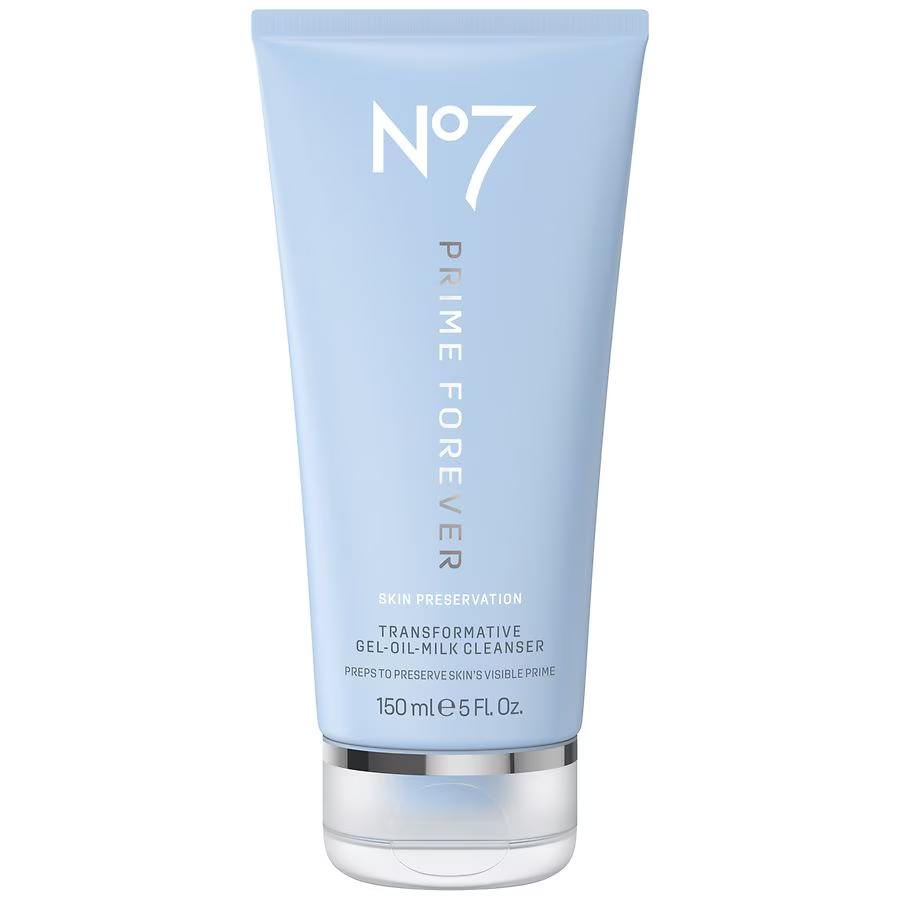
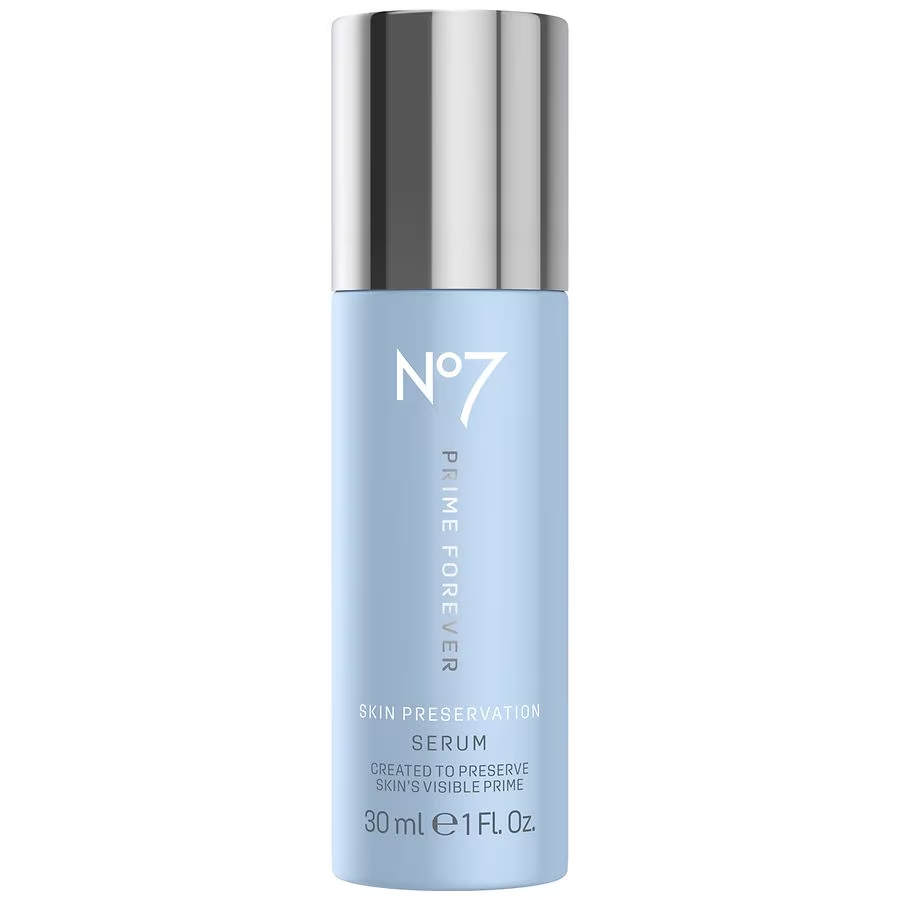
The most recent entrant is No7’s Prime Forever collection, a four-piece skincare routine built explicitly around skin preservation. No7 designed the line for the window before visible aging meaningfully accelerates – targeting consumers who aren’t yet concerned but want to stay ahead of the curve. That’s a different customer than the one traditional anti-aging advertising has spent decades speaking to, and reaching her requires a different kind of argument.
The argument, in this case, is about habits over heroics. Rather than promising dramatic correction, skin preservation marketing asks consumers to think in longer timeframes – to treat their current skin as something worth maintaining, not something to transform later. That’s a harder sell in some ways, because it requires patience. In other ways, it’s easier, because it removes the implicit judgment that you’ve already let things go too far.
Whether consumers actually respond differently to “preservation” versus “anti-aging” is still being tested in real time. But the brand investment is substantial enough to suggest that the industry is betting they will. No7, Tatcha, and Paula’s Choice are not fringe players testing unconventional ideas – they are mainstream and prestige labels reading the same data and arriving at the same vocabulary.
Why the Framing Shift Actually Matters
Language in beauty has always done more than describe products – it shapes how people feel about their faces. “Anti-aging” carried an implicit message for decades: that aging was something to fight, and that visible signs of time were evidence of losing. The guilt embedded in that framing was functional for sales but came with a cost. Skin preservation sidesteps the guilt entirely. Your skin isn’t failing; you’re just maintaining it, the way you’d maintain anything worth keeping.
That reframe has particular relevance for younger consumers, who are entering the skincare category earlier than previous generations and are more attuned to the emotional texture of brand messaging. A 28-year-old has no reason to think in terms of “anti-aging” – but “preservation” gives her a category she can participate in now, on her own terms.
Where This Leaves the Market
The speed at which “longevity” has moved from healthcare conversations into beauty product copy is notable. The word carried clinical weight not long ago; now it appears on moisturizer packaging at mass-market retailers. Skin preservation is following the same trajectory – academic in framing, increasingly commercial in application. No7’s Prime Forever collection is the clearest signal yet that the concept has reached the product-launch stage, which usually means saturation isn’t far behind.
What gets interesting is whether the category can sustain the promise. Skin longevity, as a philosophy, works only if the products and habits genuinely deliver long-term skin health rather than just borrowing the language of it. If consumers invest in skin preservation routines for years and don’t see meaningful differences compared to doing nothing differently, the backlash will be proportional to the hype.
No7 is now staking a product line on the idea that they can deliver on that promise. The Prime Forever collection is four products. Four touch points in someone’s daily routine, each one an argument that consistent, proactive care compounds over time. Whether that argument holds up over years – not in clinical studies, but in bathroom mirrors – is the question the entire category is quietly waiting to answer.