





The Man Behind Your Favorite Bottle Has Opinions
Alberto Morillas is responsible for some of the most-worn fragrances of the last three decades. Calvin Klein CK One, Gucci Bloom, Marc Jacobs Daisy, Flower by Kenzo – all of them came from his hands. These aren’t cult obscurities; they’re bottles that have lived on bathroom shelves, in gym bags, and in memory, attached to specific people and specific rooms. Morillas has since founded his own fragrance house, Mizensir, but his read on where the industry is heading carries the weight of someone who has shaped it repeatedly.
Fall is close enough to smell – literally.
With the season’s shift comes a different appetite in fragrance. The notes that dominated summer – bright, sweet, uncomplicated – tend to feel thin once the air changes. Morillas has identified the directions he believes will define fall 2026, and they point toward something more textured, more demanding, and considerably less sugary than what most people have been reaching for.
The End of Easy Sweet
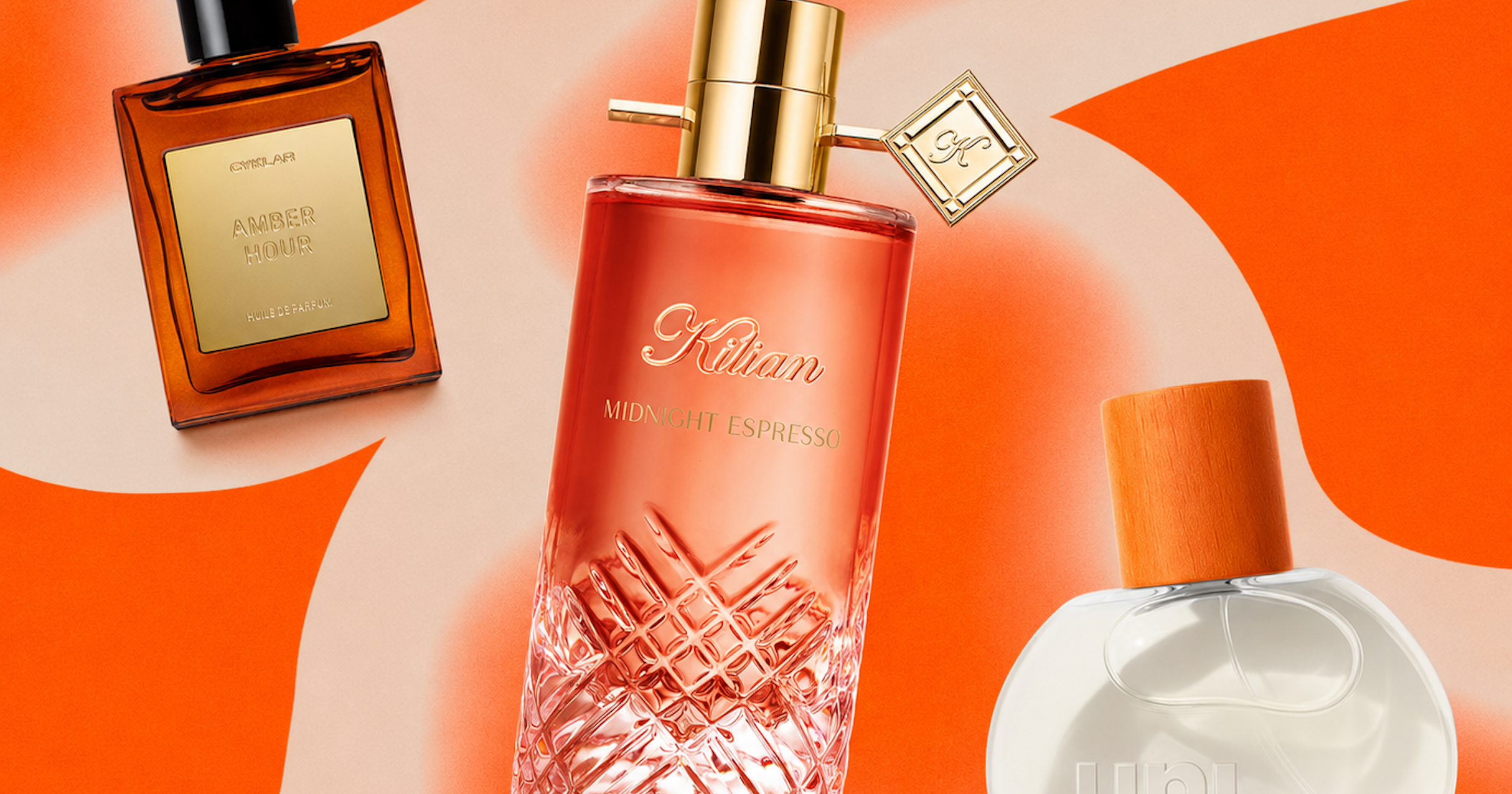
Gourmand fragrances have been everywhere. Strawberry, caramel, Chantilly cream – the category exploded because those notes are immediately pleasurable and broadly accessible. Morillas doesn’t dismiss that appeal, but he’s direct about the limitation: “These notes are quite simple.” According to him, a perfume with genuine depth needs a counterweight, specifically “a slight bitterness.” That’s where the next wave of fragrance is heading – not away from warmth, but toward complexity within it.
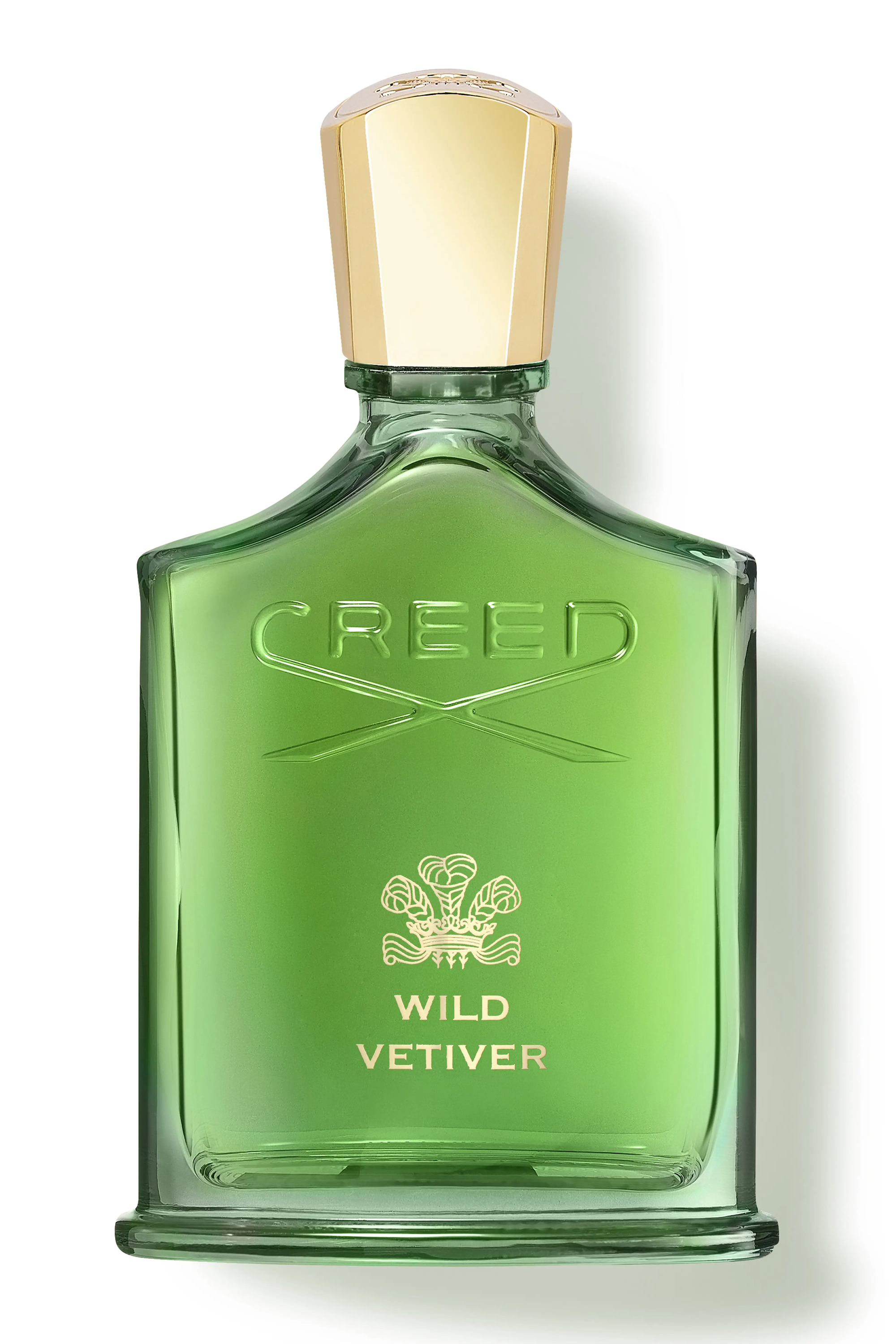
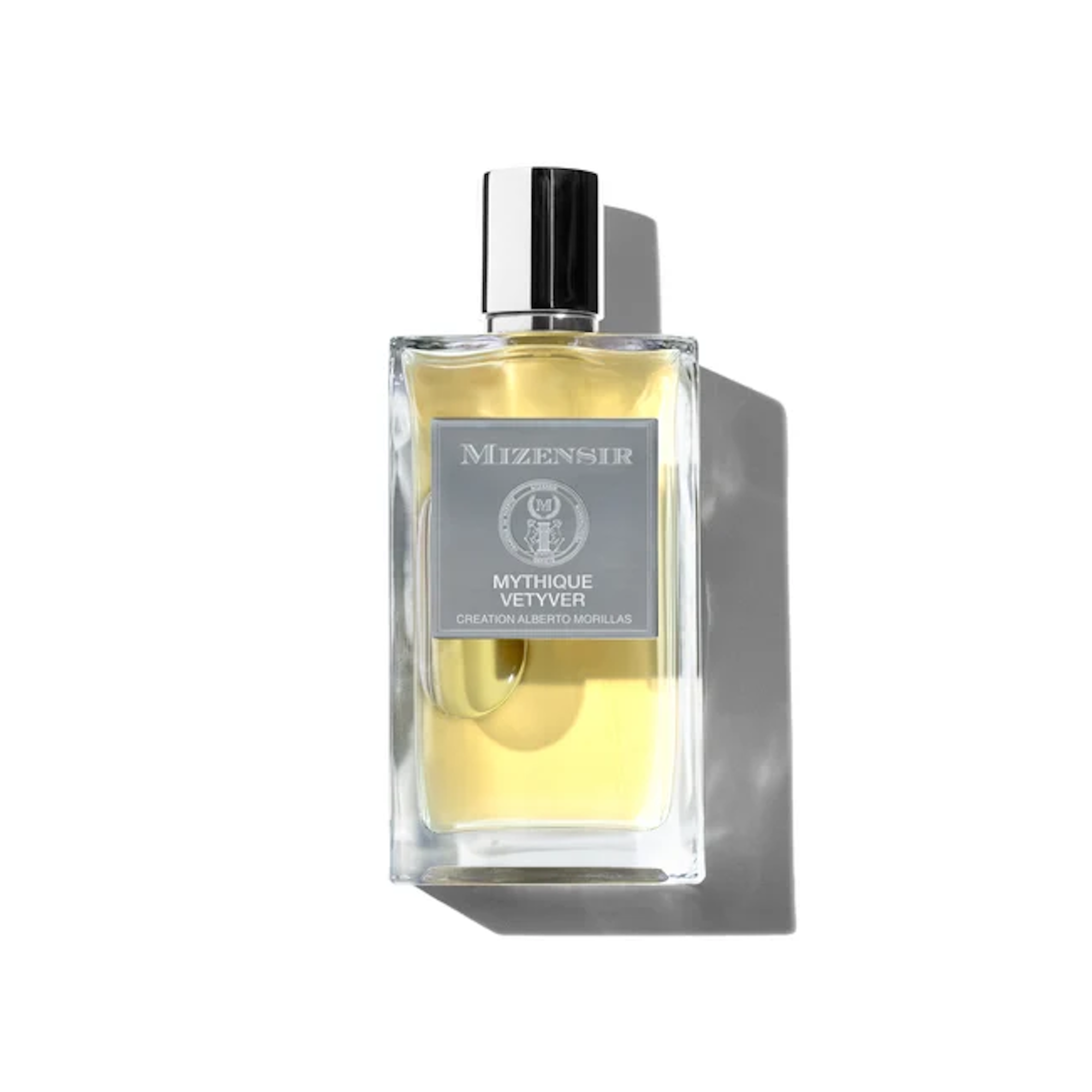
The notes Morillas names as the ones to watch are artichoke, thyme, vetiver, and cypriol. These are herbaceous, sometimes medicinal, occasionally earthy ingredients that cut through sweetness rather than layering on top of it. Vetiver in particular – a grass-derived material with a smoky, rooty quality – shows up across multiple launches as the anchor note of the moment. Creed’s Wild Vetiver Eau de Parfum pairs grassy vetiver with zingy pink pepper, then softens the composition with lush rose and syrupy berries, creating the kind of tension Morillas is describing. Mizensir’s own Mythique Vetyver combines vetiver with Sicilian lemon and geranium, using citrus brightness to sharpen what could otherwise be a heavy material.
What Morillas is pointing toward isn’t a rejection of warmth – fall fragrance has always leaned rich – but a rejection of flatness. Vanilla without anything to push against it reads as dessert. Vanilla alongside vetiver or thyme reads as something worth returning to on skin, something that shifts as the day moves.
Why Bitterness Works in Cold Air
There’s a practical reason bitter and herbaceous notes gain traction in fall specifically. Fragrance behaves differently in cooler temperatures – it projects less, sits closer to skin, and develops more slowly. Sweet notes that bloom easily in summer heat can become cloying indoors with the heat running, while bitter and green materials stay cleaner, drier, and more interesting across longer wear. It’s not just a trend logic; it’s a sensory one.
Morillas has spent his career thinking about how fragrance interacts with skin, temperature, and time. The fact that he’s pointing toward complexity over comfort – toward artichoke and cypriol rather than another caramel flanker – suggests the industry is responding to a real shift in what wearers are asking for. The easy-pleasure category has been so thoroughly saturated that the next interesting space is difficulty, or at least the appearance of it. A fragrance that takes a moment to understand has more longevity in a wardrobe than one that’s immediately obvious. Fall asks more of everything you put on your body, and fragrance is no exception.
Morillas also emphasizes that these notes work because they reference something outside the perfumer’s comfort zone. Artichoke in a fragrance is unusual enough to create a reaction – not necessarily discomfort, but alertness. That alertness is exactly the quality that makes a scent memorable rather than pleasant-and-forgotten.
What to Actually Do With This Information
The most direct application is to test before buying, specifically looking for fragrances that include vetiver, cypriol, or herbal notes listed in the pyramid. These won’t smell the same on the strip as they do after thirty minutes on skin – bitter notes in particular tend to settle and sweeten slightly with body heat, which changes the entire character of the composition. Morillas built his career on that kind of evolution in a bottle; Creed’s Wild Vetiver and Mizensir Mythique Vetyver are starting points precisely because they demonstrate the bitter-and-warm balance he’s describing, rather than just gesturing at it.
The harder question is whether casual fragrance buyers – the people who’ve worn Marc Jacobs Daisy for a decade because it works and they love it – will actually move toward something more challenging just because a master perfumer says the industry is going that way. Morillas created Daisy. He knows that accessibility is not an accident. So when he says fall’s interesting territory is artichoke and vetiver, the real tension is whether the same audience that made Gucci Bloom a phenomenon is ready to follow.