


A $50 Million Bra Was Not the Headline
The 2026 Victoria’s Secret Fashion Show aired on October 18 in Los Angeles, and yes, there was a $50 million Fantasy Bra. There were wings and models and all the theatrical architecture the show has always leaned on. But the sequence that actually stopped the scroll – the one that’s still living rent-free in the heads of anyone who watched – came from the PINK segment, specifically from a pair of sweatpants with charms dangling off the waistband like the world’s most impractical keychain collection.
It sounds ridiculous. It was ridiculous. That was entirely the point, and it worked.
What Carlyne Cerf de Dudzeele Actually Built on That Runway
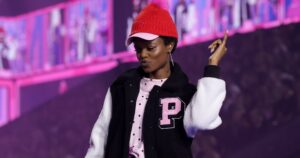
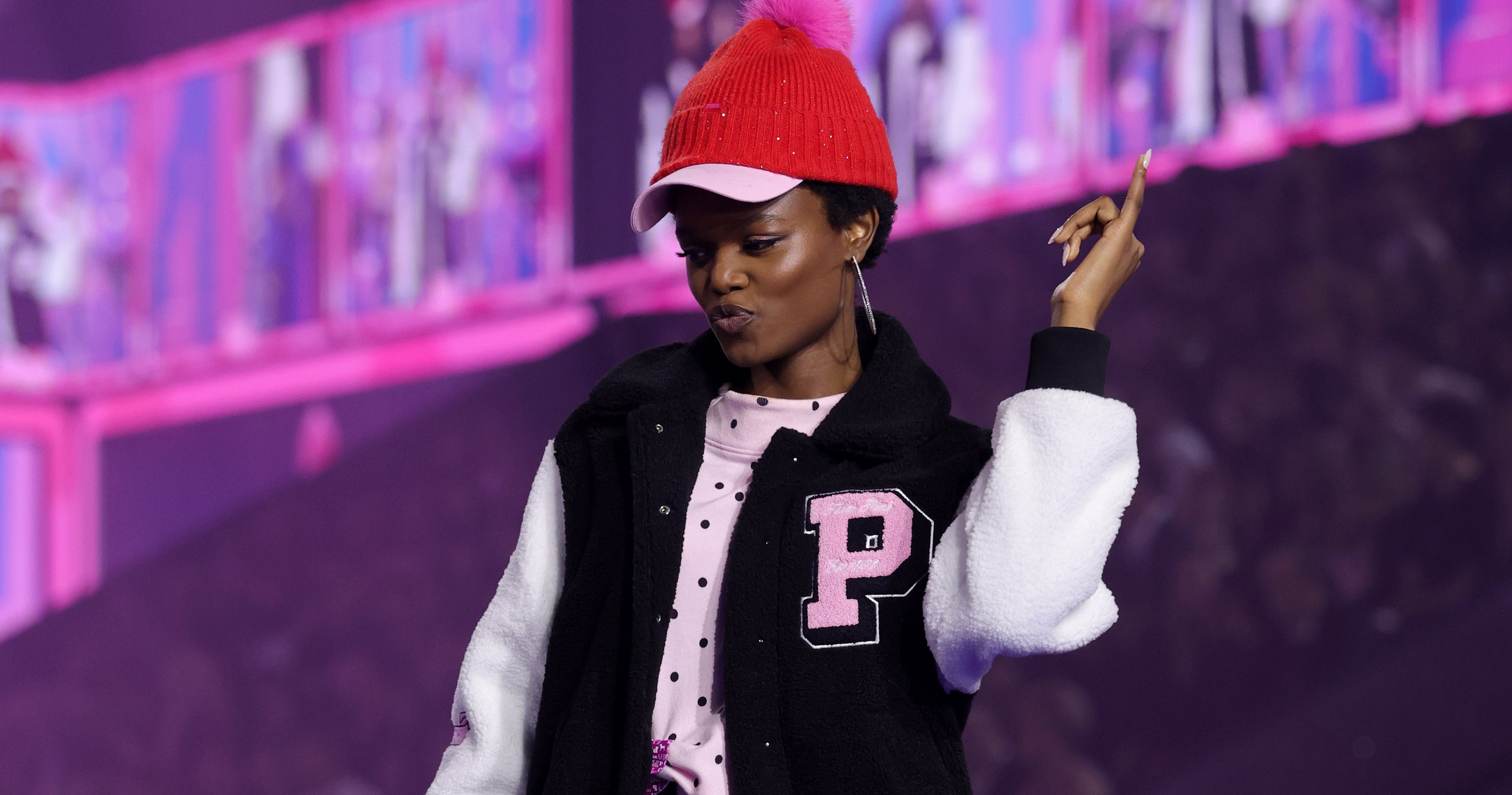
Stylist Carlyne Cerf de Dudzeele put together a set of looks for the PINK Halftime Show that read less like a lingerie brand’s runway moment and more like a deep dive into a very specific era of American girlhood. Oversized varsity jackets. Leopard-print sweats. Glittery shorts cut small. Knee-high socks styled with heels. Sequins in quantities that would make a Las Vegas showgirl take notice. The full effect landed somewhere between early-2000s mall culture and the kind of outfit you’d construct over an entire Saturday afternoon with nowhere specific to go.
Models Christine Bashombana and Gabriela Moura both walked the PINK segment, photographed by Frazer Harrison for Getty Images. The Halftime Show format gave the PINK collection its own distinct chapter inside a larger show that, under creative director Adam Selman, moved through the seasons as an organizing concept. PINK’s detour away from that structure was deliberate – sportier, louder, more interested in texture and charm (literally) than in any kind of seasonal narrative.
The Trends That Are Already Bleeding Into Real Life
Leopard print is not new. It has never been new. But the PINK runway moved it into sweatpants territory in a way that felt less like a fashion show conceit and more like something a person might actually wear to run errands or sit in an airport. That normalization of print in the most relaxed category of clothing is its own quiet shift – not dramatic, just persistent.
The belt charm styling is where things got genuinely strange in the best possible way. Bag charms have been running up the trend charts for a couple of years now, attached to totes and crossbodies with increasingly elaborate hardware. Moving the charm concept to a waistband – functional in no way, decorative in every way – takes the accessory completely off its designated surface. Whether that lands as fashion-forward or fashion-chaotic probably depends on your personal tolerance for maximalism.
Capris also appeared, which is a sentence that requires a moment. The capri pant has spent the better part of a decade in exile, associated in cultural memory with a specific early-2000s suburban aesthetic that fashion spent years trying to distance itself from. Their reappearance on a major runway in 2026 is either a genuine rehabilitation or a nostalgic provocation – possibly both. The PINK runway treated them without apology, which is probably the only way that works.
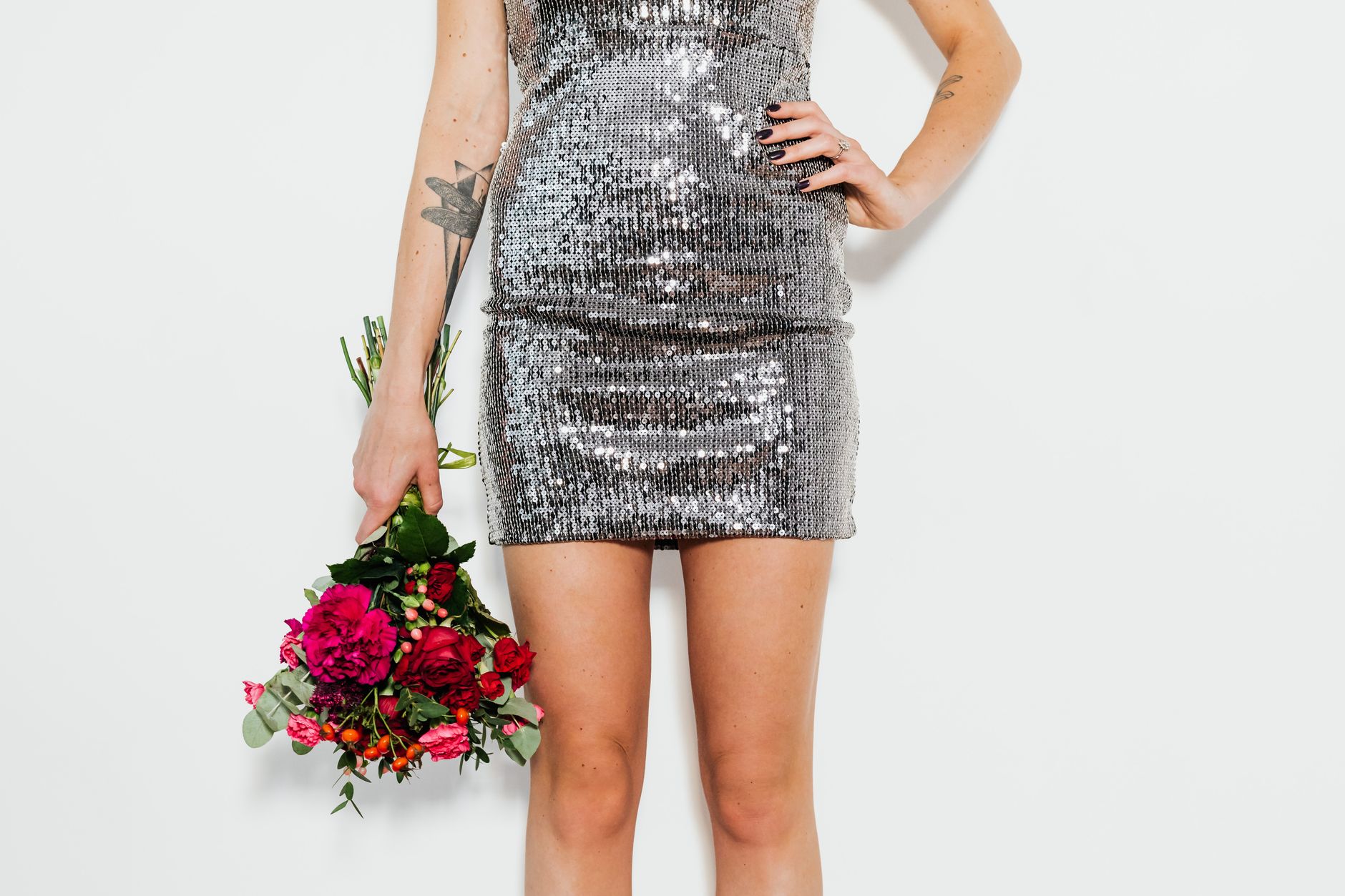
Then there’s the lounge-plus-sequins combination, which on paper sounds like a contradiction and on the runway looked like an argument worth having. Sequined fabric applied to the silhouettes of loungewear – the shapes people wear to do nothing – creates a specific cognitive dissonance that the show leaned into fully. It’s dressed up and checked out simultaneously, which is a mood that has been building in fashion for a few years now without a single look articulating it this cleanly.
The Shoppable Factor
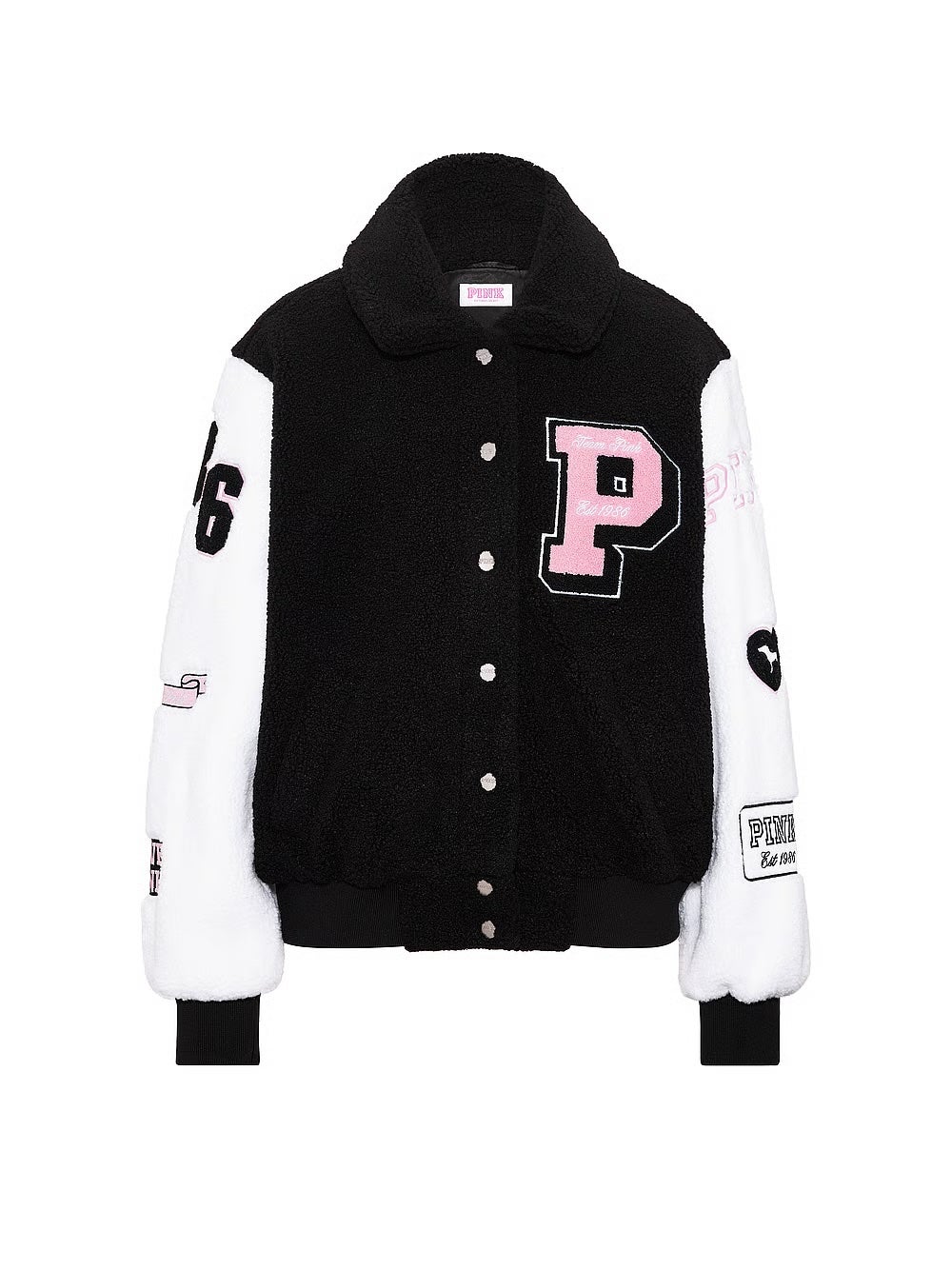
What separated the PINK segment from most of what appeared elsewhere in the show is accessibility. The $50 million Fantasy Bra is not something with a path to purchase for any living person outside of a very specific category of wealth. The varsity jackets and leopard sweats and charm-adorned waistbands? Those exist in forms you can actually buy, at prices that live in the real world.
That’s not a small distinction for a show that has historically functioned more as spectacle than as shopping guide. The PINK Halftime Show operated differently – as a display of things that are meant to be worn by people who have wardrobes rather than costume departments. That’s a different kind of aspiration, and in 2026, it might be the more interesting one.
Why the Sweatpants Won
There’s a version of the Victoria’s Secret Fashion Show conversation that’s always about the Fantasy Bra – the price, the stones, the names attached to it. That conversation is easy to have and forgets quickly. What tends to stick is something more specific: a styling choice that felt unexpected, a silhouette that rewired something in how you looked at your own closet, a show moment that was playful enough to be remembered without being so extreme it was only good as a talking point.
The charm-waistband sweatpants hit all of that. They were impractical, visually strange, and immediately identifiable as a specific creative decision rather than a generic runway filler. Cerf de Dudzeele built the PINK segment around that logic – details that feel like choices, not defaults. Selman’s broader show had its own ambitions, but the Halftime Show section functioned almost as a counterargument: the best thing on a $50 million runway was a pair of pants.
The real question is whether any of the charm-belt sweatpants make it from the runway to actual human bodies in the next six months – and whether they look as good outside a Los Angeles venue, on an ordinary Tuesday, as they did under those lights on October 18.