




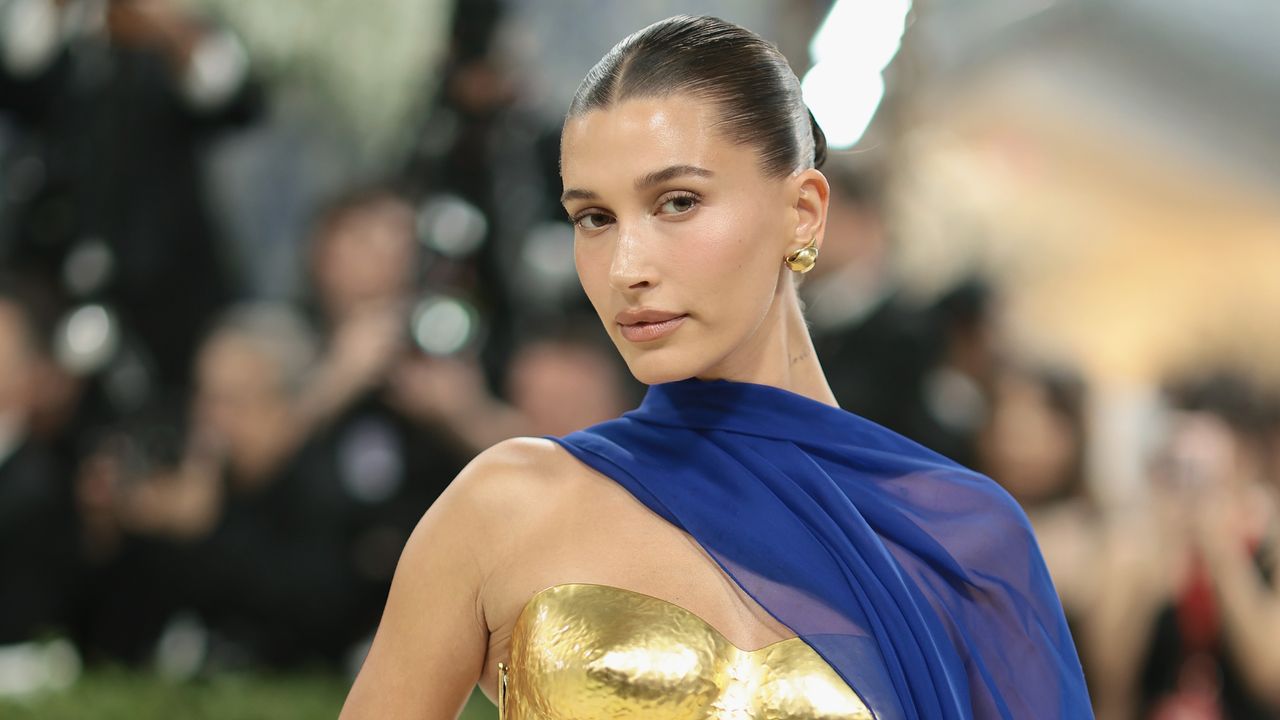
The slicked-back hairstyle carries an odd superpower: it makes you look like you have your life together, even when you absolutely don’t. One stylist described it as “the style equivalent of a really good night’s sleep” – a comparison that reveals why this particular look has endured through decades of changing trends.
Unlike other hairstyles that demand perfect conditions or extensive maintenance, the slicked-back approach works with what you have. Bad hair day? Slick it back. Running late? Slick it back. Important meeting with unwashed hair? You know what to do.
The Versatility Factor
What sets slicked-back styles apart is their chameleon-like ability to shift between contexts. The same basic technique that creates a boardroom-ready look in the morning can transition to evening sophistication with minor adjustments. Hair length, texture, and natural growth patterns become assets rather than limitations.
This adaptability explains why the style appears across such diverse settings. Wedding parties use it for formal photos. Musicians adopt it for stage presence. Office workers rely on it for professional polish. The core technique remains consistent while the final impression changes based on execution and context.
Technical Simplicity Meets Visual Impact
The mechanics of achieving a slicked-back look are surprisingly straightforward. Most versions require only a comb, some form of styling product, and basic hand coordination. Yet the visual impact often exceeds the effort invested – a rare combination in the world of personal grooming.
Product choice determines much of the final result. Pomade creates shine and strong hold but can appear heavy on fine hair. Gel offers control and works well for structured looks but may flake if applied incorrectly. Hair wax provides texture and flexibility while maintaining a more natural appearance. The wrong product can sabotage an otherwise solid technique.
Application method matters as much as product selection. Starting with damp hair helps distribute product evenly and prevents that crunchy, over-styled appearance that screams “I tried too hard.” Working the product through from roots to ends ensures complete coverage, while combing in the desired direction while the hair is still malleable sets the foundation.

The final step involves patience. Rushing the process or adding too much product to compensate for poor technique creates problems that become obvious as the day progresses. Hair that looks perfect immediately after styling but falls apart within hours usually indicates either product mismatch or application errors.
Cultural Staying Power
Fashion cycles typically consume hairstyles within a few years, relegating them to period pieces and nostalgic throwbacks. The slicked-back look defies this pattern by appearing consistently across different eras without feeling dated. Photos from the 1920s, 1950s, 1990s, and today show variations of the same basic approach.
This longevity suggests the style taps into something deeper than temporary aesthetic preferences. It projects competence, intentionality, and control – qualities that remain valuable regardless of current trends. The sleek lines and structured appearance communicate that the wearer has made deliberate choices about their presentation.
Modern Variations and Personal Adaptation
Contemporary approaches to slicked-back styling have expanded beyond the traditional rigid interpretation. Some versions incorporate texture, allowing natural waves or curls to show through the product. Others play with part placement or directional changes that create visual interest while maintaining the overall sleek aesthetic.
Face shape considerations influence which variation works best for individual wearers. Angular faces benefit from softer edges and less severe pulling, while rounder faces can handle more dramatic backward sweep. Hair density affects product choice and application technique – thick hair needs stronger hold products, while fine hair requires lighter formulations to avoid weighing down the strands.
The democratizing aspect of slicked-back styling means virtually anyone can adapt the basic concept to their specific hair type and lifestyle needs. Short hair can achieve the look with minimal product and effort. Longer hair creates more dramatic results but requires additional product and technique refinement. Even those with natural texture or curl patterns can incorporate slicked-back elements into their routine without fighting their hair’s natural tendencies.