





A 34-year-old marketing executive pays nearly $2,000 to spend five days at a Vermont camp making friendship bracelets, singing around campfires, and sleeping in bunk beds with strangers. Welcome to the adult summer camp phenomenon, where millennials shell out premium prices to relive experiences they could have had for free as children.
The adult camp industry has exploded in recent years, with companies like Camp No Counselors and Camp Grounded charging hundreds of dollars per person for weekends filled with activities like capture the flag, arts and crafts, and talent shows. These experiences promise to reconnect busy adults with their inner child, but they’re really just expensive attempts to purchase feelings that can’t be bought.
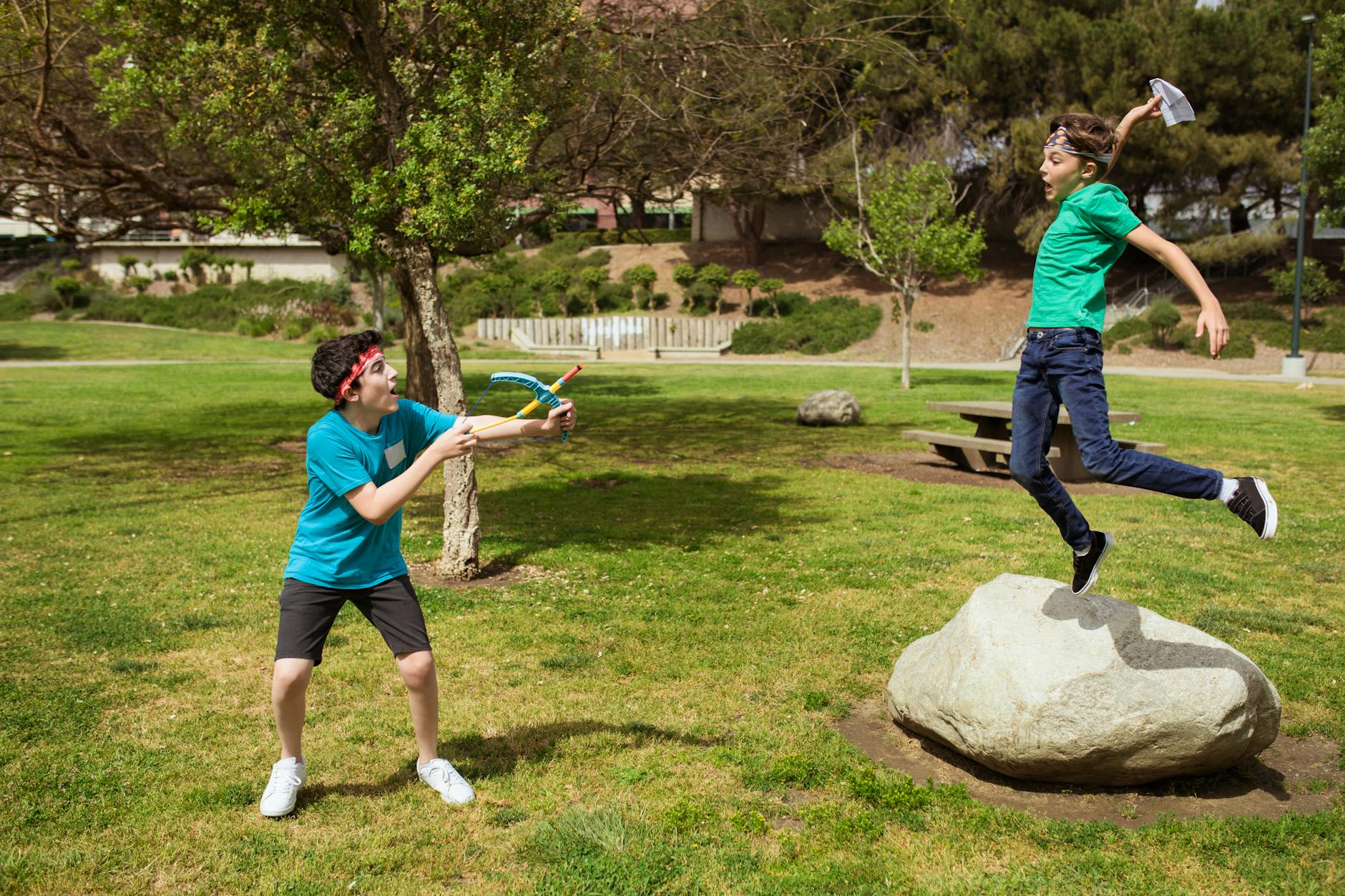
The Psychology of Purchased Childhood
Adult summer camps tap into a deep well of nostalgia, specifically for experiences many participants never actually had. The idealized version of summer camp – complete with lifelong friendships, profound personal growth, and magical moments under the stars – exists more in movies than in reality. Many attendees are paying premium prices to access a sanitized, Instagram-ready version of childhood that bears little resemblance to the messy, uncomfortable, and genuinely formative experiences of actual youth.
The camps market themselves as antidotes to modern life’s pressures, promising digital detoxes and authentic human connection. But this commodified authenticity comes with a hefty price tag and predetermined outcomes. Real childhood experiences were valuable precisely because they weren’t curated for maximum emotional impact or designed to fit into adult schedules. They included boredom, genuine conflict, and the kind of unstructured time that led to actual discovery.
The participants often describe feeling “transformed” by their camp experience, but this transformation is temporary and surface-level. Unlike the lasting impact of genuine childhood experiences that shaped personality and worldview over time, adult camp revelations fade quickly once participants return to their regular lives. The profound connections formed over a weekend of structured fun rarely survive the transition back to adult responsibilities.
The Commodification of Community
Perhaps most troubling is how these camps package community and friendship as purchasable experiences. The deep bonds that form during childhood summers developed over weeks or months of shared challenges, genuine vulnerability, and natural relationship building. Adult camps compress this process into intense but artificial weekend experiences that prioritize the feeling of connection over actual relationship depth.
The structured nature of these camps eliminates the organic development of real friendships. Activities are designed to maximize positive emotions and minimize conflict, creating a false sense of intimacy that participants mistake for genuine connection. The result is a collection of acquaintances who shared a manufactured peak experience rather than friends who know each other through both good times and genuine challenges.
This approach mirrors concerning trends across modern life, where authentic human experiences are increasingly being replaced by curated alternatives designed for consumption. Just as corporate meditation programs package mindfulness as productivity enhancement, adult summer camps reframe childhood wonder as an adult lifestyle product.

The Economics of Emotional Tourism
The financial barrier to entry reveals the fundamental inequality built into these experiences. While childhood summer camps often provided opportunities for kids from various backgrounds to interact and learn from each other, adult camps cater exclusively to those with significant disposable income. This creates homogeneous groups of privileged adults paying to simulate diversity and challenge that they’ve largely insulated themselves from in their regular lives.
The pricing structure itself undermines the supposed values these camps promote. Charging thousands of dollars for experiences centered on simplicity and authenticity creates an inherent contradiction. Participants are paying premium prices to temporarily escape the very economic system that enables their participation. The camps profit from manufactured scarcity around experiences that should be accessible to everyone.
Moreover, the adult camp industry benefits from participants’ inability to create meaningful experiences independently. Rather than organizing camping trips with friends or engaging in community activities that build genuine relationships over time, adults increasingly turn to packaged experiences that promise instant gratification. This learned helplessness around social connection creates a cycle where people become dependent on paid experiences for fulfillment.
Missing the Point of Childhood Growth
The most significant flaw in adult summer camps is their fundamental misunderstanding of what made childhood experiences valuable. Children attend camps during crucial developmental periods when their brains are actively forming neural pathways and their personalities are still malleable. The challenges, relationships, and discoveries that occur during these formative years have lasting impact because they happen at the right time in human development.
Adults attending camps are essentially trying to recreate developmental experiences after their development is largely complete. The brain plasticity and emotional openness that made childhood camp experiences transformative simply don’t exist in the same way for adults. What participants interpret as profound change is often just temporary emotional elevation that fades as quickly as it arrived.
The real value of childhood experiences lay not in specific activities but in the context of growth and discovery they provided. Adult camps focus on replicating activities while ignoring the developmental context that gave those activities meaning. It’s like trying to recreate the experience of learning to read by going through the motions of sounding out words as an adult.
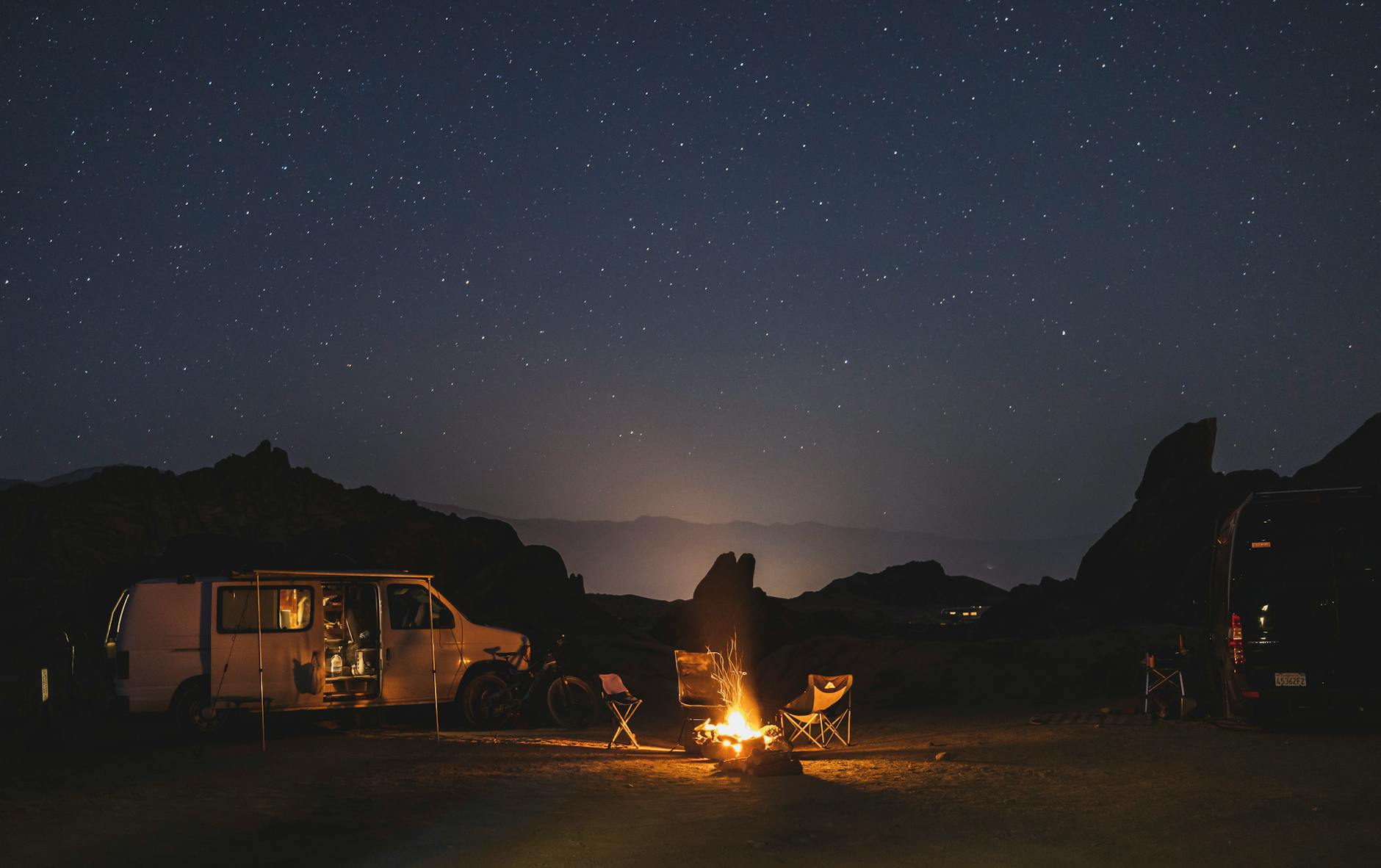
The adult summer camp phenomenon represents a broader cultural problem: the belief that meaningful experiences can be purchased rather than cultivated. While there’s nothing inherently wrong with adults wanting to play games or spend time in nature, framing these activities as profound personal development or authentic community building misses the point entirely.
True growth and connection happen through sustained engagement with real challenges and relationships over time, not through weekend retreats designed to maximize positive feelings. The money spent on these camps would be better invested in ongoing community involvement, skill development, or experiences that create lasting value rather than temporary emotional highs. As this industry continues to expand, it will likely join other forms of lifestyle tourism that promise transformation but deliver only expensive nostalgia for experiences that can’t be recaptured or purchased.
Frequently Asked Questions
How much do adult summer camps cost?
Adult summer camps typically charge between $500-$2,000 per person for weekend experiences, with some premium camps costing significantly more.
Are adult summer camps worth the money?
Adult summer camps offer temporary emotional highs but fail to deliver the lasting growth and authentic community they promise, making them poor value for money.