




The Ingredient Everyone’s Chasing
There are 38,100 TikTok posts about tretinoin right now. Not retinol. Not vitamin C serum. Not whatever glass-skin routine is cycling through the algorithm this week. Tretinoin – a topical prescription medication – has somehow become the most talked-about skincare product among people who cannot simply walk into a drugstore and buy it. That gap between desire and access is exactly where this conversation gets interesting.
NYC-based dermatologist Michelle Henry, MD, has been prescribing tretinoin for 15 years. She describes a “constant uptick in interest” that tracks directly with how much more educated the general public has become about what the ingredient actually does. That education, though, is happening mostly on social media – which is not the same as a dermatology consultation.
The hype is real. The prescription requirement is also real. Those two facts are on a collision course.
What Tretinoin Actually Does to Your Skin
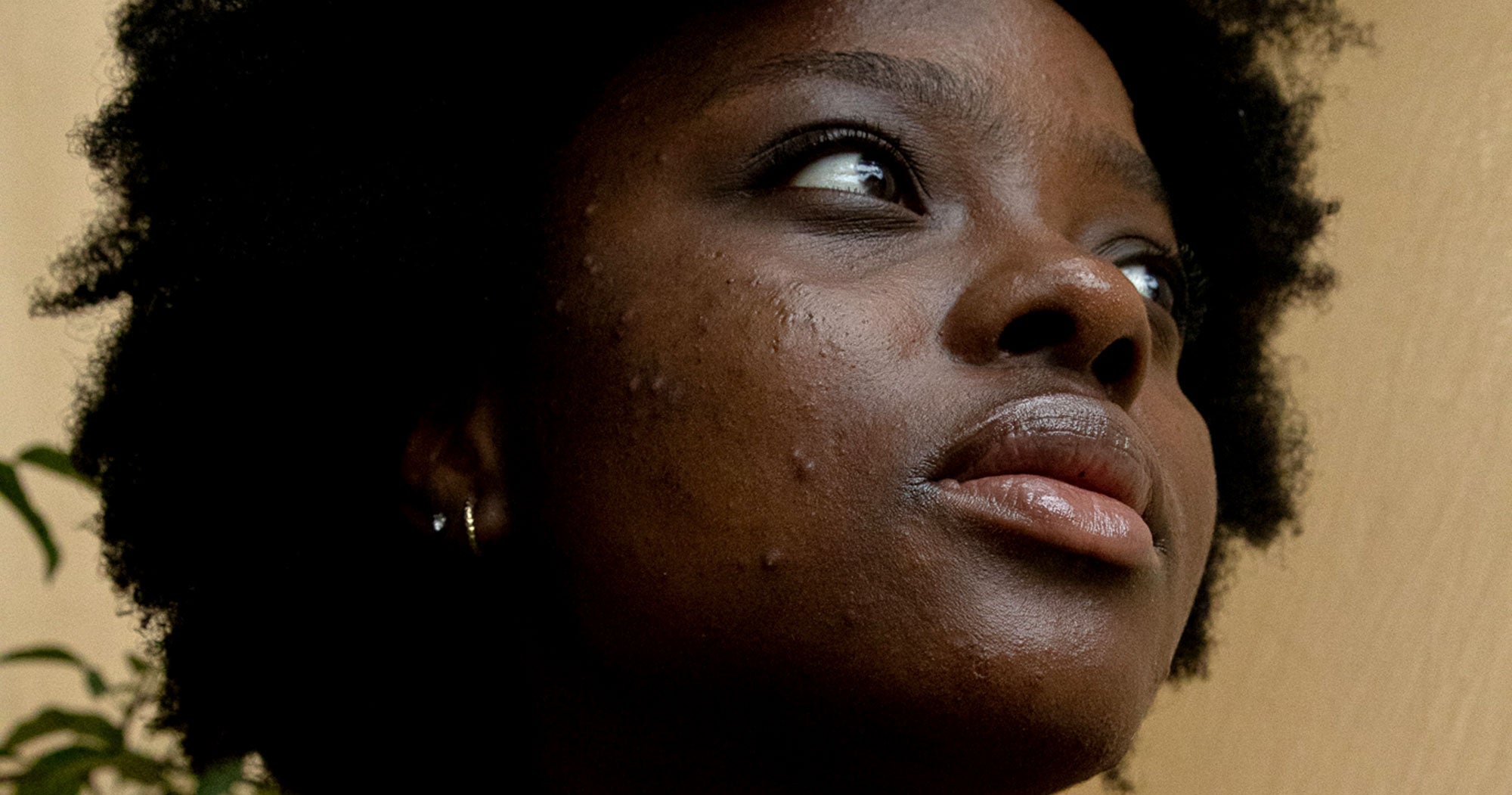
Tretinoin is topical retinoic acid, a derivative of vitamin A. Unlike medications such as Accutane or spironolactone – both of which are prescribed specifically to treat acne – tretinoin works across a broader range of skin concerns. It addresses fine lines and wrinkles, uneven skin tone, and hyperpigmentation by blocking tyrosinase, the enzyme responsible for producing skin pigment. It also treats acne in some people, but that’s almost a secondary consideration given how wide its functional reach actually is.
That breadth is arguably why it has spread so far beyond dermatology waiting rooms. Accutane carries serious side effects and requires a monitoring program. Spironolactone is a diuretic with a specific hormonal-acne application. Tretinoin, by contrast, promises visible anti-aging and skin-tone benefits to almost anyone who uses it correctly – which makes it appealing to a much larger audience than just teenagers dealing with breakouts.
Getting it still requires a dermatologist to write a pharmacy prescription and walk you through how to use it safely. That last part matters more than most TikTok posts suggest. Tretinoin is strong, and incorrect use – applying too much, skipping the adjustment period, or layering it with the wrong products – causes significant irritation. The barrier to access exists for reasons that go beyond gatekeeping.
Why London Esthetician Alicia Lartey Isn’t a Fan of the Viral Moment
London-based esthetician Alicia Lartey does not think tretinoin should have gone viral on TikTok. Her criticism is pointed: she describes it as “irresponsible” for influencers – most of whom, she notes, have no professional skincare background – to promote a prescription medication without adequately covering its risks or its access barriers. The enthusiasm online has far outpaced the nuance.
Lartey’s concern isn’t that tretinoin is bad. It’s that the version of tretinoin being sold on social media is a simplified, aesthetically appealing story about glowing skin, stripped of the actual clinical context. Tretinoin irritates skin during the adjustment phase. It increases sun sensitivity. It is not appropriate for everyone and, critically, it is not accessible to everyone – whether because of the cost of a dermatology visit, prescription copays, or geographic availability of specialists.
This is a pattern that skin preservation culture has been quietly building toward: clinical-grade ingredients migrating into lifestyle content, where the full picture – side effects, systemic barriers, medical supervision – tends to get edited out in favor of before-and-after results. The aesthetic is clean. The reality is messier.
The Over-the-Counter Question
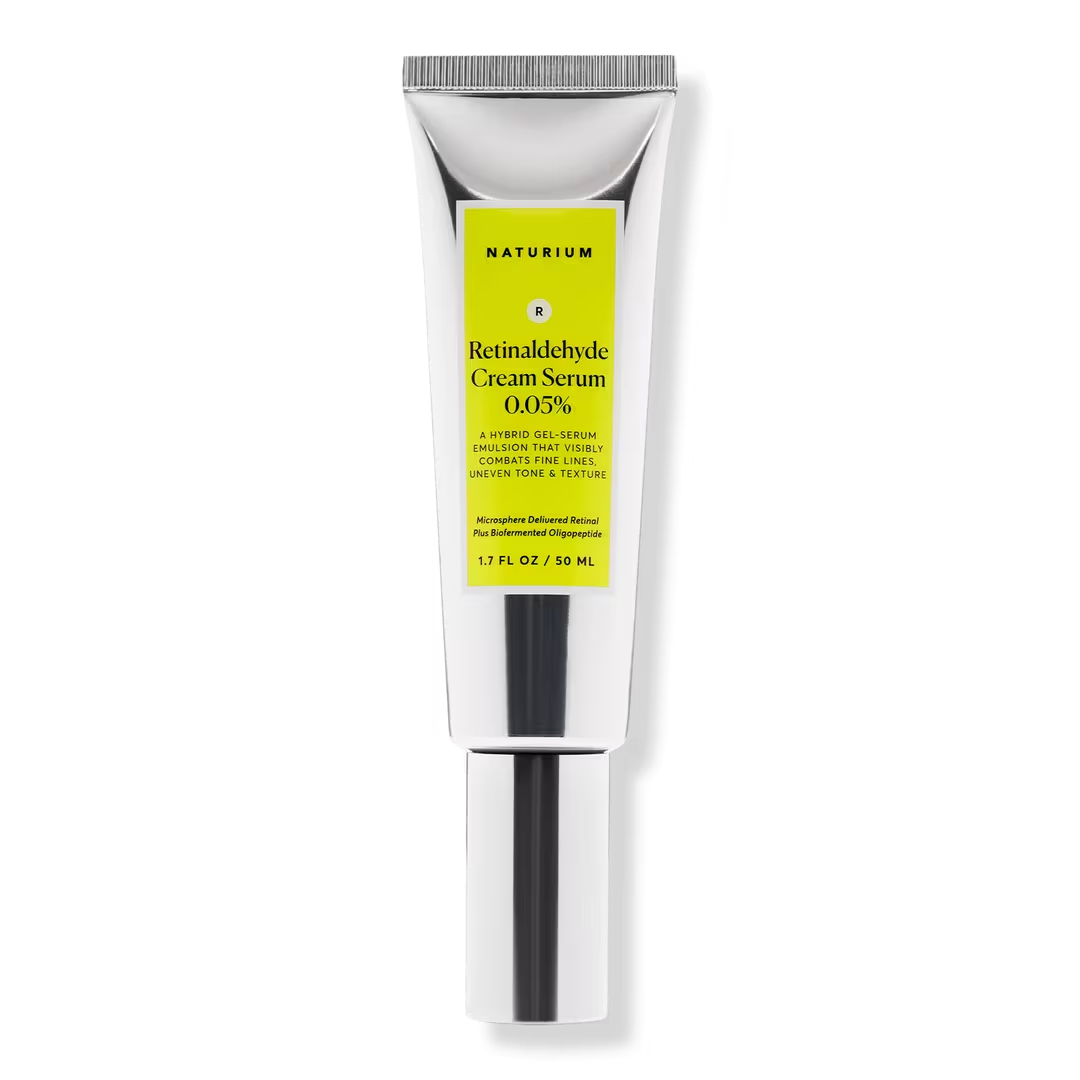
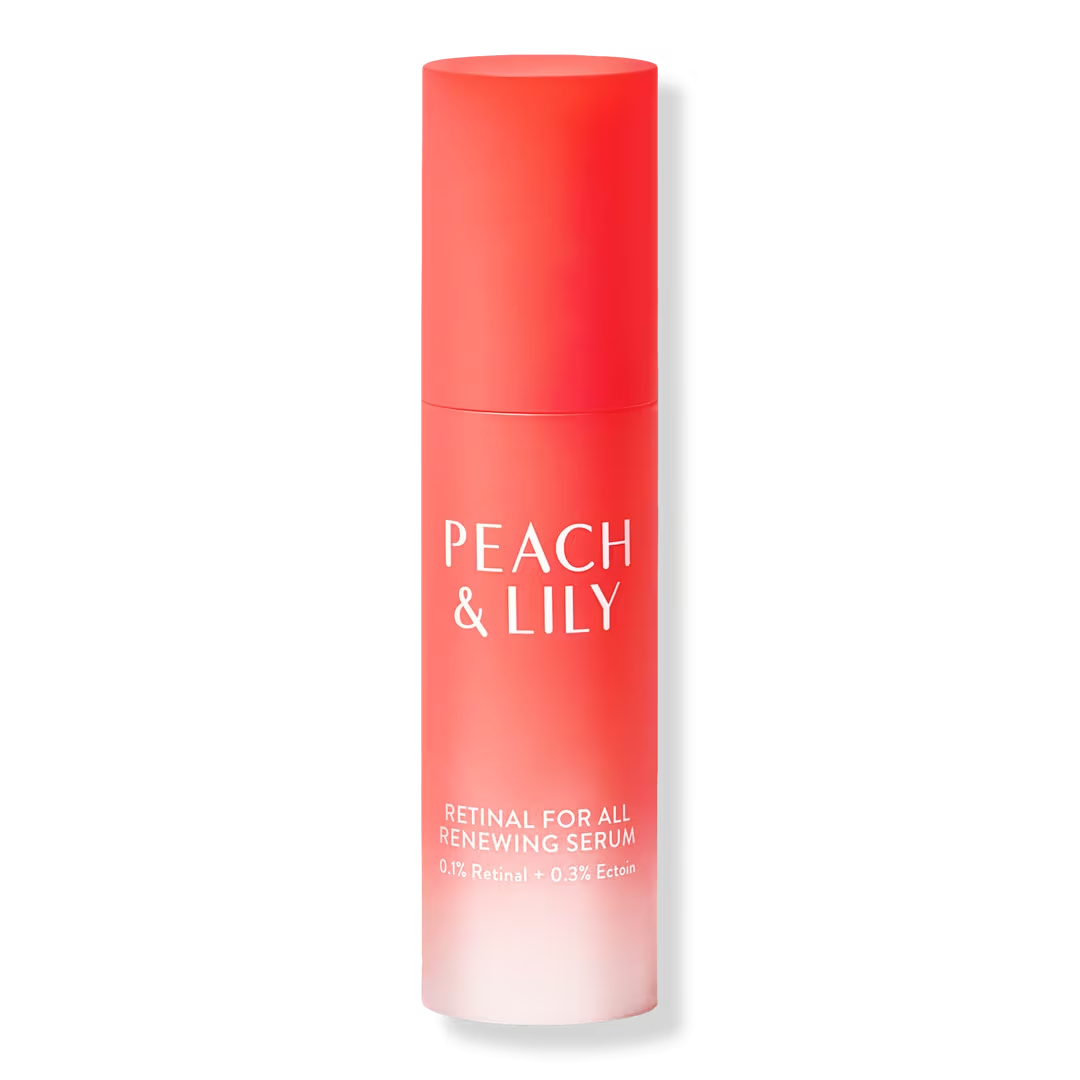
For anyone unwilling or unable to navigate the prescription route, the most commonly recommended alternative is over-the-counter retinol. Retinol is also a vitamin A derivative, but it converts to retinoic acid only after absorption – meaning it works through an additional metabolic step that tretinoin skips entirely. The result is a gentler effect, and a slower one, but without the prescription requirement or the intensity of initial side effects. It doesn’t do exactly what tretinoin does, but for many people it does enough.
The gap between retinol and tretinoin is real, but so is the gap between having access to a dermatologist and not. For a significant portion of the people currently watching tretinoin content on TikTok, over-the-counter retinol is the practical option – not because it’s inferior, but because the healthcare access required to get a tretinoin prescription is unevenly distributed in ways that a viral skincare trend cannot fix.
What TikTok doesn’t tend to show is the person who tried to self-navigate tretinoin without guidance, burned their moisture barrier, and spent three months repairing their skin. That content exists, but it doesn’t go as viral as the transformation videos.
Michelle Henry has watched interest in tretinoin build steadily over 15 years of prescribing it. What’s changed isn’t the ingredient – it’s the audience arriving at her office already convinced they need it, having diagnosed themselves through a 60-second video made by someone with no medical training and a very good ring light.