





Walk into any trendy wine bar in Brooklyn or San Francisco, and you’ll find the same scene: servers in vintage band tees pouring cloudy, funky-smelling wine into mason jars while explaining why this bottle of “natural” wine costs twice as much as anything else on the menu. The natural wine movement has exploded from niche curiosity to mainstream obsession, but beneath its earthy, authentic veneer lies an uncomfortable truth: it’s become the wine world’s most sophisticated form of gatekeeping.
Natural wine – made with minimal intervention, no added sulfites, and often unfiltered – positions itself as the antithesis of industrial winemaking. Proponents celebrate its authenticity, environmental consciousness, and connection to traditional methods. But scratch the surface, and you’ll find a movement that excludes more people than it welcomes, using complexity and price as barriers to entry while preaching accessibility.
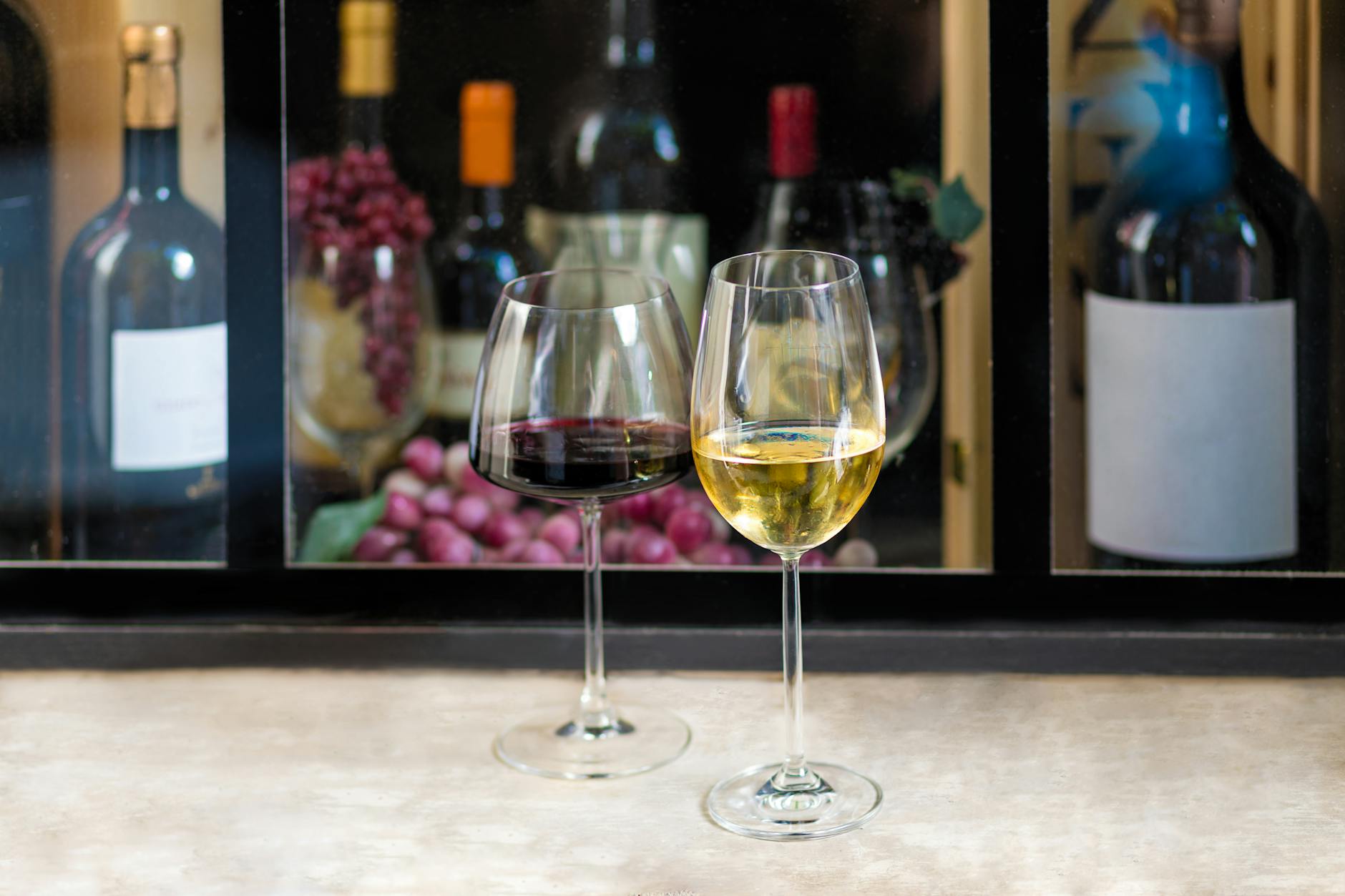
The Premium Price of Purity
Natural wine’s most obvious barrier is cost. A bottle that would sell for fifteen dollars if made conventionally jumps to thirty or forty when labeled “natural.” Sommeliers justify these prices by citing small production runs, labor-intensive methods, and artisanal craftsmanship. They’re not wrong – natural winemaking does require more hands-on work and often yields smaller quantities.
But the markup extends far beyond production costs. Natural wine has become a luxury signifier, a way for restaurants and wine bars to justify premium pricing through storytelling. The same dynamic plays out across industries – corporate mindfulness apps package basic relaxation techniques as revolutionary wellness solutions, while natural wine reframes traditional winemaking as cutting-edge authenticity.
This pricing strategy effectively locks out casual wine drinkers and younger consumers already struggling with inflated living costs. The movement that claims to democratize wine by rejecting corporate manipulation has created its own form of economic exclusion. A twenty-something can’t explore natural wine on a budget the way they might with conventional bottles, creating a generational divide masked as philosophical difference.
Wine shops compound this problem by clustering natural wines in separate sections, often with minimal tasting notes or guidance. Unlike conventional wines organized by region or grape variety, natural wines get their own mysterious corner, complete with cryptic labels and descriptions that assume extensive wine knowledge. The message is clear: this isn’t for beginners.
The Language of Exclusion
Natural wine culture has developed its own vocabulary designed to separate insiders from outsiders. Terms like “zero-zero” (no added sulfites, no added anything), “pet-nat” (petillant naturel), and “skin contact” create linguistic barriers that make newcomers feel excluded before they’ve even tasted a glass. Sommeliers speak reverently about wines with “Brett funk” or “volatile acidity” – characteristics that might register as flaws to uninitiated palates.
This specialized language serves the same function as any professional jargon: it creates in-groups and out-groups. Wine professionals can identify fellow travelers through casual references to Orange Wine festivals or debates about indigenous yeasts. Meanwhile, casual wine drinkers feel intimidated asking basic questions about why their glass tastes like a barn or whether that cloudiness indicates spoilage.
The aesthetic preferences of natural wine further alienate mainstream consumers. These wines often exhibit characteristics that conventional winemaking actively avoids: funky aromas, unusual colors, sediment, and flavors that challenge rather than please. Natural wine advocates frame these qualities as authentic expressions of terroir, but they create an immediate hurdle for anyone expecting wine to taste, well, like wine.
Social media amplifies this exclusivity. Natural wine Instagram accounts showcase moody photography of cloudy glasses against raw wood tables, accompanied by captions celebrating “authentic” flavors and “honest” winemaking. The visual language is deliberately austere and challenging, signaling sophistication through difficulty. It’s performance authenticity – the same kind of curated realness that celebrities use to market vulnerability as brand strategy.
Geographic and Cultural Barriers
Natural wine’s distribution mirrors broader patterns of cultural and geographic privilege. These wines cluster in expensive urban neighborhoods, trendy wine bars, and upscale restaurants. Finding natural wine in suburban chain stores or working-class neighborhoods remains nearly impossible, despite the movement’s claims about returning wine to the people.
This geographic concentration isn’t accidental. Natural wine importers and distributors focus on markets where consumers will pay premium prices for alternative narratives. The same bottles that command forty dollars in Manhattan might struggle to find buyers at twenty dollars in smaller cities. The movement has essentially self-selected for affluent, educated urban consumers who can afford to experiment with challenging flavors.
The cultural messaging reinforces these barriers. Natural wine marketing emphasizes European tradition, ancient methods, and artisanal craftsmanship – codes that appeal to consumers with cultural capital and disposable income. The movement positions itself against “industrial” winemaking, using language that suggests moral superiority rather than simply different production methods.
Even within cities, natural wine venues cultivate exclusive atmospheres. These aren’t neighborhood wine bars where locals grab a glass after work. They’re destinations for wine enthusiasts, designed more for pilgrimage than casual consumption. The staff expertise becomes part of the performance, with servers delivering mini-lectures about each bottle’s provenance and production philosophy.
The Authenticity Paradox
The natural wine movement’s greatest contradiction lies in its relationship with authenticity. While positioning itself as more honest and traditional than conventional winemaking, it has created elaborate structures of exclusion that feel distinctly modern and artificial. The emphasis on minimal intervention masks maximum cultural intervention – a complete reimagining of how wine should be consumed, discussed, and valued.
True accessibility would mean making these wines available at various price points, in diverse locations, with clear guidance for newcomers. Instead, natural wine has developed into a subculture with its own rules, aesthetics, and social signals. The movement that began as rejection of wine industry marketing has created its own sophisticated marketing apparatus, complete with influencers, festivals, and branded experiences.
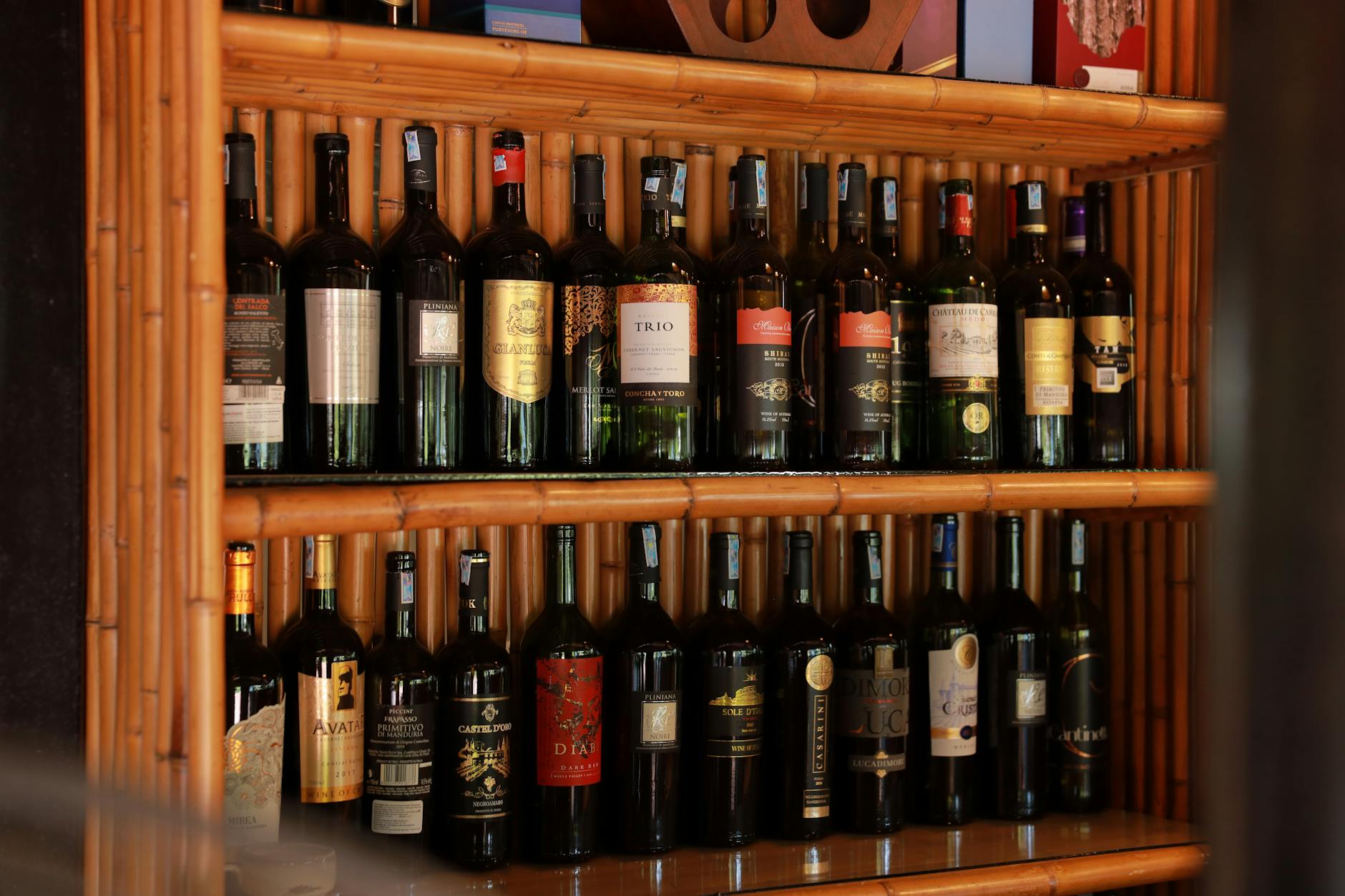
The irony extends to environmental claims. While natural winemaking does avoid synthetic additives and often embraces sustainable farming, the movement’s carbon footprint includes extensive international shipping to reach urban markets and frequent wine dinners featuring imported bottles. Environmental consciousness becomes another luxury good, available primarily to consumers who can afford to pay extra for their principles.
Looking ahead, natural wine faces a choice between maintaining its exclusive cultural position or genuinely expanding access. Some signs point toward broader adoption – major retailers are adding natural wine sections, and younger winemakers are exploring minimal intervention techniques at various price points. But the movement’s cultural DNA seems resistant to true democratization.
Until natural wine addresses its accessibility problems – in price, distribution, and cultural messaging – it will remain what it has become: an expensive way for wine enthusiasts to perform sophistication while claiming authenticity. The most natural thing about the movement might be its evolution into just another luxury market segment, complete with gatekeepers and barriers that keep most wine drinkers on the outside looking in.
Frequently Asked Questions
Why is natural wine more expensive than regular wine?
Natural wine costs more due to smaller production runs, labor-intensive methods, and premium positioning that uses storytelling to justify higher prices beyond actual production costs.
What makes natural wine different from conventional wine?
Natural wine is made with minimal intervention, no added sulfites, and often unfiltered, resulting in unique flavors and characteristics that conventional winemaking actively avoids.