



A 26-million-view Twitter clip of Olivia Rodrigo performing in Barcelona has turned a Génération78 babydoll dress into the latest battleground over how women should present themselves in 2026.
From Versailles to Viral Controversy
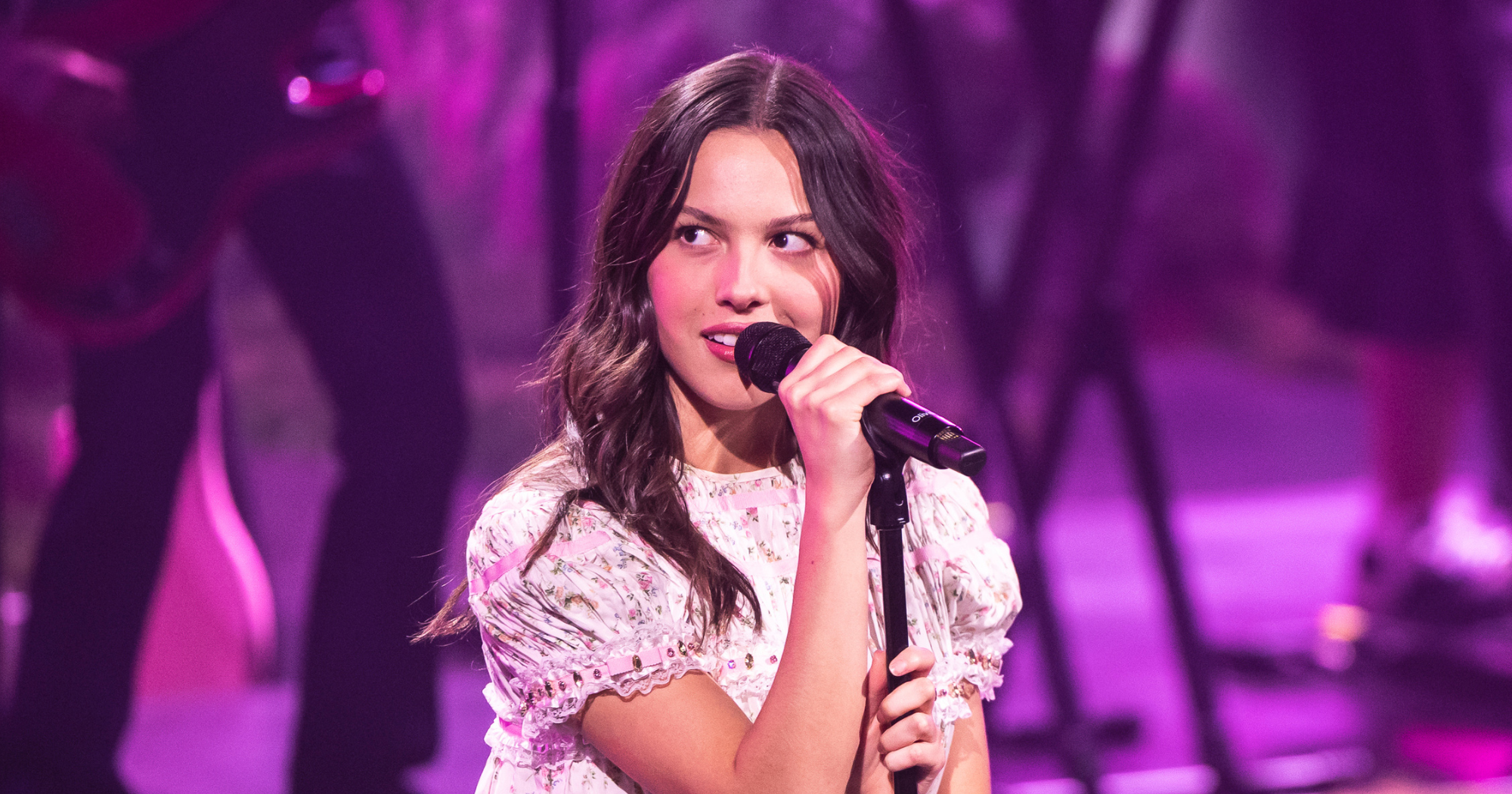
The 23-year-old singer wore a floral babydoll dress with ribbon detailing, lace frills, and matching bloomer shorts, paired with knee-high Doc Martens during her Barcelona performance this week. The outfit drew immediate fire on social media, with accusations that Rodrigo was “infantilizing and sexualizing” herself through the perceived childlike associations of the silhouette.
The controversy stems partly from Rodrigo’s recent “Drop Dead” music video, where she twirls through Versailles’ muraled halls wearing a lilac chemise and frilled bloomers from Chloé’s pre-fall 2026 collection. The vintage-undergarment-inspired styling channels Marie Antoinette’s opulence while nodding to ’60s icons like Twiggy and Jane Birkin.
But Rodrigo’s fashion inspiration runs deeper than pretty aesthetics. “I really love the idea of a babydoll [dress],” she told Vogue recently. “I just remember being younger and having pictures of Courtney Love and Kat Bjelland from all these riot grrrl punk bands in their babydoll dresses, just owning it.” The grunge lineage matters-babydoll dresses emerged from punk subculture as statements of defiant femininity, not submission.
The viral Twitter post that launched the debate included the caption “Maybe I’m just too woke” alongside footage of Rodrigo’s performance. The most-liked reply demanded: “Why TF is she dressing like a toddler? … Who the hell stans this kind of abhorrent behavior?”
When Fashion Becomes Cultural Lightning Rod
The backlash reveals how clothing choices by young female performers now carry outsized symbolic weight in discussions about sexuality, agency, and appropriate femininity. Critics argue the babydoll aesthetic, with its childlike proportions and innocent associations, sends dangerous messages about women’s roles and desires. Supporters counter that policing women’s fashion choices perpetuates the very patriarchal control structures feminism seeks to dismantle.
Elizabeth Whitehead, a cultural critic tracking the controversy, notes that “beneath the outrage sits a very real cultural anxiety” about how women navigate public spaces and self-expression. The anxiety, she argues, has simply been “aimed at the wrong target.” Rather than examining systemic issues around consent, power, and representation, the discourse focuses on individual clothing choices.
The timing amplifies the tension. In a cultural moment still processing high-profile revelations of large-scale sexual abuse, every fashion statement by young women gets scrutinized for its potential implications. What might have passed as a quirky vintage-inspired look five years ago now triggers debates about complicity, empowerment, and societal messaging.

The babydoll dress controversy also highlights generational divides in feminist thought. Older critics often view certain aesthetics as inherently problematic, while younger voices argue for reclaiming and recontextualizing traditionally “feminine” styles on their own terms. Rodrigo’s punk references suggest she understands this tension-riot grrrl bands deliberately played with childlike imagery as a form of subversion, not submission.
Social media platforms intensify these cultural flashpoints by stripping away context and nuance. A single performance clip becomes a referendum on feminism, youth culture, and appropriate public behavior. The 26 million views on the Barcelona footage demonstrate how quickly fashion choices transform into viral moral panic, especially when they involve young women in the public eye.
Beyond the Bloomer Shorts Debate
The broader implications extend beyond one dress or one performer. Young women in entertainment now face impossible standards-too revealing draws criticism for objectification, too covered invites accusations of prudishness, and anything in between gets dissected for hidden meanings and cultural messages.
Rodrigo’s choice to pair the babydoll dress with Doc Martens-footwear synonymous with punk rebellion-suggests a deliberate mixing of innocent and edgy aesthetics. Yet online discourse largely ignored this styling choice, focusing instead on the dress’s perceived childlike qualities and what they might represent about contemporary femininity.