



Fall’s haircut conversation has moved past the predictable – no more waiting to see what runways decree. This season, the cuts coming out of salons in London and New York have real specificity: a collegiate bob with invisible layering, bangs named after a fashion house, a pixie that owes nothing to the early 2000s.
Structure Is Back, and It Has an Opinion
The style drawing the most attention among colorists and cutters right now is what hair artist Tom Smith calls the varsity bob – a choppy, chin-skimming cut with subtle layers and a center part. The reference points are specific: Steph Hui and Millie Bobby Brown. Smith describes the effect as “polished but never prissy,” carrying what he calls a “cool collegiate energy – youthful without being childish and preppy without being stiff.” That combination is harder to achieve than it sounds.
What makes the varsity bob work technically is that the movement isn’t accidental. The flicky volume at the ends comes from invisible layers placed through the mid-lengths – a construction detail that looks effortless in photos but requires a stylist who knows where to place weight and where to remove it. The result reads as undone. It is not.
Celebrity hairstylist and colorist Dimitris Giannetos is pushing a different kind of specificity with what he’s calling Gucci bangs – a softly-parted, slightly grown-out fringe that he describes as “very fashion-forward and powerful.” He created the look for Demi Moore ahead of her role as the fictional character Barbara Gucci in the short film The Tiger. The reference is narrow enough that it functions almost like a brief: wispy curtain bangs sitting just below the brows, with face-framing pieces angling toward the ears.
The technical instruction Giannetos offers is worth noting: avoid a blunt cut by varying the length of the bangs across the face. That variation is what separates a dated fringe from something that reads current. A uniform line across the forehead closes the face. Graduated, slightly uneven lengths open it – and make grown-out phases far less painful to navigate.
The Bob Is Not One Thing Anymore
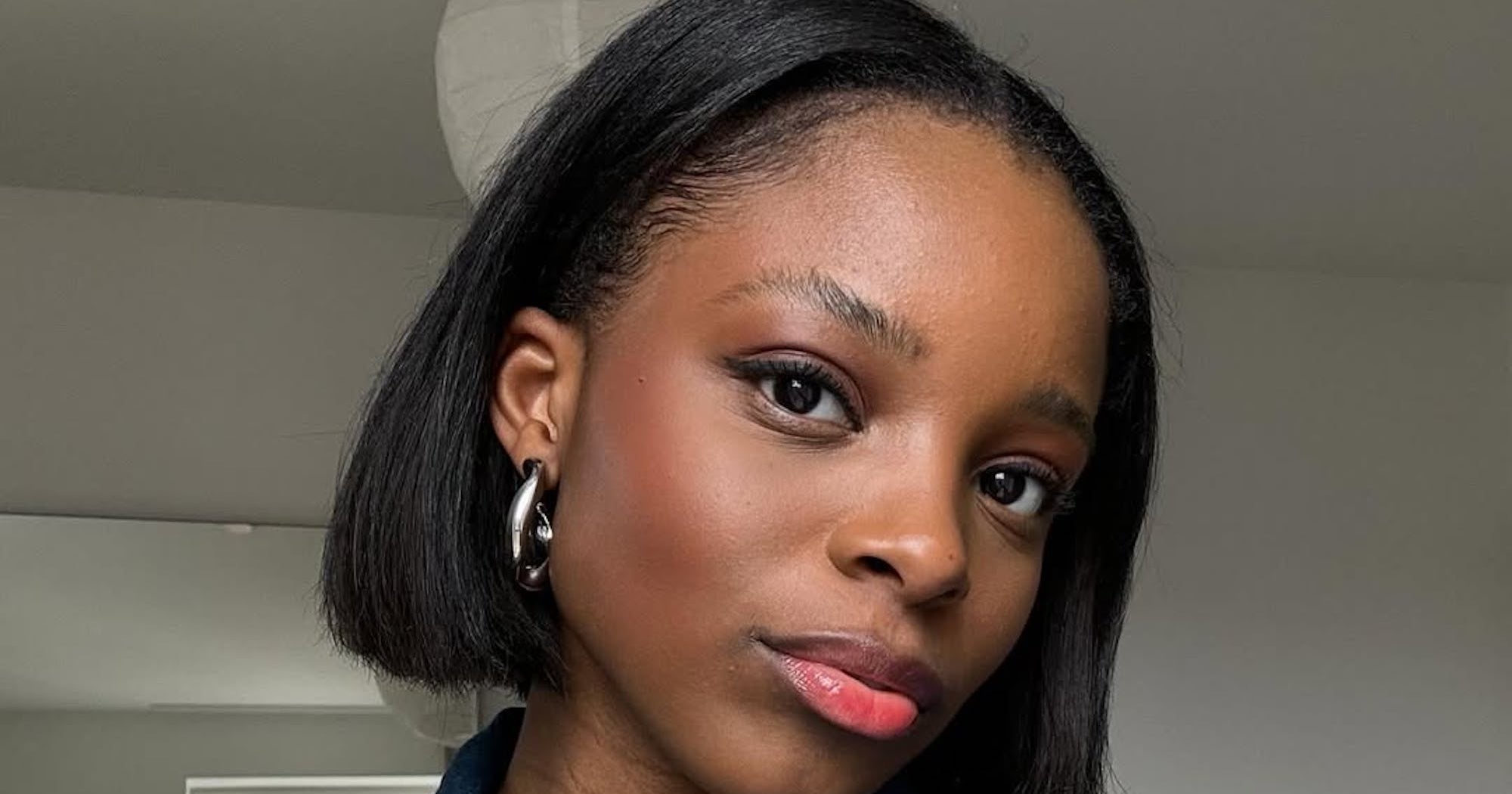
If there is a single cut dominating fall’s salon appointments, it is still the bob – but the word now covers enough ground to be almost meaningless without an adjective attached. The clean cut bob, associated with model Anok Yai’s striking short version complete with a blunt fringe, is the maximalist end of the spectrum: high contrast, sharp edges, no softening. It is a bold choice that draws attention to bone structure rather than working around it. Stylists note that the blunt fringe is the defining detail – remove it, and you have a different cut entirely.
Then there is the cloud bob, which operates on the opposite logic. Where the clean cut bob is architectural, the cloud bob is atmospheric – soft, rounded, and full at the crown. The silhouette is what gives it its name, and achieving it requires either natural texture or a significant amount of product and heat work to build the lift. For fine-haired clients, this is one of the more accessible volume solutions in the current crop of trends, because the shape does the heavy lifting rather than relying on density.
The J-shape haircut sits somewhere between those two poles – loose layers that fall into a rounded silhouette at the ends. The “J” refers to the profile of the cut when viewed from the side: longer through the back, curving up slightly at the front. It is a more relaxed update to the classic long bob, and it works particularly well for people who want movement without committing to heavy layering through the top.

For anyone tracking the broader direction these cuts are moving, the color shifts happening alongside them are relevant – chestnut and chrome tones are replacing butter yellow, and they interact differently with cut structure. Deeper, richer tones tend to make blunt cuts read even more graphic, while metallic shades like chrome amplify the softness in a cloud bob or varsity cut. The pairing is worth considering before committing to either.
The curve cut has been building momentum for several months already – it is a strategically layered style designed specifically to add volume to fine strands. Unlike the cloud bob, which achieves fullness through shape, the curve cut builds it through layering placement. The layers are positioned to push hair outward and upward rather than falling flat against the head. For anyone who has spent years watching their hair deflate by noon, this is the cut that addresses the structural problem directly rather than offering a temporary styling fix.
The Short End of the Conversation
The pixie crop is back on the table, and stylists are steering it away from the elfin, heavily textured versions that defined earlier iterations. The current direction favors cleaner lines at the sides and back with slightly more length through the top – enough to allow for some variation in how it’s styled day to day. It reads less like a statement cut and more like a considered choice made by someone who is done managing length.

What connects all of these cuts – the varsity bob, the Gucci bangs, the cloud bob, the pixie – is that each one requires a specific conversation with a stylist rather than a saved photo and a vague request. The varsity bob’s invisible layers need to be placed correctly or the flick disappears. The Gucci bangs need length variation or they flatten. The cloud bob needs the right internal structure or it collapses within an hour. Fall’s haircut trends are not difficult, but they are exact – and the difference between the reference photo and what you walk out with often comes down to whether your stylist understands the construction behind the look, or just the shape of it.