





Before the Roles, There Was Atlanta
Most people know Taylor Polidore Williams from her work on Beauty in Black and Reasonable Doubt – two shows that have put her squarely in the conversation about who’s defining prestige Black television right now. What tends to get less airtime is the chapter that came before all of it: four years at Clark Atlanta University, an HBCU that she credits, without hesitation, as the foundation of everything she’s built since.
Williams sat down with hosts Sandy Pierre and Kathleen Newman-Bremang on the Go Off, Sis podcast to talk about identity, ambition, and the specific kind of becoming that happens when you’re finally in a room where you’re not the exception. The conversation was candid, personal, and at times, sharply funny – three women who’ve each had to fight for their seat, comparing notes.

What an HBCU Actually Does for You
Williams is direct about what Clark Atlanta gave her: “It’s such a huge part of what has helped me find my voice, my confidence.” That’s not a vague sentiment – she means it structurally. She points to the environment itself as the differentiator. “The experience of going to an HBCU is like no other, just because I think it’s one of the only places in the world literally where your race isn’t a factor.” When you’ve grown up navigating spaces where your presence requires constant explanation, landing somewhere that simply doesn’t operate that way changes the baseline of what you expect from the world.
She’d started acting before CAU, yes – but Atlanta as a city, and the university specifically, shifted something in how she moved through the work. Her drive wasn’t just tolerated; it was met. Professors pushed back. Peers competed. Failure had somewhere to land. “When you know yourself, and you’ve had the experience to come into your own and try things out and fail, and having professors be like, ‘you can do better than that’ – that type of refinement lets you come into the world with ‘I might face all these different things, but I know in this community I’m seen.'”
That sense of being seen isn’t decorative. For anyone who has spent significant time in predominantly white institutions – academic or professional – the psychological tax of perpetual visibility is real. Williams is describing its opposite: a place where she could stop managing perception and start developing craft. Those aren’t the same project, and trying to do both at once tends to hollow out the second one.

On Ambition and What It Costs
“Some things you only learn through experience; I don’t regret the ambition I had back then.” That’s a sentence worth sitting with. Regret-free ambition isn’t the default female narrative – we’re more accustomed to stories about women who pushed too hard and paid for it. Williams isn’t performing that shape. She’s saying the drive was worth it, and that the losses along the way were part of what made her legible to herself.
Where she is now, she says, is about precision. “Right now the goal is specificity in my journey.” Not more, not louder – more targeted. That’s a mature creative instinct, and it tends to show up in artists who’ve already proven something to themselves and are no longer trying to prove it to anyone else.
From Personal History to Structural Change
Williams’s current work outside of acting is anchored in Shelter Rock Foundation, which focuses on supporting youth in the foster care system. The organization recently launched a housing scholarship for three media arts students at Clark Atlanta – a move that’s practical almost to the point of being blunt. Rent in Atlanta is high. Creative work requires mental bandwidth, and financial precarity eats that bandwidth fast. Giving students a stable roof is giving them conditions under which actual artistry becomes possible.
There’s a throughline here that’s worth naming: Williams is building for the person she used to be. The HBCU that gave her room to fail safely, the professors who told her she could do better, the city that didn’t demand she shrink – she’s now constructing some version of that for the next wave. A scholarship for media arts students isn’t a symbolic gesture. It’s a direct intervention in the economic conditions that keep young creative people in survival mode instead of development mode.
Pierre and Newman-Bremang brought their own stories to the table – fighting for internships, the slow climb, the disorienting realization that at some point, you became the senior person in the room without fully noticing. That shift is strange for anyone, but especially for women who spent years watching the adults around them and wondering when they’d feel like one themselves. Williams, Pierre, and Newman-Bremang are all somewhere on the other side of that line now, which gives the conversation a particular texture: not mentorship exactly, more like mutual recognition.
Williams describes the inflection point without dressing it up – there’s a moment when the question stops being “will someone give me a chance?” and starts being “what do I actually want to do with the chances I have?” The shift from scarcity thinking to specificity is what she’s pointing at. For the three media arts students at CAU who will receive housing support through Shelter Rock, that shift might arrive a few years earlier than it did for her – and with fewer detours.
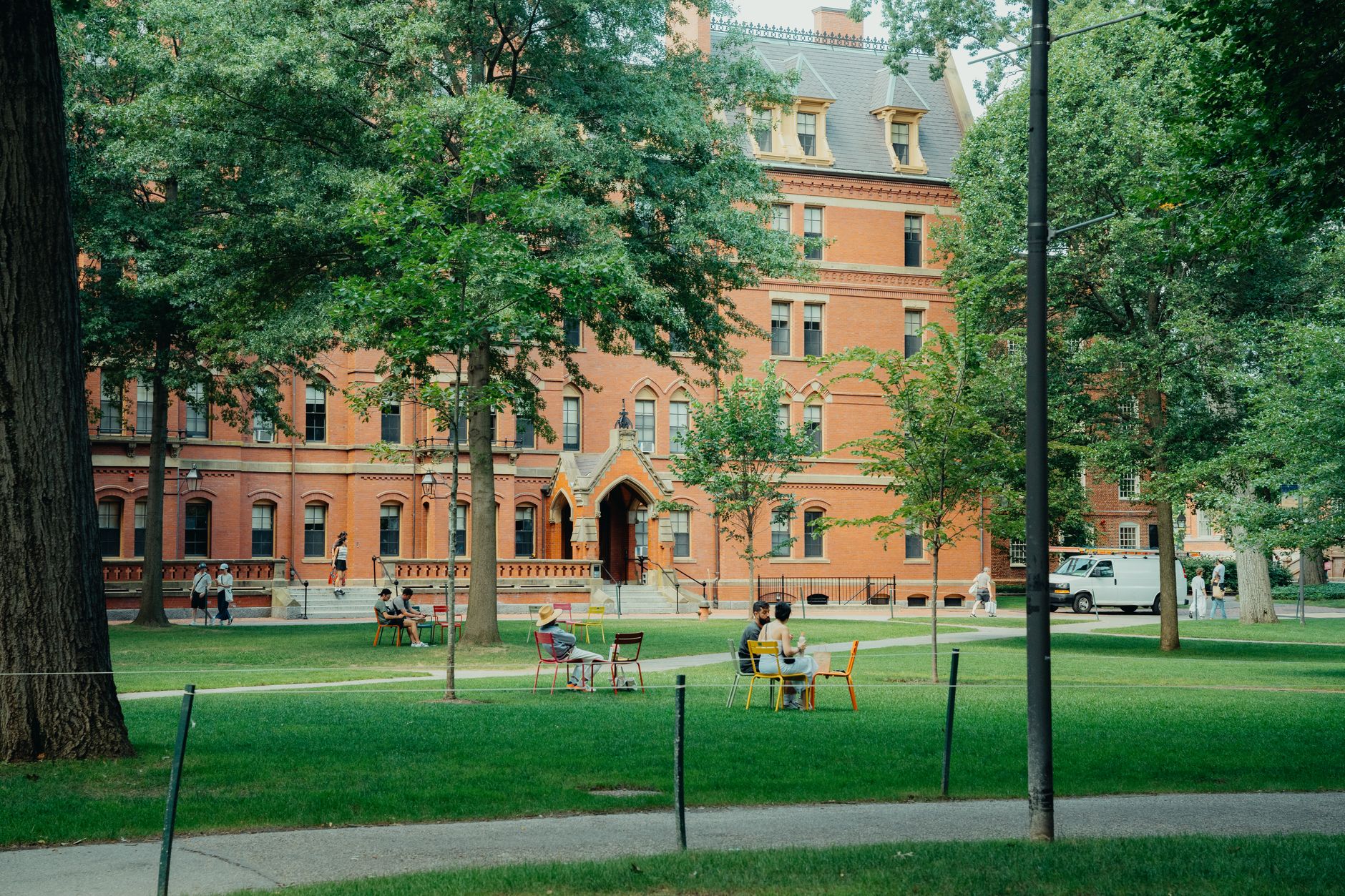
Clark Atlanta’s media arts program now has a housing scholarship because one of its alumni decided that talent without stability is just potential with an expiration date. Whether three scholarships changes the pipeline in any measurable way is a question the foundation will have to answer over time. What’s not a question: Williams knows exactly what she’s trying to solve for.