





The Fruit That Actually Works in October
Fruity perfumes have spent years fighting an image problem. The category gets filed under “young,” “light,” and occasionally “headache-inducing at close range” – fair critiques when the dominant notes are synthetic mango or neon-bright raspberry. But this fall, plum is pulling the category somewhere different: darker, more textured, and considerably less likely to be mistaken for a body spray from 2004.
Plum earns its seasonal relevance because of what it does structurally in a fragrance blend.
Unlike peach, which reads almost universally warm and soft, plum carries genuine range. Depending on how a perfumer handles it, the note can land candied and syrupy, tart and mouth-watering, or shifted toward something almost smoky and wine-dark. That flexibility is exactly why the note pairs so well with woods, amber, spice, and musk – accords that would swallow a lighter fruit whole but give plum something to push against. The result is a fruit-forward fragrance that doesn’t apologize for being adult.

What’s Actually Launching Right Now
Two releases are anchoring the plum moment this season. Ellis Brooklyn just launched Plum Tonic Eau de Parfum, built around juicy plum balanced with tart rhubarb and pink pepper at the opening – a combination that reads bright and garden-fresh rather than dessert-heavy. As it dries down, warm vanilla and a skin-like musk take over, softening the whole thing into something creamy without veering into saccharine. It’s the kind of scent that works at 10 a.m. and doesn’t feel wrong at 10 p.m.
Valentino also just added a plum-forward entry to its Donna Born In Roma family, a line that already had strong footing in the market. The addition signals that plum isn’t being treated as a niche experiment – it’s landing inside established fragrance franchises, which is usually when a note stops being a mood board trend and starts showing up at department store counters.
Both launches land at a moment when the broader fragrance market has been pushing away from the clean-laundry defaults that dominated the early 2020s. There’s appetite for something with density. Plum, at its best, delivers that without crossing into the oppressive territory that made gourmand fragrances feel exhausting. The seasonal shift in what people reach for has been building since late summer, and plum fits neatly into that appetite for transition-weather scents that feel intentional rather than default.
Six Directions the Note Can Go
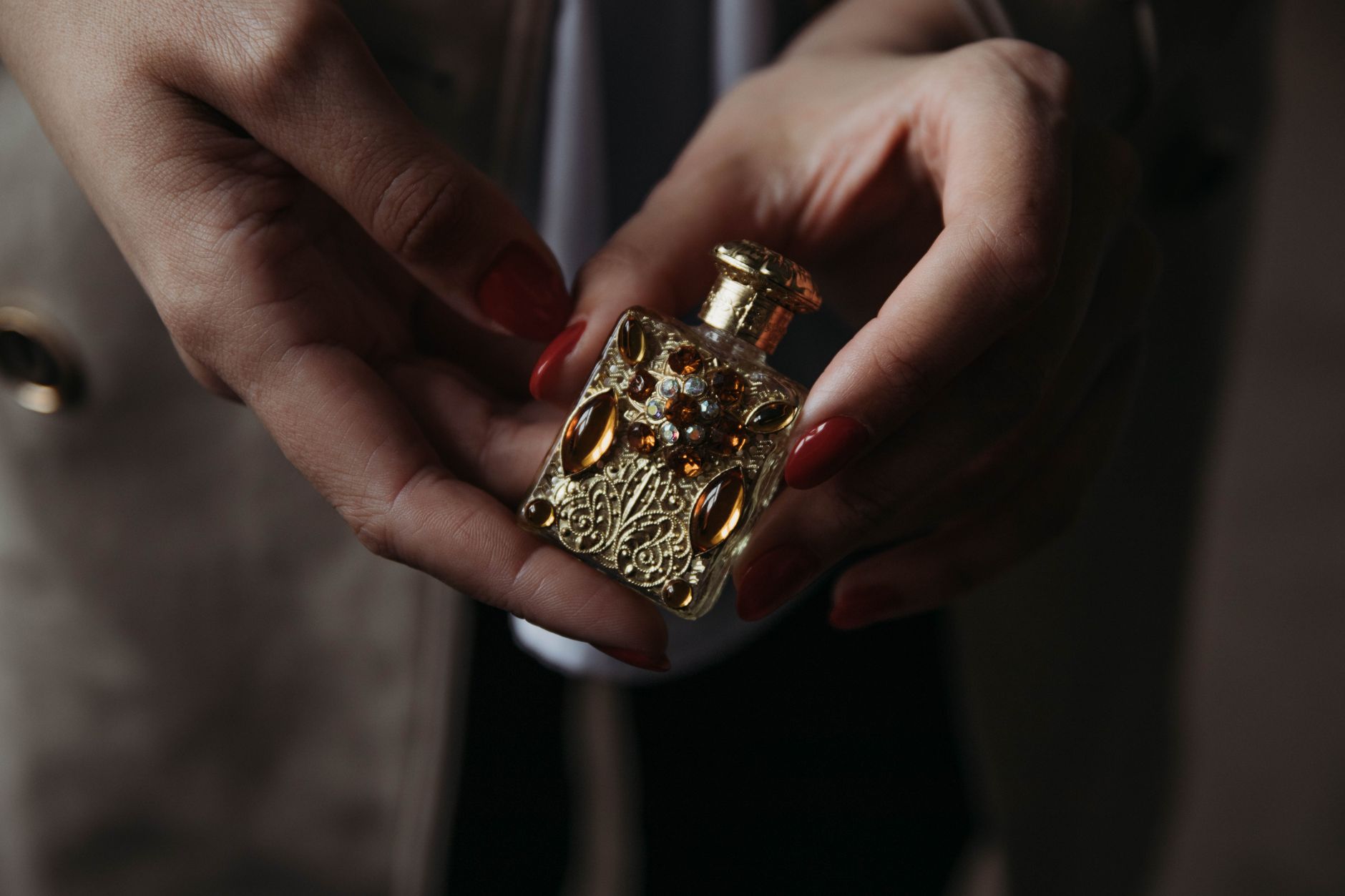
What makes plum particularly interesting as a trend note is that it doesn’t enforce a single mood. Refinery29’s current roundup identifies six distinct plum scents worth trying this fall, and the spread is wide enough that two plum perfumes can smell almost nothing alike. One might lean into the candied, almost jammy register – think dark fruit preserves and warm spice. Another might play the tartness up, keeping things bright and slightly acidic in a way that feels closer to a cold-weather citrus than anything approaching dessert.
The smoky, boozy interpretation is the most interesting direction because it’s where plum stops functioning as a fruit note entirely and starts reading as a mood. Blended with woods and musk, that version of plum pulls toward the same atmospheric weight as oud or patchouli, but without the polarizing intensity those notes carry. It’s dark without being difficult.
For anyone who gravitates toward playful, high-contrast fragrances, plum also works in the juicy-sweet register when it’s handled well. The difference between a plum scent that feels grown-up and one that doesn’t usually comes down to the base: skin musk and amber push it toward something wearable across contexts, while a heavy synthetic base drags it back toward the body-spray associations the category is trying to escape. The Ellis Brooklyn version threads that line well, using vanilla and musk to ground the fruit without making the whole thing smell like a candle.
Why This Note, Why Now
Stone fruits in general have been circling the fragrance conversation for a while – peach had its own extended moment, and fig has been a quiet staple in niche perfumery for years. Plum’s arrival as a mainstream-facing note makes sense as the next step in that arc: it offers everything peach does in terms of juiciness and approachability, but the darker flavor profile translates into more olfactory complexity, which is what makes it fall-appropriate rather than strictly a warm-weather story.
The other factor is that perfumers have more room to work with plum’s versatility than they do with, say, strawberry or watermelon, which tend to flatten out once you get past the top notes. Plum has a natural depth that carries through the dry-down, which means the scent you get an hour after applying still has a relationship to what you smelled in the bottle. That staying power matters more in cooler months when fragrance tends to sit closer to the skin.
Refinery29 is already calling it: plum scents are about to be everywhere. Given that both a direct-to-consumer brand like Ellis Brooklyn and a luxury house like Valentino are pushing the note at the same moment, the category alignment is already there. The question now is whether the plum releases that follow can find genuinely distinct angles on the note – or whether the market floods with variations that all smell like the same well-intentioned fruit salad.