


New York Takes the Wheel
New York Fashion Week kicked off September 9, and the sidewalks shifted almost immediately. While Copenhagen set an early-season tone with exaggerated toe shoes and loosely styled hair, Manhattan’s version of fashion month arrived with something harder to categorize – a density of references, body types, aesthetics, and income brackets that no other city on the circuit replicates.
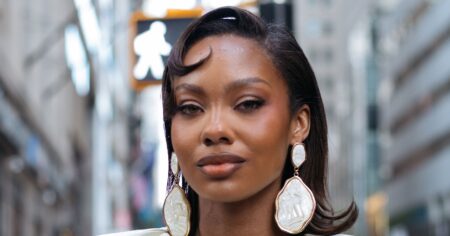
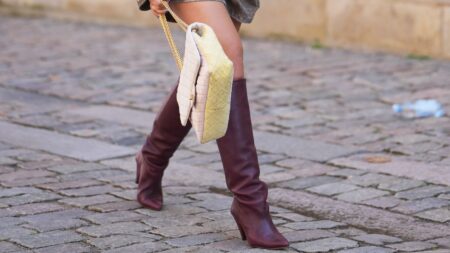
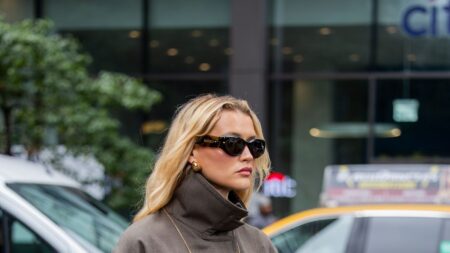
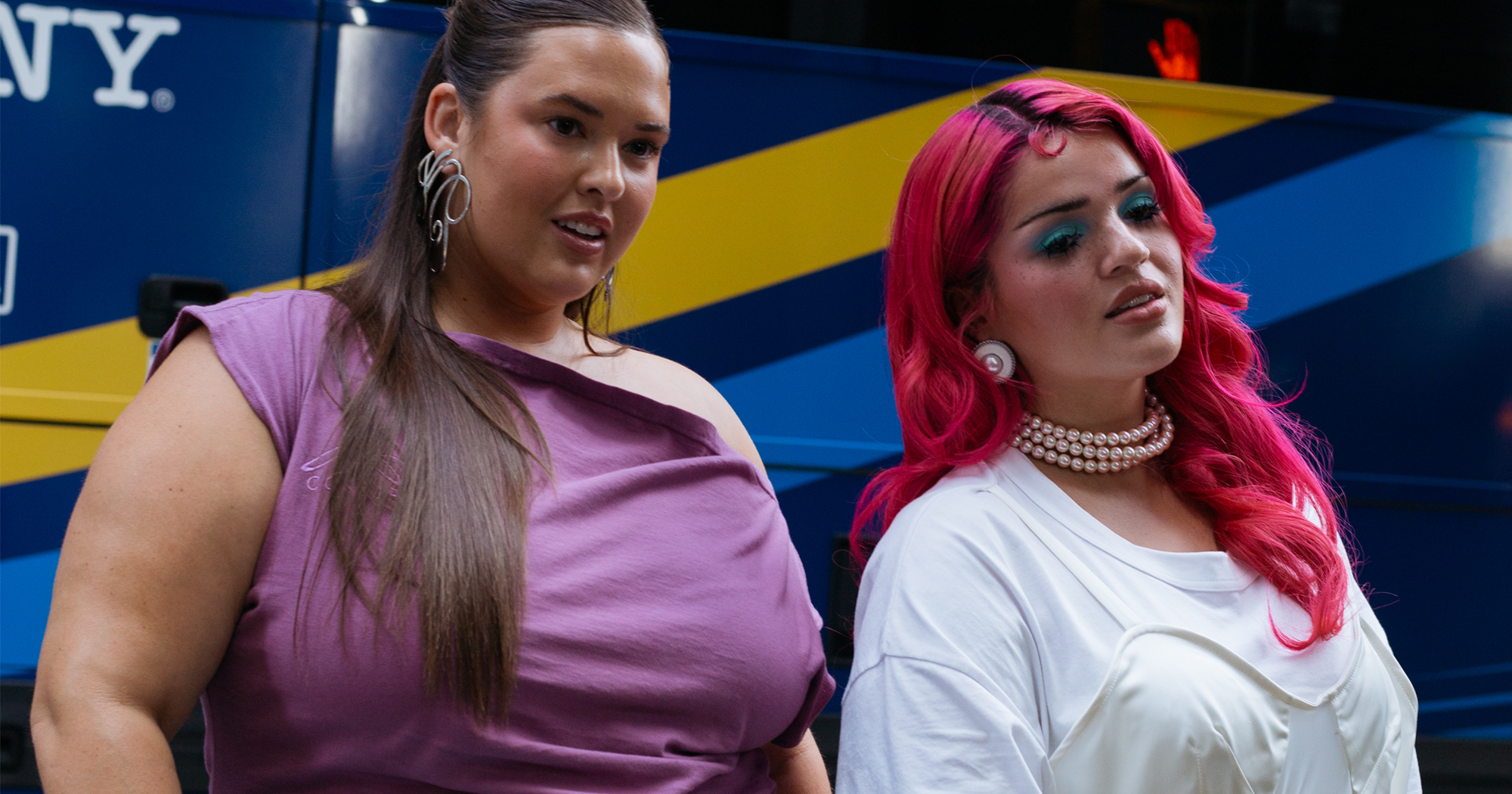
Photographer Flordalis Espinal has been stationed outside the shows, documenting the crowd that gathers around Christian Siriano, LoveShackFancy, Aknvas, Kim Shui, Private Policy, Selkie, The Blondes, and Christian Cowan. Her lens has landed on models, editors, front-row celebrities, and influencers – all layering fall-weight clothes in September heat for runways previewing Spring/Summer 2027.
Who’s Actually Showing Up Outside the Tents
The mix of showgoers at NYFW has always been part of the spectacle. Fashion editors in structured blazers stand next to influencers in sheer skirts. A model fresh from a fitting wears something deconstructed and barely there. A celebrity arriving at the Christian Cowan show has clearly thought harder about their entrance than most people think about anything all year. It creates an accidental editorial – competing visions of what dressing well even means, compressed into a single block in real time.
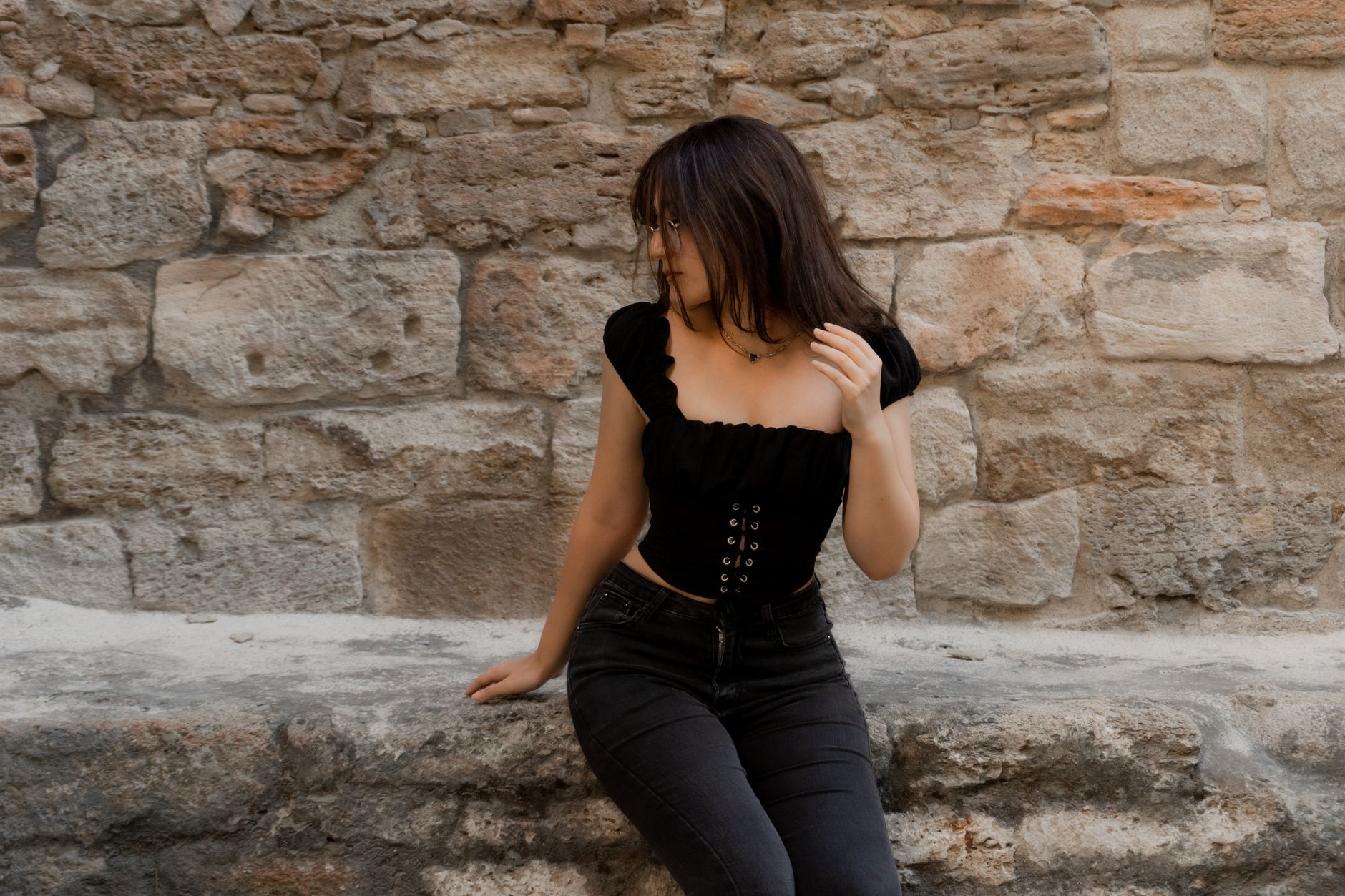
What Espinal’s photography pulls out of that chaos is the wearability. These aren’t looks built for editorial fantasy. The street style circulating outside the Aknvas and Kim Shui shows skews experimental but not unwearable – a distinction worth making, because the difference between “interesting” and “actually useful as outfit inspiration” is where most runway-adjacent fashion fails the average person. The looks here walk that line deliberately.
The fall-dressing-for-spring-previews paradox is its own genre at this point. Showgoers in September are technically there to watch clothes designed for April and May, but they’re arriving in what they own right now – which means the street style calendar runs about six months behind and six months ahead simultaneously. A leather coat outside the LoveShackFancy show isn’t predicting anything; it’s just Tuesday in New York when you have somewhere to be.
What the Runways Are Pulling Against
The shows themselves are anchored by a range of house identities that don’t have much overlap. Christian Siriano tends toward volume and drama. LoveShackFancy has built its entire identity on maximalist femininity – florals, ruffles, a specific kind of nostalgic softness. Selkie operates in a similar emotional register. Private Policy and Kim Shui bring a harder edge, more interested in provocation than prettiness. Aknvas, under designer Chris Bevans, sits somewhere between conceptual and commercial. Christian Cowan goes full spectacle. The Blondes keep it quieter, more wearable in the conventional sense.
That spread means the audience dressing to attend these shows doesn’t cohere into a single look. Someone going to a Selkie show and someone going to a Private Policy show the same afternoon are essentially attending different fashion weeks. The street style that results is less a trend report than a Venn diagram with almost no center – which is exactly why New York’s version of show-season fashion watching resists easy summarization. Fall silhouettes showing up outside multiple shows suggest structured outerwear hasn’t finished making its case, even as the Spring/Summer 2027 previews inside push toward warmer-weather thinking.
What to Actually Take From This
Outfit inspiration sourced from fashion week street style has a specific utility that’s different from runway inspiration. The runway tells you where a designer’s head is. The street outside the runway tells you what people with very strong opinions about clothes decided to actually put on their bodies that morning, knowing they’d be photographed, knowing the light would be unforgiving, knowing the context would be competitive. That’s a different kind of data.
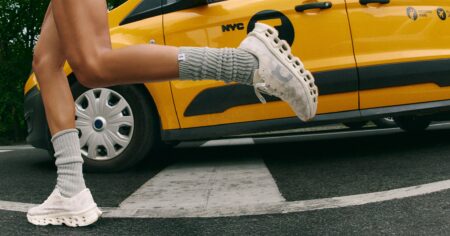
Espinal’s photographs capture the moment before the look becomes content – subjects mid-stride, or caught looking somewhere else, or arriving with the particular energy of someone who has already made every decision they’re going to make today and is not interested in second-guessing it. The fashion isn’t performing for the camera so much as tolerating it. That distinction comes through.
The specific labels showing this season – Siriano, LoveShackFancy, Aknvas, Kim Shui, Private Policy, Selkie, The Blondes, Cowan – represent a cross-section of American fashion that skews independent and personality-driven. These are not anonymous houses. They have points of view strong enough that their audiences dress accordingly, or in deliberate contrast. Either way, the clothes outside the show become a response to the clothes inside it, whether the wearer intends that or not.
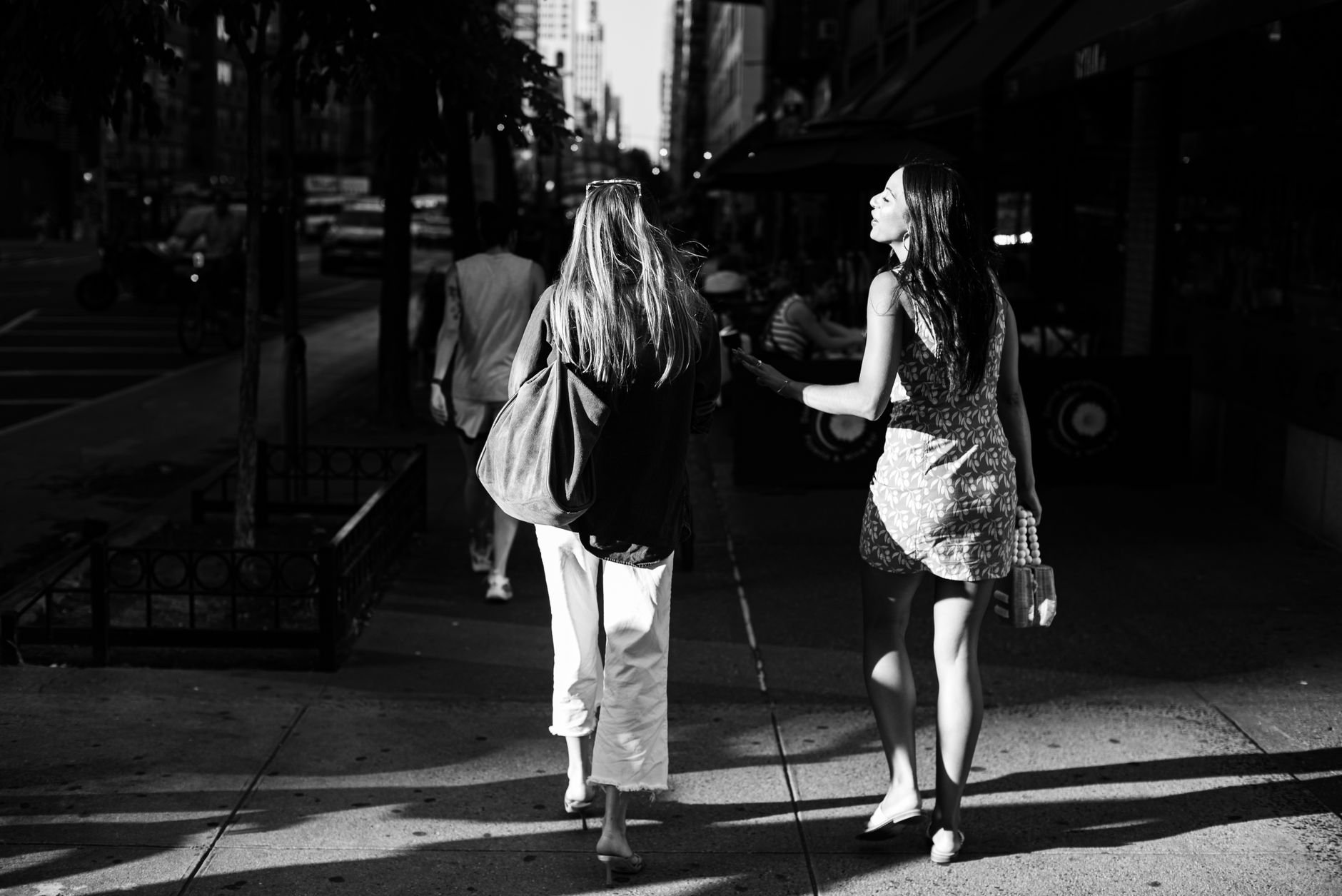
Fashion month continues past New York – London, Milan, and Paris still ahead – but the September 9 start date means the city has already absorbed the first wave of that particular kind of person who treats getting dressed as a competitive event. The Christian Cowan crowd outside the venue, whatever they wore, had already made a choice about which version of fashion week they were participating in. Espinal was there to catch it before they went inside and the whole exercise became official.