




The Budget Gift Problem Nobody Talks About
There’s a particular anxiety that comes with shopping for someone who has good taste. You scan your budget, you scan theirs, and the gap feels humiliating. Fifty dollars doesn’t sound like much when you’re trying to tell someone they matter – but the assumption that it can’t is worth questioning.
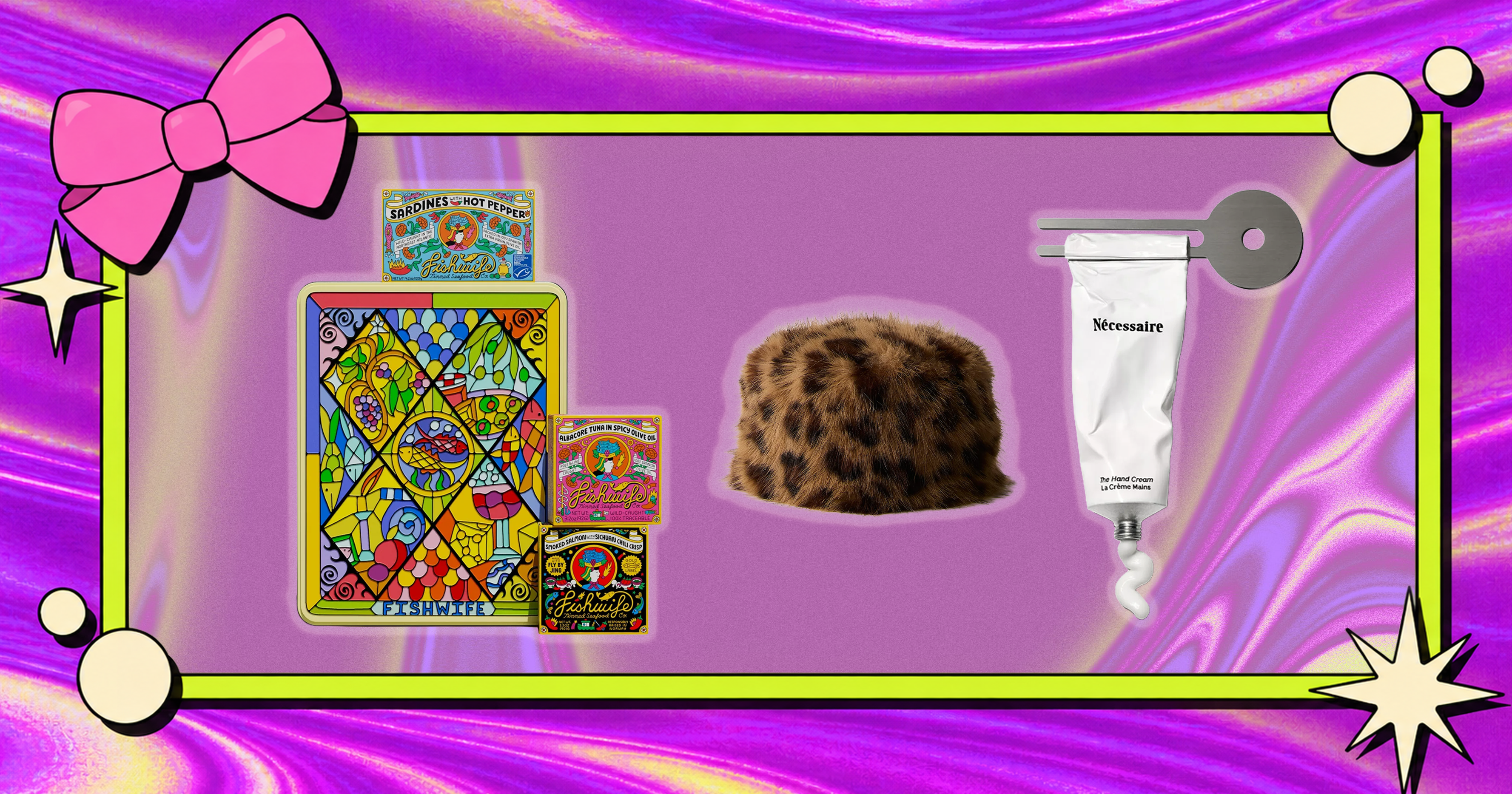
The gifts below were sourced and editor-approved for a holiday gift guide built around a simple premise: luxury is about finish, not price tags. These are items for homebodies who live in cozy slippers, fashion lovers who fancy statement accessories, foodies who are into tinned fish, and hosts who throw decadent dinner parties. Artisanal kitchenware, elevated beauty, and yes, puzzles – all under $50.
Why Puzzles Showed Up on a Luxury List
Piecework Puzzles lands on this list not because puzzles are cheap filler, but because analogue activities have become something people actually crave. The pull away from screens – toward something slow, tactile, and completable – has made puzzle-giving feel less like a cop-out and more like a considered choice.
The specific Piecework pick getting attention is the Happy Hour Puzzle, a colorful cocktail tablescape design available at Shopbop. What makes it giftable beyond the novelty is that it ends with a physical object worth keeping – a finished piece of art your recipient actually assembled. The experience is the gift, and then something stays. For people who’ve run out of ideas for friends with full homes and specific taste, that dual function matters more than it sounds.

Quince and the Math Behind Looking Generous
Quince is the brand doing the most structural work in the under-$50 luxury conversation. Their Lightweight Cotton Cashmere Crew Cardigan is the kind of item that prompts the question nobody asks out loud at gift exchanges: how much did you spend on this? The answer is under $50. The implication, based on how it looks and feels, is considerably more.
Quince has built its entire business model around collapsing the distance between high-quality materials and accessible prices. The selection of under-$50 gifts spans accessories and beyond – the cardigan is just one entry point. For gift-givers working with tight budgets but unwilling to compromise on how the gift lands, Quince is functioning less like a brand and more like a strategy.
The cotton-cashmere blend is the detail that sells it. Cashmere alone reads as luxury; cutting it with cotton keeps it breathable and brings the cost down without visibly sacrificing softness. It’s the kind of fiber decision that happens at the manufacturing level and translates directly into how much the recipient thinks you spent.
What’s worth noting about gifts in this category – cardigans, elevated basics, anything worn against the skin – is that the receiver rarely looks up the price. They feel it. They wear it. They form an impression. That impression, in the case of a well-made cotton cashmere crew, tends to run generous.
Who This List Is Actually For
The gift guide framing tends to flatten everyone into recipient archetypes. The foodie. The homebody. The host. These categories exist because they work – they help gift-givers narrow from infinite options to something specific. But the more honest version of this list is that it’s for the gift-giver who is quietly managing a budget while trying not to look like it.
That’s not a shameful position. Most people giving gifts this season are doing it. The interesting shift is that the product market has started to meet them there – not with cheap imitations of expensive things, but with well-made objects that simply don’t carry a markup for brand prestige or retail square footage. Piecework Puzzles, Quince, and the other items in this category exist in a different pricing logic than what most people associate with the word luxury.

What “Looks Expensive” Actually Means
The honest promise of a list like this – gifts that “look far more expensive than they actually are” – rests on a specific theory of perception. Luxury signals aren’t always about cost. They’re about detail: the weight of a cardigan, the artwork on a puzzle box, the specificity of a kitchenware item that suggests the giver knew exactly what you’d want. Those signals are reproducible at lower price points when the manufacturer is building for quality rather than margin.
The way people read clothing gifts has shifted considerably – presentation and material quality carry more weight than labels. A cotton cashmere cardigan from a brand your recipient hasn’t heard of can land harder than a logo-heavy item from one they have, because the fabric does the talking before the tag ever gets checked.
All products in the original guide were independently selected by editors, with commissions potentially earned on purchases – standard editorial commerce disclosure. What it doesn’t change is the underlying question the list keeps circling: at what point does a $50 gift stop feeling like a $50 gift? With Piecework’s cocktail tablescape sitting finished on a coffee table, or a cashmere-blend cardigan folded into someone’s regular rotation by February – probably somewhere around then.