


The 2026 Emmys handed out its major acting awards and, for the first time in five years, every single winner was white. That is not an opinion or a provocation. It is what happened.
What the Trophy Count Actually Looked Like
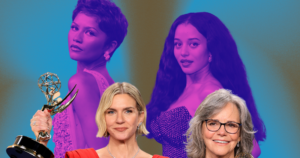
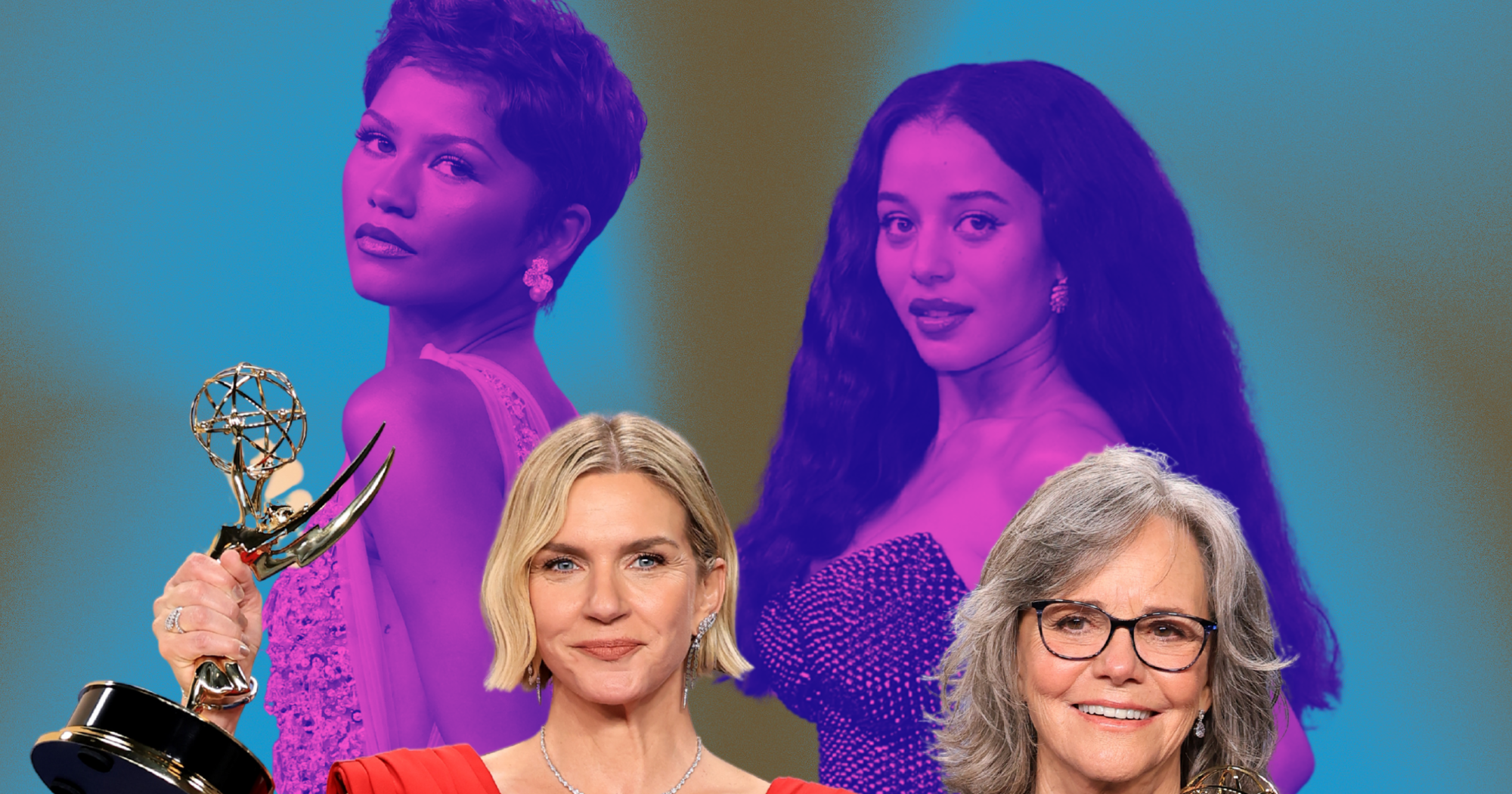
By the time the primetime broadcast closed, the major acting honors had gone to Noah Wyle, Rhea Seehorn, Jean Smart, Matthew Rhys, Kate O’Flynn, and Stephen Root. Six winners. One thing they shared beyond their industry accomplishments: none of them are a person of color. The category is not subtle once you lay it out that plainly.
Sitting in that same room – nominated, dressed up, clapping at the right moments – were Sterling K. Brown, Zendaya, Quinta Brunson, Ayo Edebiri, Janelle James, Yahya Abdul-Mateen II, and Chase Infiniti. Each of them had been recognized as among the best working in television. None of them went home with the award.
This did not happen in isolation. The 2026 nominations slate was already the least diverse in a decade, so the outcome of the actual ceremony was less a surprise than a confirmation. The nominations drought and the winners’ circle told the same story, just in two separate chapters of the same bad night.
Awards shows attract a specific brand of cynicism, and some of it is earned. The gowns are expensive, the speeches are rehearsed regardless of how off-the-cuff they sound, and the whole apparatus runs on industry relationships as much as artistic merit. But the dismissal – “it’s just an awards show” – does real work in letting the industry off the hook. Whoever wins shapes what gets funded next, which performances get remembered in five years, and whose career trajectory gets the institutional support that comes with a trophy and the press cycle around it.
The Industry’s Long Habit of Promising More Than It Delivers
Television has spent the better part of a decade making very public commitments to representation. Diversity initiatives were announced, inclusion riders were discussed at panels, streaming platforms built entire brand identities around the idea that they were actively changing who gets to tell stories and who gets to be seen telling them. The 2026 Emmys are not evidence that none of that happened. They are evidence that the machinery of recognition has not kept pace with whatever progress was made in front of the camera.
There is a specific discomfort in watching an acceptance speech about the power of storytelling to connect humanity – delivered, on this particular night, exclusively by white actors. The speeches were not wrong. Storytelling does matter. Artistic communities do need defending. But the subtext of who is standing at that podium doing the defending, year after year, is its own kind of statement.
The night was not entirely without politics. Sally Field won the Emmy for Outstanding Lead Actress, and the ceremony carried its usual undercurrent of industry self-congratulation. But even the political moments felt oddly restrained given the context. An industry gathering in 2026, against a backdrop that includes ongoing federal pressure on diversity programs and a Justice Department increasingly willing to challenge civil rights frameworks, might have been expected to produce something louder. Instead, the room was careful. Comfortable, even.
That comfort is worth examining. When the field of nominees includes performers of the caliber of Zendaya and Ayo Edebiri – both of whom have built genuinely significant bodies of work by any reasonable measure – and neither walks away with a win, the question is not whether the voters made a defensible choice in the abstract. The question is what the pattern of choices, assembled over years, signals about whose work the industry’s most established tastemakers are actually watching closely enough to reward.
Five years is not a blip. Five years of at least one major acting winner being a person of color was not a long time in the context of Hollywood’s history, but it was long enough to feel like something had shifted. The 2026 result broke that streak. Breaking a streak does not automatically mean regression, but it does demand more than a shrug and a redirect to the craft categories.
What Gets Remembered, and What Gets Funded
The economic logic of awards is straightforward: a win generates press, the press generates audience interest, the audience interest generates leverage in the next negotiation. An actor who wins a major Emmy enters a different tier of conversations about casting, pay, and the kinds of projects that get greenlit around their name. When that loop runs almost entirely through white actors in a given year, the downstream effects are not abstract. They show up in pilot season the following year, in which projects get a full order and which get quietly shelved.

Talent was not what separated the winners from the nominees on Monday night. Sterling K. Brown has an Emmy. Ayo Edebiri won last year. The performers who lost are not unknown quantities who failed to break through – they are established, decorated, and working at the top of their field. Which makes the specific shape of this year’s outcome harder to explain away, and raises a question the academy has not yet answered directly: if the nominations slate was already the least diverse in ten years, who exactly is deciding what television gets seen as award-worthy in the first place?