



When a Beauty Ritual Gets Repackaged as a Discovery
The manicurist’s disappointment was barely concealed. “Nothing? Not even a gloss coat? Maybe light pink?” she asked, glancing over at other clients mid-sentence as if the answer wasn’t worth her full attention. The request – nails trimmed, cuticles treated, nail beds buffed to a shine, no polish – had apparently disqualified the appointment from being a real manicure. Walking out, there was that familiar, low-grade feeling of having let someone down, of having taken up space without justifying it. For Muslim women who maintain bare nails as part of their religious practice, that experience at the salon is less of an occasional awkwardness and more of a recurring script.
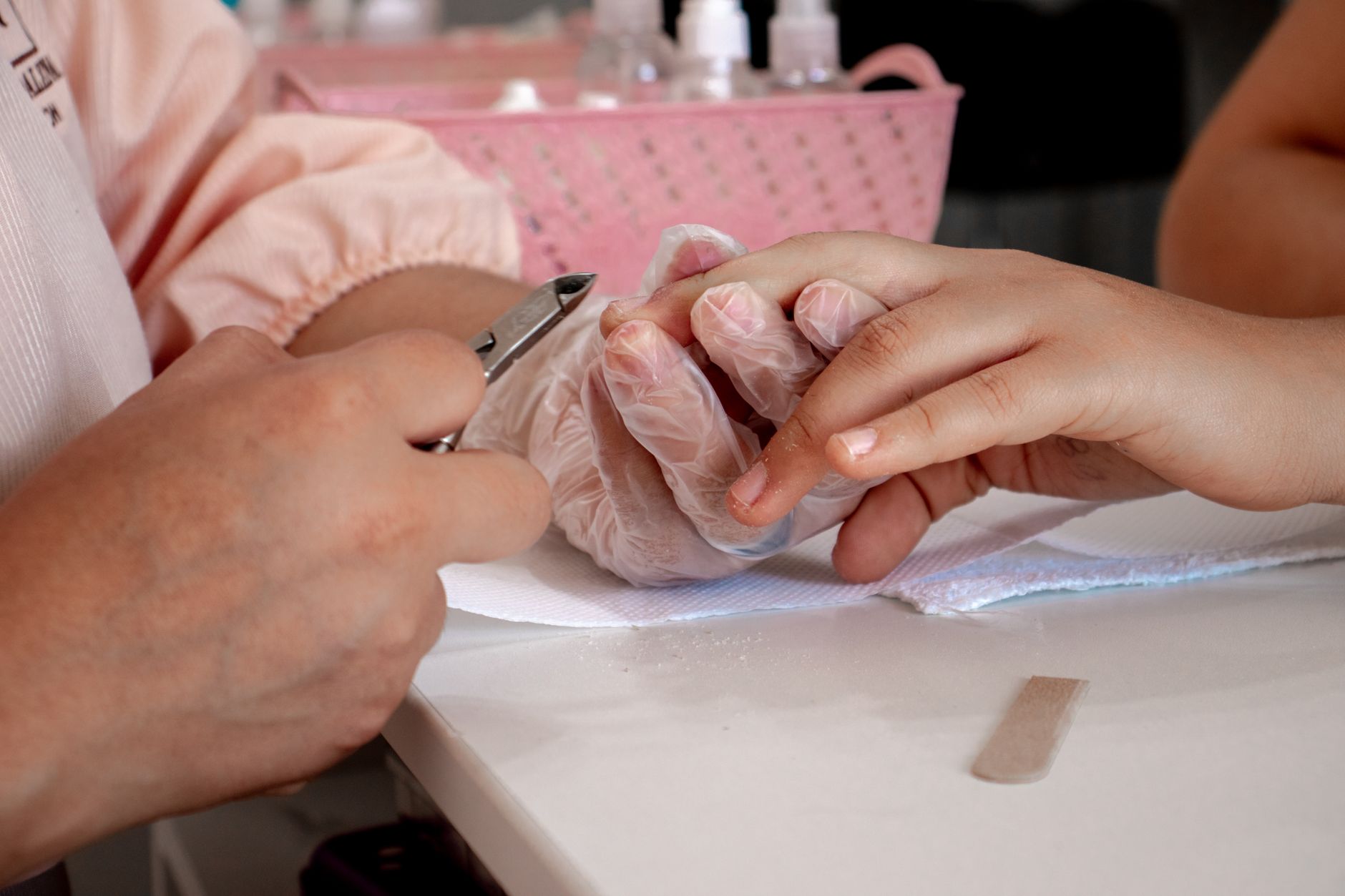
So when bare nails began appearing in magazines as the season’s chicest manicure moment, the reaction from many Muslim women was something between amusement and exhaustion. Not the barely-there nail look – the sheer nude coats like OPI Bubble Bath or Essie Ballet Slippers designed to mimic healthy natural nails – but actual bare nails. The simple cut, file, and buff. The appointment that makes manicurists look past you to the next chair.
What Wudhu Has to Do With It
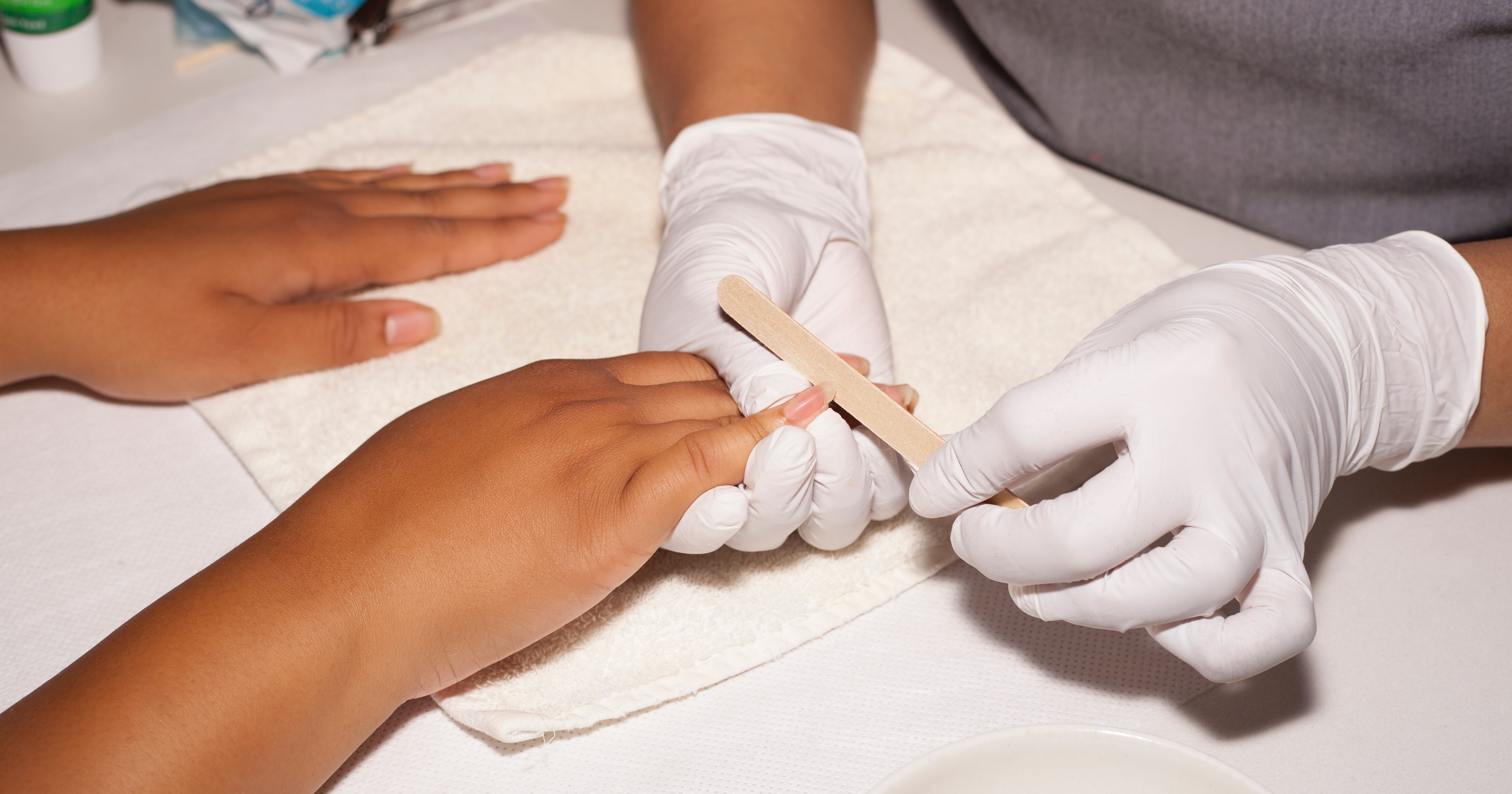
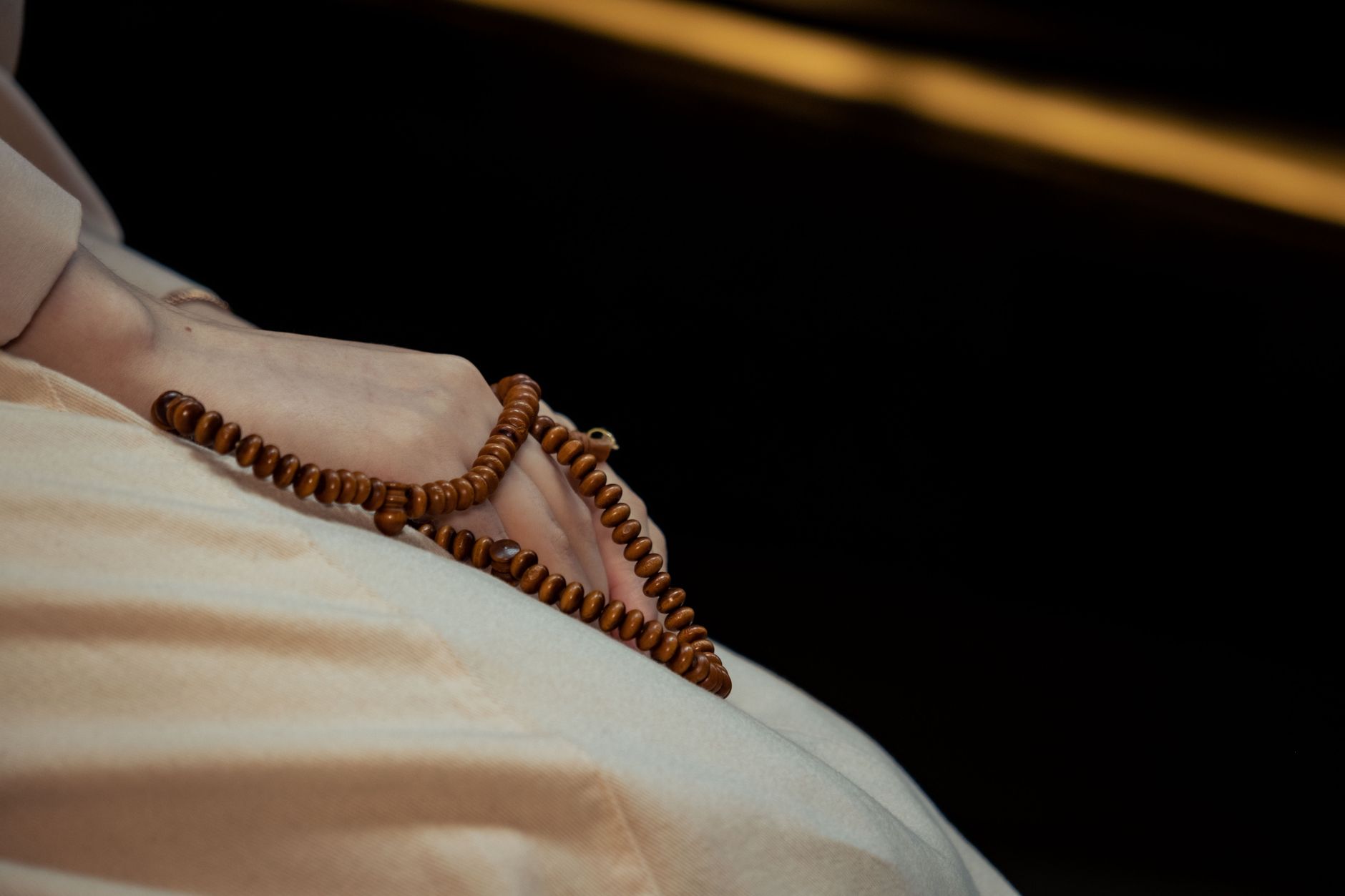
The religious basis is straightforward. Islam requires five obligatory daily prayers, and before each prayer, Muslims must perform ablution – the ritual washing known as wudhu – which involves cleansing the hands in a way that ensures water physically reaches the nail beds. Traditionally, nail polish has been treated as a barrier that interrupts that contact and therefore invalidates the wudhu. No valid wudhu, no valid prayer.
The practical consequence of this is that many Muslim women have simply lived with bare nails, not as an aesthetic preference but as an extension of their daily worship. There is a generational rhythm to it – nails painted during menstruation, when women do not pray, and returned to bare afterward. Growing up, that one week a month carried a particular excitement: the chance to finally choose a color, head to the salon, and feel like the experience matched everyone else’s. Some women even had polish applied at the salon specifically to remove it again a week later, for the brief pleasure of it.
That pattern – decades of bare nails maintained quietly and without cultural recognition – is what makes the current trend cycle feel so disorienting. Muslim women have not been keeping their nails bare because a magazine told them it looked expensive or minimalist or clean. They have been doing it because it is bound up in prayer, in the structure of their day, in something that has nothing to do with aesthetics at all. The beauty industry is now catching up to a practice it spent years treating as the absence of effort.
The salon experience captures this well. A manicurist’s indifference is not malicious – it is a product of an industry built around product application, where the service feels incomplete without something to sell or apply. A bare nail appointment generates no upsell, no gel, no chrome powder, no cuticle oil add-on. It sits outside the economic logic of the modern nail salon, and that invisibility is felt.
The Geometry of a Trend
Trends work by lifting something ordinary into visibility – by attaching cultural cache to what was previously unremarkable or even stigmatized. When bare nails arrive in a magazine as a deliberate choice, as an act of restraint and sophistication, they carry a meaning that the same bare nails did not carry for Muslim women sitting in that salon chair five years ago. The nails have not changed. The framing has.
This is not unique to Muslim women or to nail care. Practices rooted in religious observance, cultural identity, or economic necessity have a long history of being reabsorbed into mainstream aesthetics once they acquire the right editorial context. What changes is who gets credited with the taste, and who was simply living it.
A Lonely Beauty Club, Finally Crowded
There is something genuinely strange about watching a beauty practice you have maintained out of religious obligation get written up as a trend to try. The strangeness is not bitterness exactly – trends bringing broader acceptance to bare nails means fewer awkward salon appointments, fewer manicurists looking across the room mid-conversation. That is not nothing. If the trend makes it easier to book a cut-and-buff without apologizing for it, there is a practical benefit that lands regardless of the cultural irony.
But there is a difference between a practice being normalized and a practice being seen. Muslim women have worn their nails bare for generations – not quietly in any ashamed sense, but without the backing of the wider beauty conversation that now suddenly finds the look refined. The women who were doing this before it was a trend were not ahead of the curve. They were outside of it entirely, operating in a framework where the curve was irrelevant.
The manicurist who barely looked up during a bare-nail appointment was not reading trend reports. She was working within a professional logic where polish equals service and bare equals nothing to do. That logic hasn’t fully broken yet. Even as bare nails appear in editorials, the salon floor moves slower than the magazine page – and the next Muslim woman who books a trim and buff may still find herself explaining, again, that yes, really, no color. Not even a gloss coat. Not even light pink.