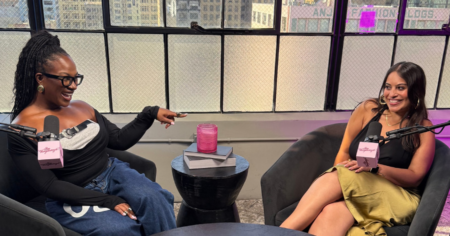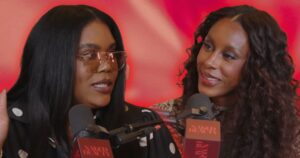



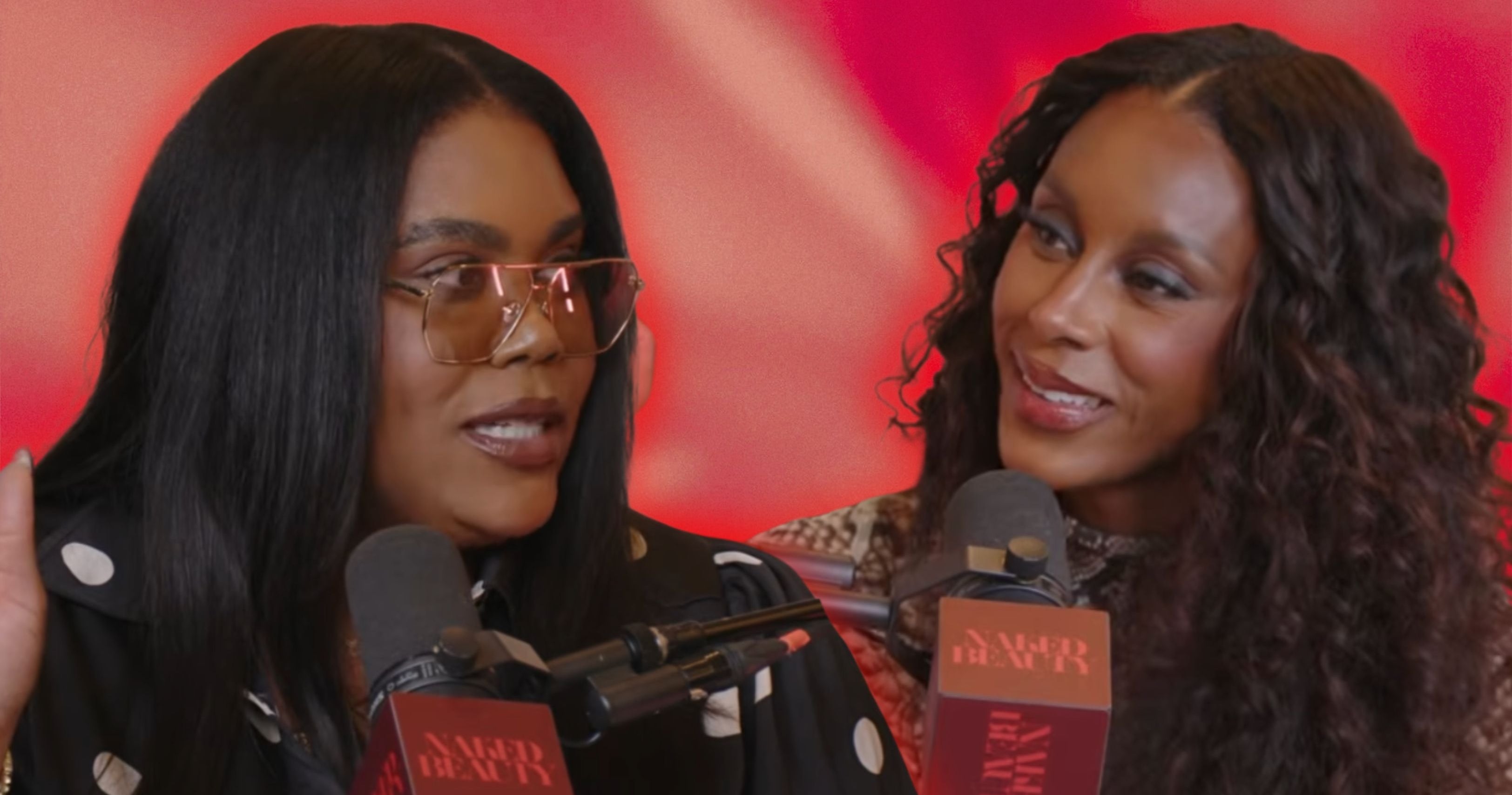
Nina Parker has spent twenty years being the person with the microphone at Hollywood’s biggest moments – Met Gala red carpets, reality TV mediations, celebrity interviews that cut through the noise. Now, in a candid conversation on the Naked Beauty podcast, she’s turning the lens on herself.
Sacramento Roots, National Stages
Before Parker became a fixture on E!, TMZ, VH1, and CBS – and later a host on Crooked Media’s Keep It – she was a kid in Sacramento, California whose parents made a point of building her up from the inside out. They pushed higher education and enrolled her in competitive public speaking early. The instinct behind that wasn’t just about confidence; it was about equipping her with something that couldn’t be taken away in a room that didn’t want her there.
That preparation proved useful. Parker, who is Emmy-nominated and has since added fashion designer and podcaster to her list of roles, describes walking into newsrooms and recognizing misogyny for exactly what it was. Her response wasn’t to go quiet. She pushed back – at TMZ specifically – and found, somewhat unexpectedly, that it registered with her bosses as competence rather than insubordination. The dynamic says something about how narrow the margin is between being written off and being taken seriously, particularly for Black women navigating professional spaces that weren’t designed with them in mind.
Parker doesn’t treat this as ancient history. The standards placed on Black women in front of the camera – in terms of both professionalism and appearance – remain sharper and less forgiving than those applied to others. For plus-sized Black women, those expectations stack even further. She’s spoken about this publicly before, but the Naked Beauty conversation gives it more texture, more personal detail.
The beauty and pop culture figures who pulled her toward entertainment in the first place also came up. Parker tracked how those early influences shaped her sense of what was possible – which icons, which aesthetics, which versions of glamour gave her a foothold into imagining herself in that world.
Building a Glam Team and a Skincare Philosophy That Actually Holds Up
Working across television and podcast formats for two decades means Parker has had a long, sometimes frustrating education in what it takes to consistently look good on camera. She walked through how she built a glam team that delivers – not occasionally, but reliably. Behind-the-scenes consistency in that industry matters more than most viewers realize. A glam team that’s only half-present on an off day shows up on screen, and Parker’s career has operated at a level where that’s not an acceptable variable.
The business of beauty and styling has shifted considerably since she started, and she didn’t sidestep that. The influx of influencers into a space that used to be controlled by a much smaller, more gatekept group of professionals has changed both the economics and the aesthetics. Whether that shift has been net positive or net negative depends entirely on who you ask, but Parker’s perspective comes from someone who watched it happen in real time, from inside the industry.
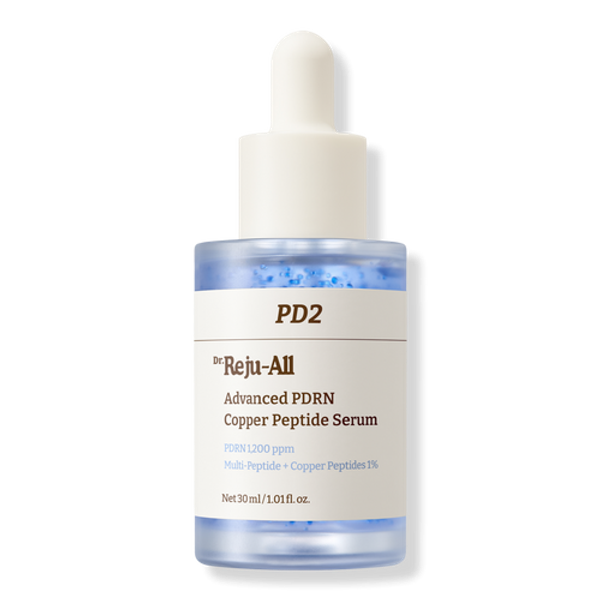
Her skincare approach is, by her own description, well-researched. This isn’t a shelf full of products she accepted as gifts or grabbed because a brand paid her to. Parker has looked into what works, and that process led her to microneedling – a treatment that uses fine needles to create controlled micro-injuries in the skin, prompting collagen production and improving texture and tone. It’s not a passive or particularly comfortable choice, but it’s one with documented results for the kind of skin concerns that accumulate over decades of work under studio lighting.
At 44, she also made the decision to get Botox. She’s open about it rather than vague, which matters in a media landscape where a lot of public figures quietly use the same treatments while maintaining an aura of effortless natural aging. Parker’s willingness to name the procedure directly – and to talk about arriving at that decision – strips some of the mystique away in a way that’s more useful than the alternative. She’s not evangelizing. She’s just not pretending.
Gen Z came up too, and Parker has something specific she appreciates about them – not a generalized compliment, but an observation about what makes the generation actually interesting to her, shaped by years of watching how different demographics engage with pop culture and media. She’s been close enough to the content machine long enough to have a calibrated read on what’s changed and what hasn’t. Other public figures in their forties are having similar conversations about beauty transparency – naming products, naming procedures, dropping the pretense – and Parker fits into that broader reckoning without being absorbed by it.
The Gap Between Performance and Honesty
What makes Parker’s conversation sit differently from a standard celebrity beauty feature is the connective tissue between her professional history and her personal choices. The misogyny she faced at TMZ, the beauty standards applied to her body specifically, the decision at 44 to use Botox – these aren’t separate topics she cycled through. They’re part of a single ongoing negotiation between who she is and how the industry has tried to define what she should look like, sound like, and take up space as.
Her parents enrolled her in competitive public speaking in Sacramento. Decades later, she’s using that voice to talk about injectables and newsroom politics in the same breath – which raises a reasonable question about how many other women with similar stories are still choosing the safer, quieter version of that conversation.