




The Pitch Nobody Wanted to Hear
Nour Tayara and Rodrigo Peñafiel spent years hearing some version of the same answer: no. Retailers weren’t ready. Consumers wouldn’t care. Sustainability was too niche to anchor a luxury color cosmetics line. The co-founders of AORA, a Mexico City-born brand built entirely without plastic, collected those rejections and kept moving anyway. “Every ‘no’ reinforced that we weren’t solving a small problem,” Tayara has said. “We were challenging decades of assumptions about how beauty products had to be made.”
On July 17, AORA makes its debut at Sephora – the first fully plastic-free beauty brand the retailer has ever carried. That’s not a category milestone buried in a press release. It’s three years of growth compressed into a single launch date, arriving after AORA became Mexico’s fastest-growing beauty brand without ever putting a gram of plastic into a compact or a lip gloss tube.
What Plastic-Free Actually Looks Like on a Shelf
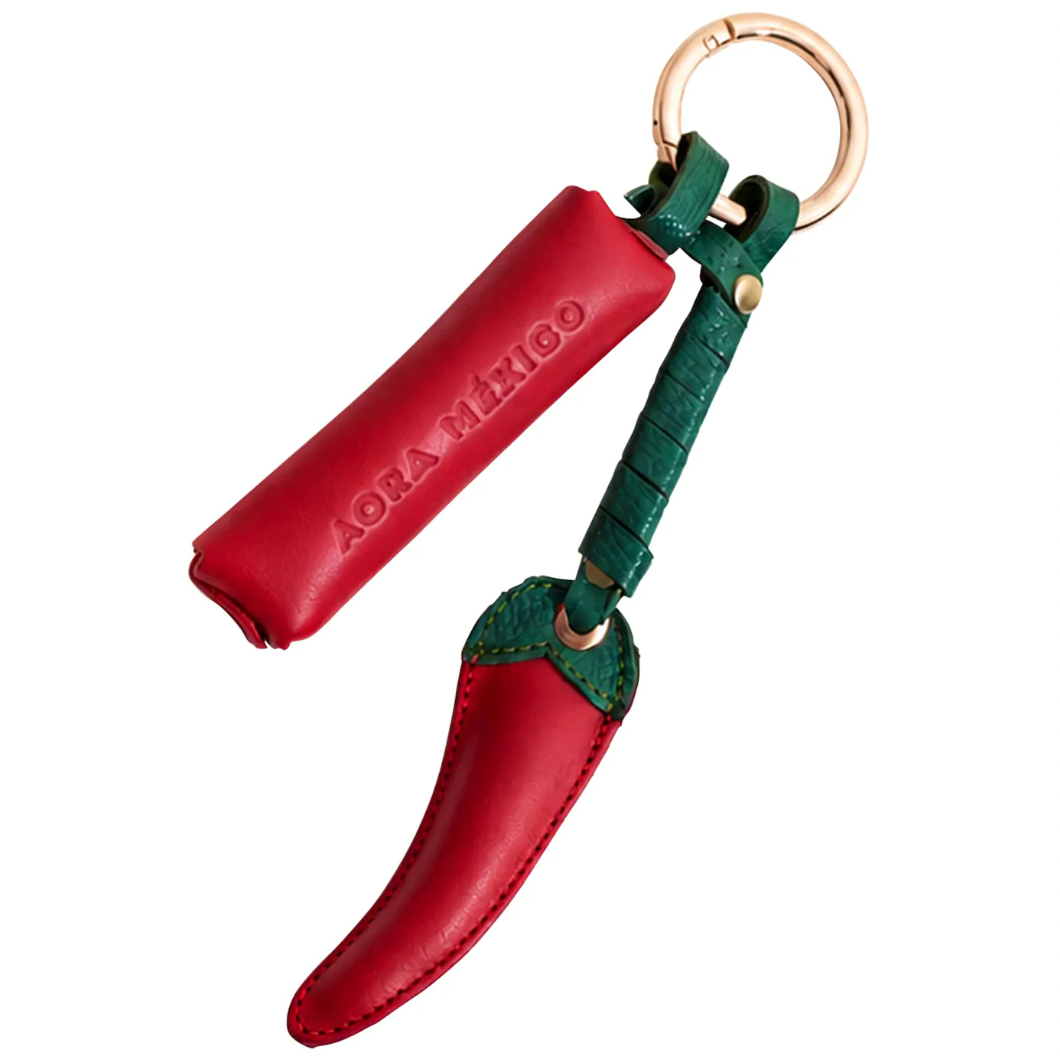
AORA’s packaging isn’t a workaround or a compromise aesthetic. Every product ships in tin, aluminum, or wood – all fully recyclable, none of it a visual afterthought. The line launching at Sephora includes the ACARÍCIAME Hydrating & Smoothing Solid Lip Gloss Serum, the ACARÍCIAME MÁS Spicy Plumping Chili-Infused Solid Lip Gloss Serum, the INICIA Antipollution Illuminating Primer, the MÍRAME Talc-Free Matte & Metallic Eyeshadow Palette, the ACARÍCIAME Hydrating Solid Lip Serum, and the HÁBLAME Longwear Lip Liner Duo – all available now on Sephora.com.
The chili-infused lip serum and the antipollution primer aren’t named as nods to novelty. They signal something more specific: an ingredient philosophy rooted in Mexican heritage rather than imported formulation trends. AORA uses tepezcohuite, a plant with a long history in traditional Mexican medicine prized for its soothing and skin-repairing properties, in a context where global beauty has largely ignored it. Tayara has described this as ingredients that “simply haven’t been celebrated on the global stage” – a gap the brand is now positioned to close at scale.
There’s a design logic running through all of it. Tin and aluminum aren’t just eco-friendly substitutes; they carry a tactile weight that plastic never does. Picking up a metal compact feels different from picking up a polycarbonate one, and that difference matters in a market where luxury is still largely communicated through touch and finish. AORA is betting that the materials themselves do some of the brand storytelling.
Tayara’s framing around consumer responsibility is worth sitting with. “Consumers already have enough decisions to make every day,” she’s said. “I don’t think it’s their responsibility to solve the plastic crisis every time they shop. That’s our job as brands.” That’s a direct rebuttal to the decade-long industry habit of positioning sustainable beauty as something that requires active sacrifice – slightly worse texture, slightly duller finish, slightly more effort at the recycling bin. AORA’s argument is that the sacrifice model was always a design failure, not an environmental necessity.

Why Sephora, Why Now
Sephora carrying a fully plastic-free brand in 2025 says something about where retailer risk tolerance has shifted. Three years ago, when AORA was first pitching, the retail consensus held that sustainability couldn’t anchor a color cosmetics line – the category where performance anxiety runs highest and consumers are least forgiving of trade-offs. Eyeshadow pigment payoff, lip gloss texture, liner precision: these are areas where shoppers return products, not where they extend goodwill for green packaging.
AORA cleared that bar in Mexico first. Fastest-growing beauty brand in the country is a claim that gets stress-tested by actual sales velocity, not brand positioning. Sephora’s decision to bring the line to its platform suggests the retailer looked at that growth and concluded the plastic-free constraint wasn’t hurting the products – it was part of why people were buying them.
The Larger Argument AORA Is Making
Beyond the packaging and the ingredients, AORA is making a case for Mexican craftsmanship as a luxury framework. The beauty industry has long treated Mexican-origin ingredients and manufacturing as raw material inputs rather than brand equities – something to source, not something to foreground. Tayara and Peñafiel built the brand from the opposite premise: that Mexico City is a legitimate origin story for a global luxury cosmetics line, not a manufacturing footnote.
That positioning arrives at Sephora at a moment when consumers are paying more attention to where beauty brands actually come from, and whether “clean” or “sustainable” labeling reflects structural choices or surface-level marketing. AORA’s answer is structural – the plastic-free constraint isn’t a campaign, it’s the founding architecture. The brand has never made a plastic product. There’s no legacy line to phase out, no transition roadmap to announce.
The HÁBLAME Longwear Lip Liner Duo sitting on Sephora shelves in a wooden or aluminum casing, next to every conventional plastic liner the retailer stocks – that’s where the argument becomes visible. Not in the brand’s origin story or Tayara’s quotes, but in whether a shopper reaches for it twice.