




The Portmanteau Taking Over Summer Vanities
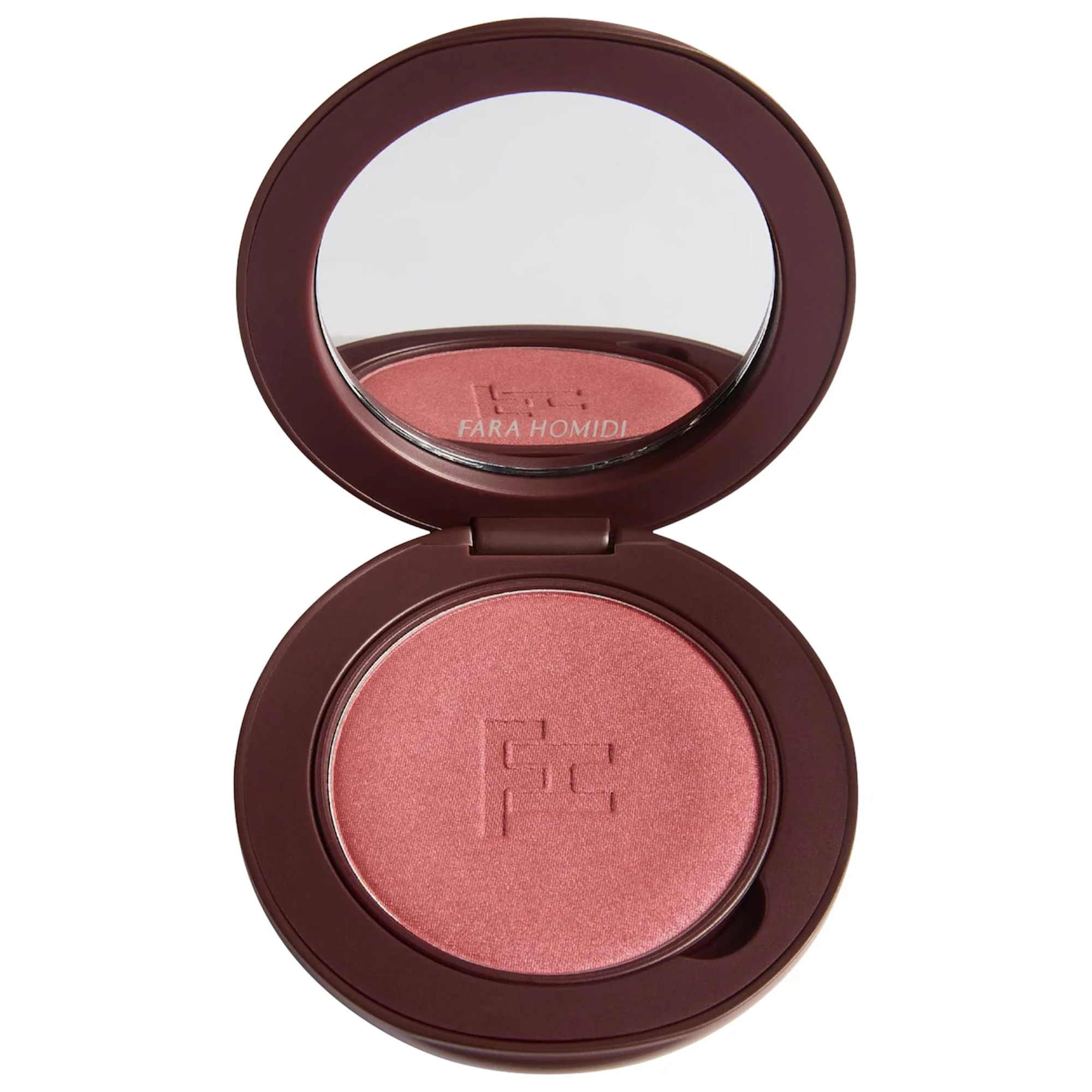
Beauty terminology multiplies fast. Brow mapping, draping, lip blushing – each new phrase arrives with its own dedicated TikTok corner and a shelf life that’s hard to predict. Most fade before the season ends. Blonzing, a blend of blushing and bronzing that makeup artist Fara Homidi has been championing, feels different – partly because the technique itself isn’t new, and partly because the product industry has caught up to it in a way that signals staying power, not just social churn.
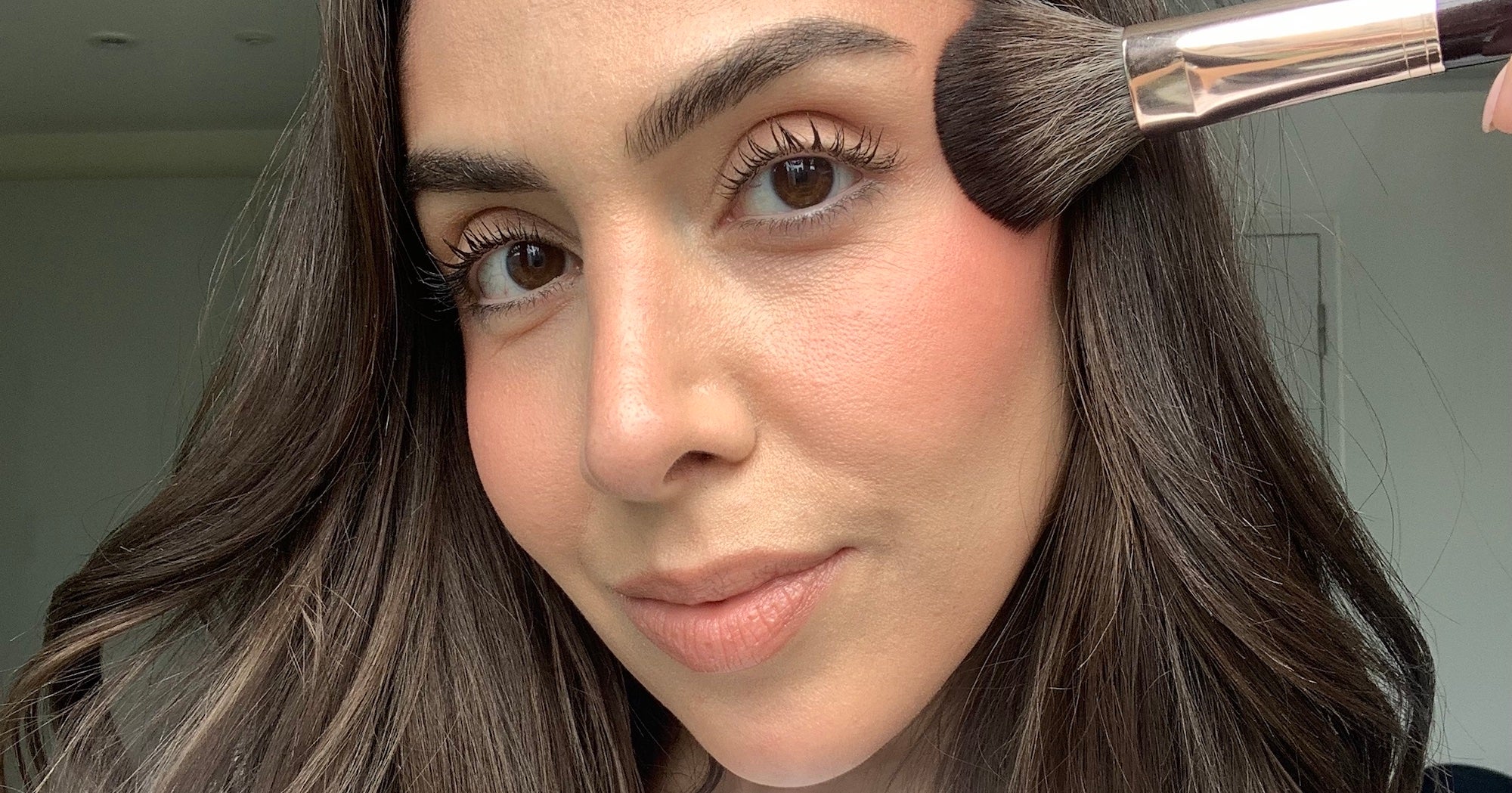
Homidi, a fashion week regular, describes blonzing as the look of skin that’s caught some sun on vacation – responsibly, with sunblock – then had blush layered over it, concentrated across the nose and cheeks, before dinner. It’s not the scorched, sunburned blush aesthetic that ran wild on TikTok earlier this year. It’s warmer and more deliberate than that, built around the idea that a sun-kissed flush and a blush application can coexist on the same face without competing.
Why This Particular Combination Is Resonating Right Now
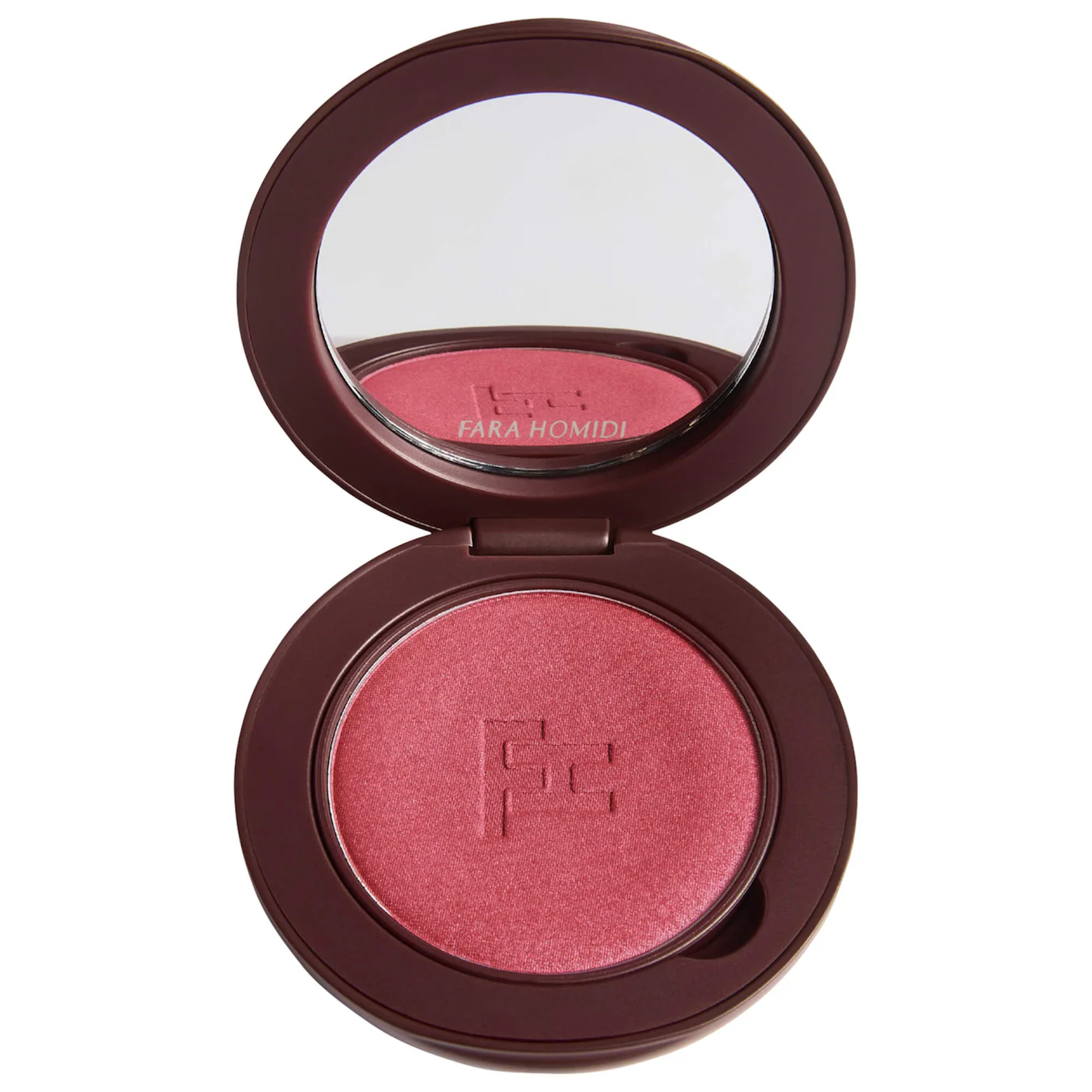
Bronzer has always done one thing: add warmth and shadow. Blush does another: inject color and life. Wearing both has never been complicated, but knowing how much of each, in what tones, for your specific skin – that’s where people hesitate. The new wave of dedicated blonzer products removes that friction entirely by pre-combining the toasty, brown-adjacent tones of bronzer with the pink, red, and purple pigments typically found in blush compacts. You apply one product and the calibration is already done.
Several brands are releasing these hybrid formulas specifically for summer 2025, framing them as the answer to a question makeup wearers have been fumbling through for years. The appeal isn’t that it’s a shortcut exactly – it’s that it collapses two separate decisions into one, which for a generation trained to optimize morning routines, matters more than it might sound.
Homidi puts it plainly: blonzing gives you the look of having had the luxury of spending endless days outside – on a beach somewhere tropical, or riding a bike with your partner. Her phrase for it is “nature-made makeup,” which is a useful framing because it explains why the technique works psychologically. The goal isn’t theatrical color. It’s the appearance of a life well-lived outdoors, translated onto skin through pigment.
She also notes that she never feels or looks as good as when she’s a little sun-kissed. That’s a common enough sentiment, and it’s part of why sun-mimicking makeup has always had an audience. What blonzing adds to that conversation is specificity – it’s not just bronzer dragged across a forehead, it’s a defined placement strategy (nose, cheeks, concentrated) that reads as flush rather than contour.
The Sun Damage Question Hanging Over All of This
Any trend that aestheticizes sun exposure has to reckon with the obvious. Homidi is consistent on this point: sunblock is non-negotiable, and blonzing exists precisely so that people don’t have to choose between looking like they spent a week at the beach and actually protecting their skin. Sun damage, she says directly, is never cute. The look she’s after is what happens after responsible sun exposure, not prolonged unprotected UV damage dressed up as a vibe.
That distinction matters as sun safety becomes a more prominent part of mainstream beauty conversations. The FDA recently approved its first new sunscreen filter in 20 years, which signals that the protective side of the industry is evolving too – meaning the cosmetic side no longer has to pretend the two goals are in conflict. You can fake the glow and block the rays, and increasingly the products exist to make both easier.
How to Actually Do It
The simplest version requires nothing new. If you already own both a bronzer and a blush, you layer them – bronzer first to set the warmth, blush concentrated on the nose bridge and the apples of the cheeks to simulate where sun actually catches skin. The color logic matters: the bronzer should sit in warm, earthy territory, while the blush reads flushed rather than matte or editorial.
The dedicated blonzer products launching this summer skip that layering step. They’re formulated so the blend is already calibrated, which is useful for anyone who’s ever put on too much blush over bronzer and ended up looking overworked rather than just-off-the-boat. The single-product approach also travels better – fewer compacts, one less decision at 7am.
Homidi’s placement advice is worth following regardless of which route you take. The concentration of color across the nose and upper cheeks is what separates blonzing from regular blush application. That zone is where windburn and sunlight register on a face first, which is exactly why loading color there reads as natural rather than applied. Whether the brands releasing blonzers this summer have the right shade ranges for deeper skin tones – a question that has tripped up every bronzer launch for the past decade – is the thing worth watching.