




The Outfit Problem No One Fully Solves
Wedding season lands differently when your calendar is stacked. Between travel logistics, gift registries, and the quiet social anxiety of showing up to a highly photographed event, the clothing decision tends to get pushed to the last possible moment – and then it becomes its own emergency. You want to look good. You want to read the room correctly. You want to avoid the kind of mistake that gets quietly discussed at the reception table.
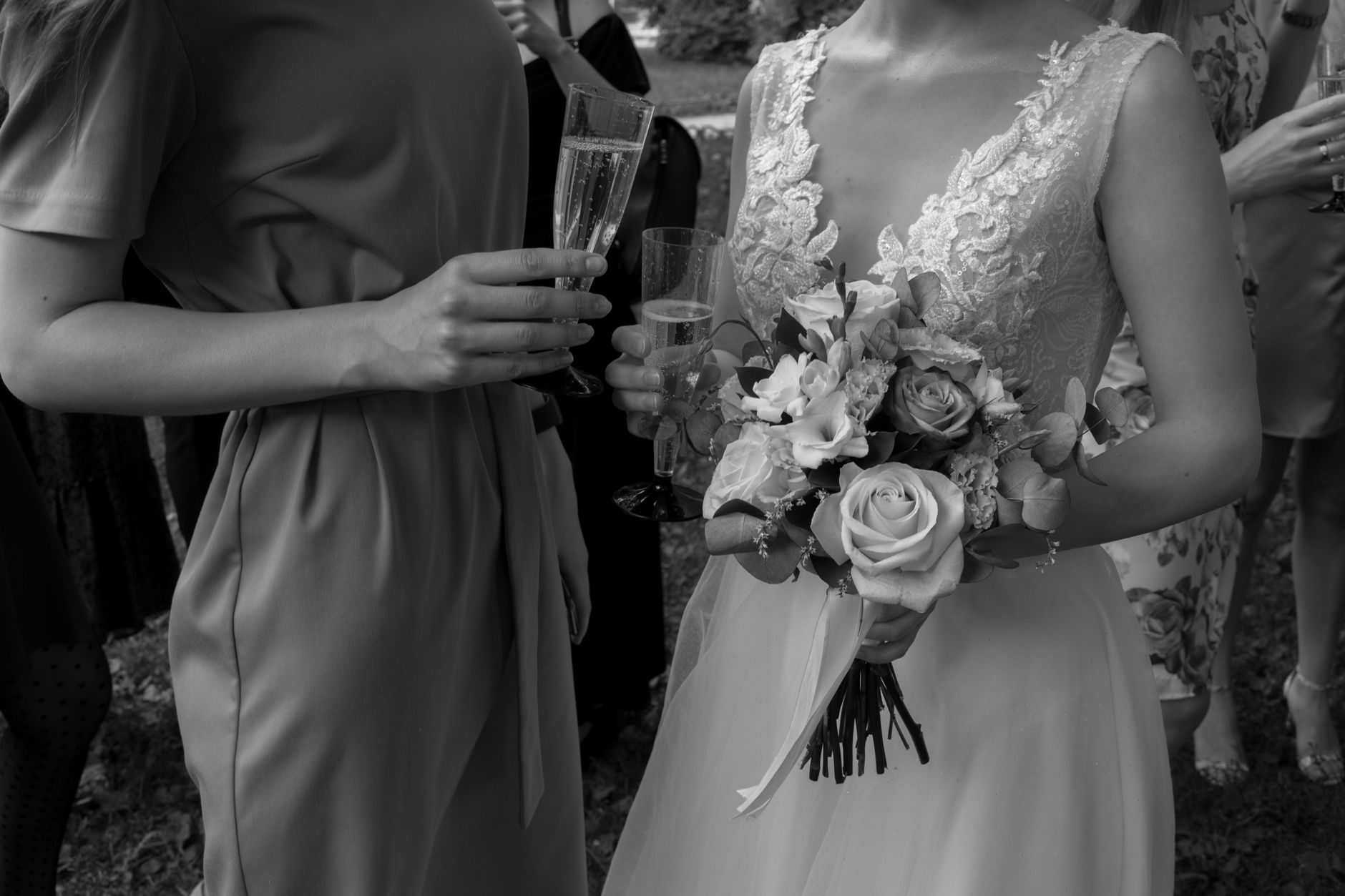
The unspoken dress code for wedding guests is more restrictive than it first appears. White, cream, ivory, and even butter yellow are effectively off the table – all shades that risk pulling focus from the bride, however unintentionally. That leaves a narrower palette than most people expect when they first open their closet and start mentally auditing options.
Why Red Actually Works Here
Red sits in a specific position in the color hierarchy: bold enough to feel intentional, but not so disruptive that it reads as a grab for attention. It photographs well across different lighting conditions – outdoor garden ceremonies, dim reception halls, golden-hour portraits – which matters more than people admit when considering what to wear to an event that will be documented extensively. Red is also seasonal in a way that most colors are not; it doesn’t belong to summer or winter exclusively, which means it can work across the full wedding calendar.
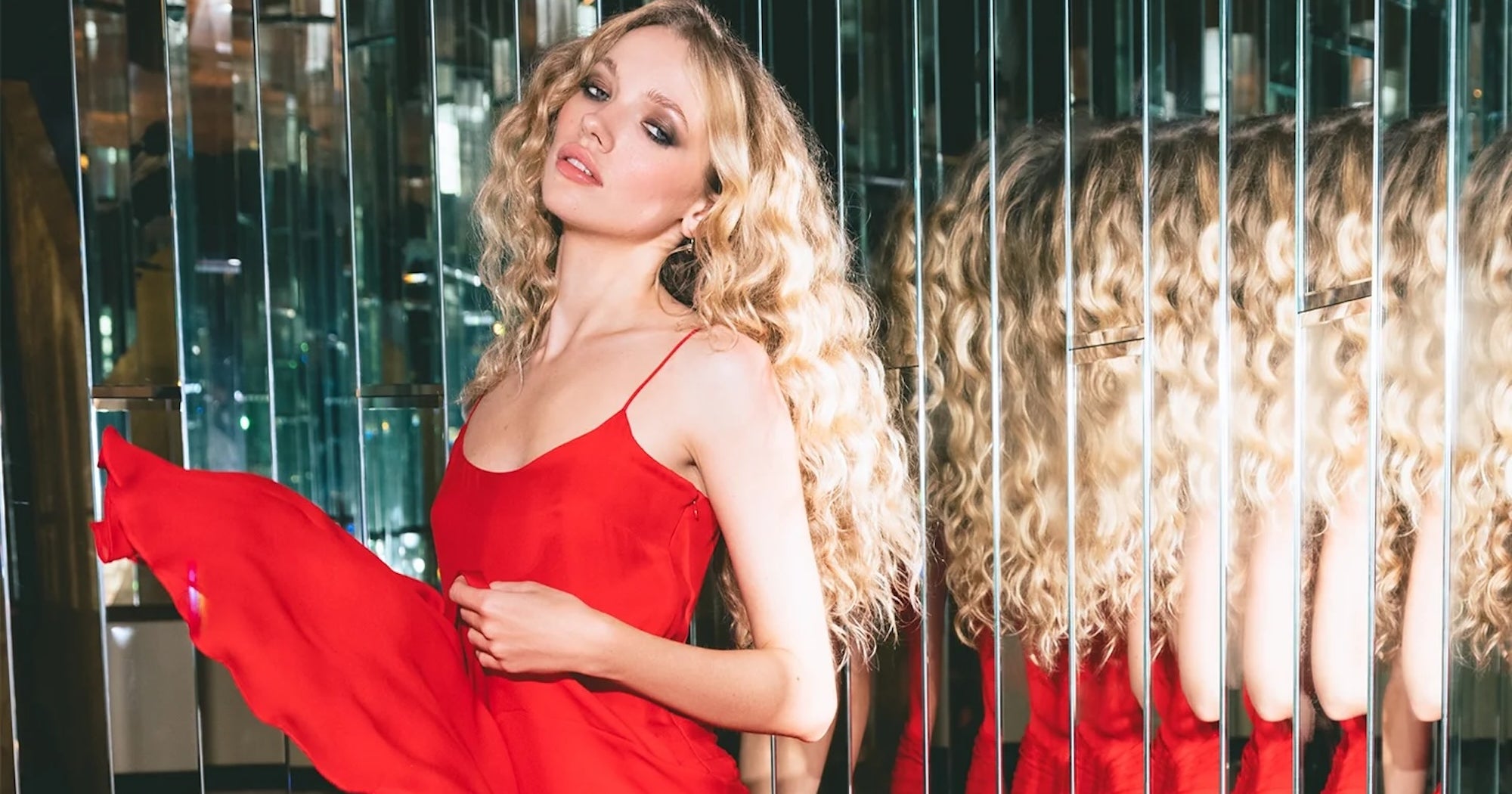
The range within red itself is also wider than the color’s reputation suggests. Scarlet reads sharper and more formal. Cherry skews playful. Deeper burgundy-adjacent reds carry a romantic weight that suits evening ceremonies. The fabric and silhouette then do the rest of the work – a silky slip dress moves red into polished, quietly elegant territory, while a billowy midi gown with volume gives it a softer, more whimsical register. That range is what makes it function across dress codes rather than being locked into one event type.
A silky slip dress in red commands a different kind of attention than a linen button-front midi. One says black-tie adjacent; the other says garden party with confidence. Accessories adjust the equation further – understated gold jewelry pulls red toward refined, while strappy heeled sandals in a neutral keep the color doing the talking. The point is that red doesn’t require a specific occasion to justify itself.
This wedding season, the cherry hue in particular is showing up with frequency across guest dressing. It’s not just that red is acceptable – it’s that it’s actively having a moment, with more guests reaching for it as a first choice rather than a fallback. The shift is visible in what’s selling and what’s being styled. Meshki’s Slinky Maxi Dress With Scarf in scarlet pairs a sleek scarf detail with a plunge neckline and an open back. ASTR The Label’s Cory dress takes a different route entirely – scalloped neckline, button-front closure, linen fabric – landing in vintage glamour territory while staying lightweight enough for warm-weather events. Both are explicitly built for this context, and both sell at accessible price points.
Styling Red Without Overthinking It
The anxiety around red as a wedding guest color usually comes from the assumption that it demands more – more thought, more confidence, more accessories to balance it out. In practice, it demands less. Red is already doing the heavy lifting visually, which means the rest of the look can stay simple. Neutral shoes, minimal jewelry, a clean bag. The color handles the statement so you don’t have to build one around it.
What red does require is fit. A poorly fitting red dress will register differently than a poorly fitting navy one – the color amplifies everything, including the silhouette. The 17 red dress options currently circulating for this wedding season account for that, covering different body types, formality levels, and price brackets. Playful and vintage-leaning styles sit alongside sleek, minimalist options, and the common thread is that each one is designed to work as a complete look rather than requiring extensive styling intervention.
The Dress Code Math
Black-tie invitations present the strictest test for any color, and red passes it cleanly when the silhouette is right. A floor-length gown in a structured or fluid fabric – depending on the formality – positions red as a considered choice rather than an unconventional one. The color actually photographs with more definition in formal settings, where the contrast against suit jackets and other formal wear gives it a graphic clarity that lighter colors sometimes lack.
Garden parties and outdoor ceremonies open up more options within the red spectrum. Lighter, more breathable fabrics – linen, cotton, light jersey – let the color feel relaxed rather than overdressed. A scalloped neckline or a button-front silhouette brings in texture and detail without requiring the formality of a structured gown. The fabric choice, more than anything else, is what signals to the occasion rather than the color itself.
Semi-formal and cocktail dress codes are arguably where red performs best, because the middle ground between casual and formal is exactly where the color’s range is most visible. It doesn’t have to commit fully to elegance or to ease – it can split the difference. A midi length with a defined waist and an interesting neckline covers nearly every semi-formal wedding scenario without requiring guests to make the kind of decisions that cause last-minute outfit crises.
The real question isn’t whether red is appropriate for a wedding. It’s whether the specific dress – the cut, the fabric, the length – fits the specific event. Red as a color clears the bar easily. The rest is just dressing, which is the same math guests run for every other color in their wardrobe. Except with red, they’re running it while knowing the color already signals something deliberate before anyone reads the room. What happens when the deliberate choice becomes the default?