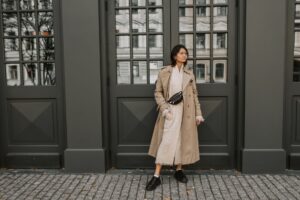




Summer 2026 belongs to ice blue. Fashion data confirms what runway watchers suspected – this particular shade of light blue has emerged as the season’s defining color choice.
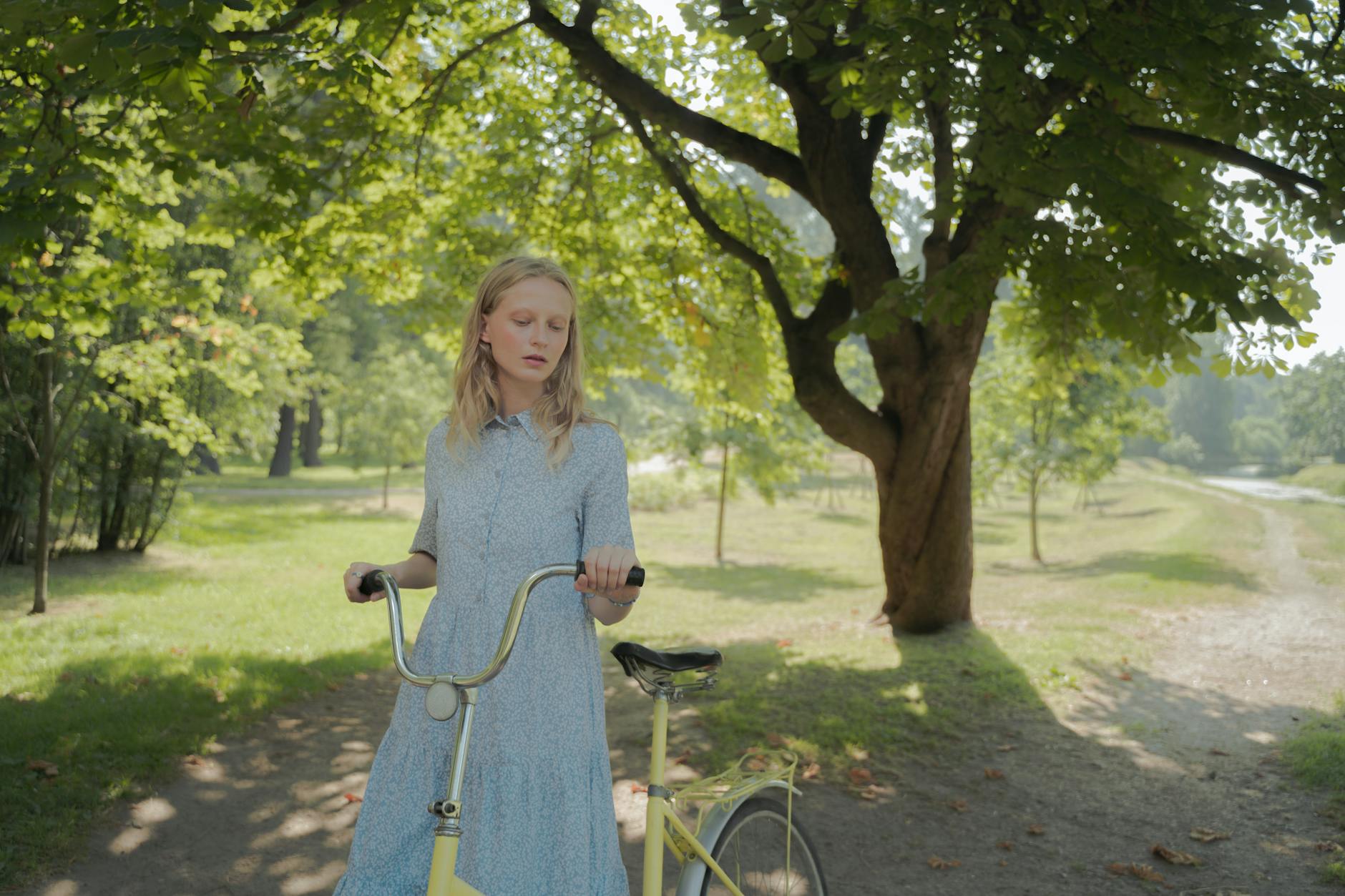
The Pastel Power Play
Each fashion season typically crowns a single pastel as its champion. Spring collections hint at possibilities, but summer solidifies the winner. For 2026, ice blue claimed that throne with unusual authority.
The shade differs from traditional baby blue or powder blue in its crystalline quality. Ice blue carries gray undertones that photograph beautifully under summer sunlight. This technical advantage explains much of its social media dominance.
Fashion houses noticed the trend early. Designers who typically favor bold summer palettes shifted toward this cooler spectrum. The result created an unexpected unity across otherwise diverse collections.
Search engines recorded the shift in real time. Queries for “light blue dress” and “ice blue outfit” peaked in May 2026, maintaining steady volume through August. The numbers exceeded typical seasonal color spikes by significant margins.
Why This Particular Blue Conquered Summer
Color psychology experts point to ice blue’s versatility as its strongest asset. The shade complements both warm and cool skin tones, eliminating the guesswork that plagues other pastels. Unlike coral or lavender, ice blue works across age demographics without appearing juvenile or dated.
Manufacturing played a role too. Textile producers found ice blue easier to achieve consistently than other light shades. Quality control improved, leading to better color matching across different fabric types. Consumers noticed fewer disappointing purchases where online colors failed to match real-world garments.
Social media amplified the trend’s reach exponentially. Ice blue photographs exceptionally well under various lighting conditions. Influencers discovered the shade required minimal editing to look polished in posts. This technical advantage created a feedback loop – more posts featured ice blue, generating more interest in the color.
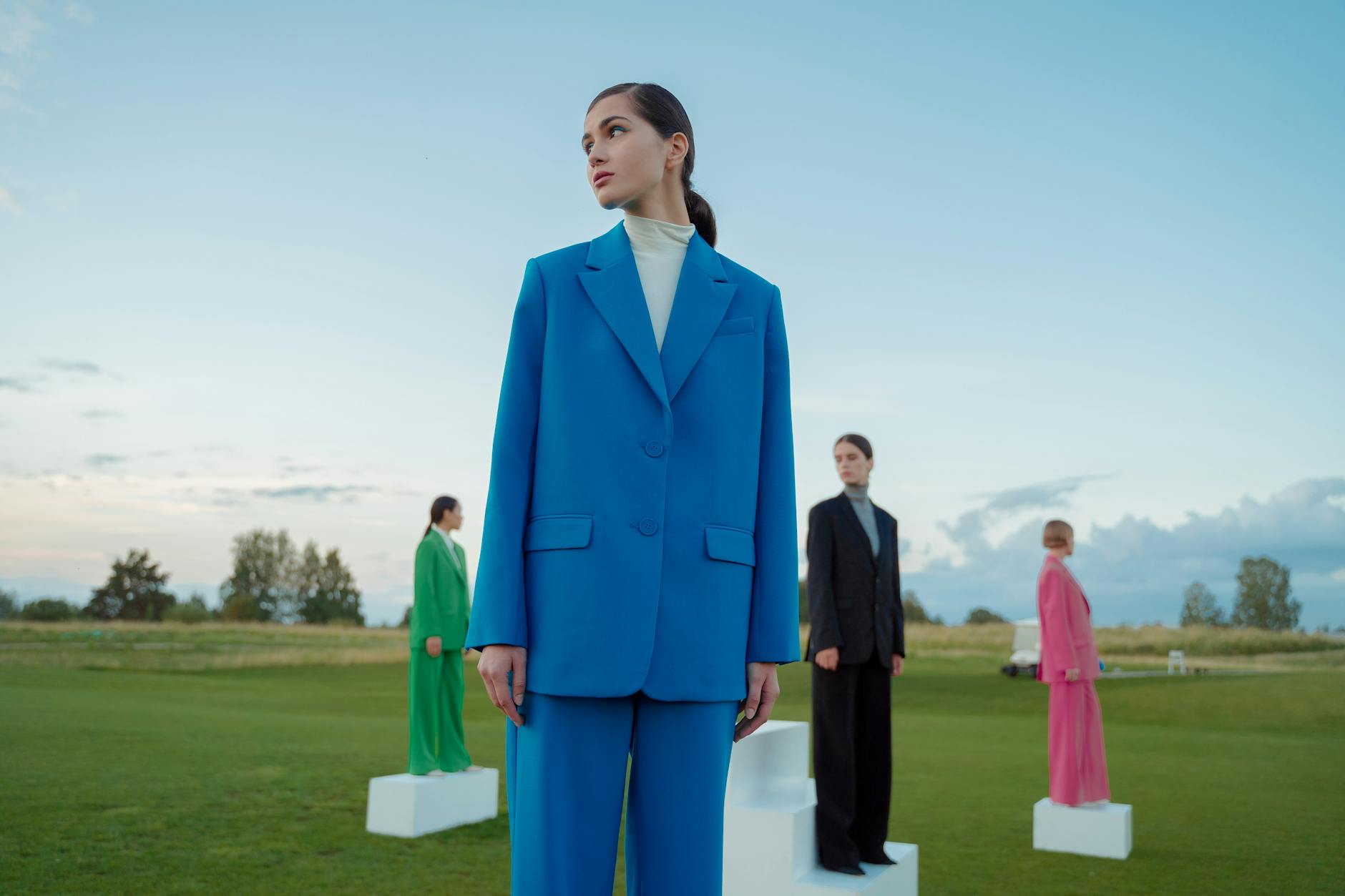
The shade’s association with summer elements enhanced its appeal. Ice blue evokes clear skies, pristine water, and morning frost on glass. These connections felt refreshing during increasingly hot summers. Consumers gravitated toward clothing that promised visual coolness.
Retail buyers recognized the trend’s commercial potential early. Major chains increased ice blue inventory by 40% compared to previous years’ pastel offerings. Fast fashion retailers rushed production to meet demand, flooding markets with affordable options in the coveted shade.
The Dress That Started Everything
While ice blue appeared across all garment categories, dresses drove the initial surge. A particular silhouette – midi-length with subtle texture – became the template for countless variations. This dress style’s popularity created a perfect storm for the color trend.
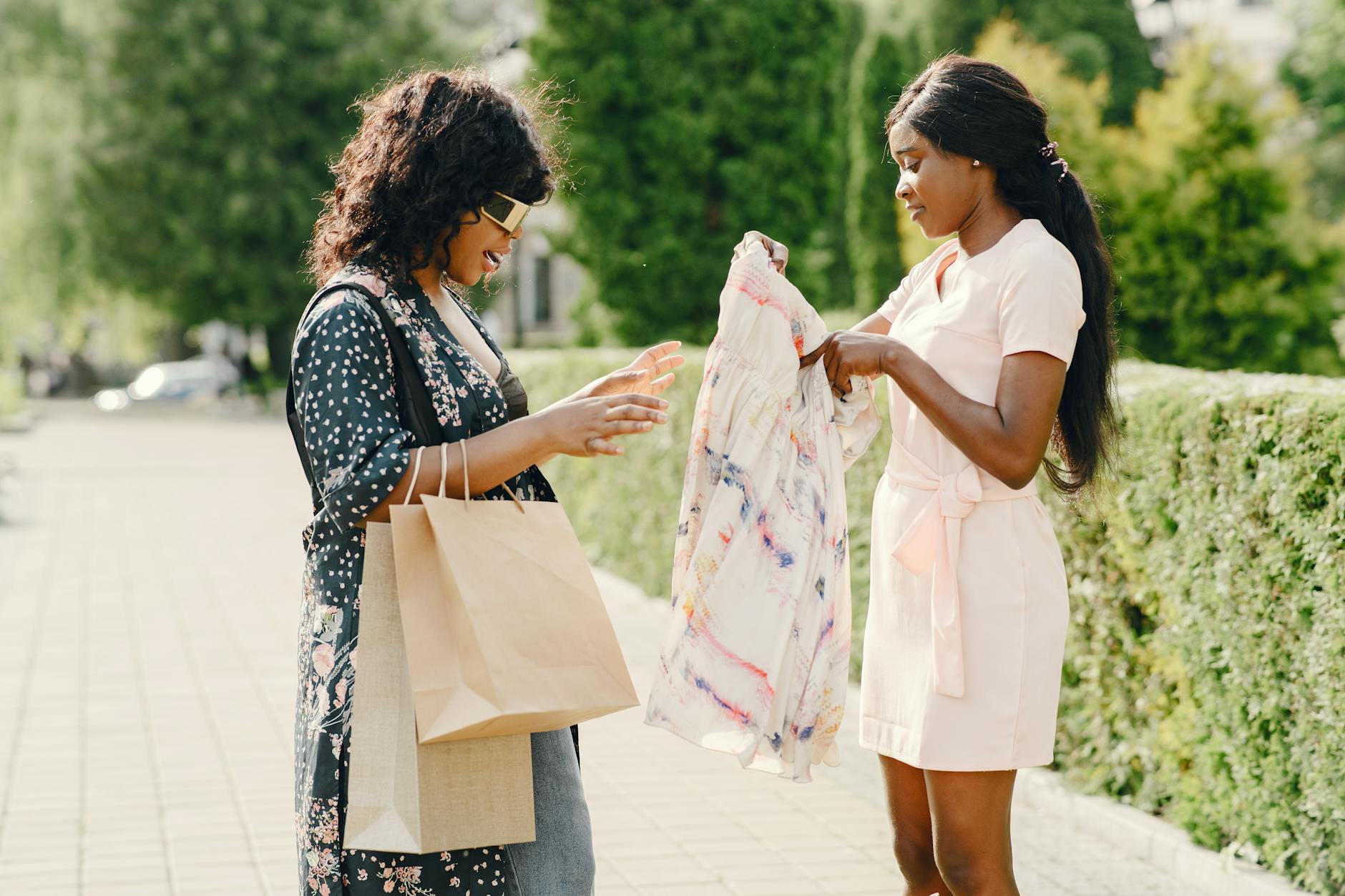
The convergence wasn’t accidental. Fashion algorithms detected early adoption patterns and recommended similar items to potential buyers. Once the dress-color combination gained traction, recommendation engines accelerated its spread across shopping platforms. What started as organic preference became algorithmic destiny – but will this digital amplification sustain interest when autumn arrives?