



Gap Finds Its ’90s Footing Again
Gap has made a habit of high-profile collaborations, but its latest drops something more specific than celebrity endorsement – it drops a denim capsule shaped around a person’s actual taste, birth year, and the men’s vintage fits she’s been quietly wearing for years.
What the Collection Actually Is
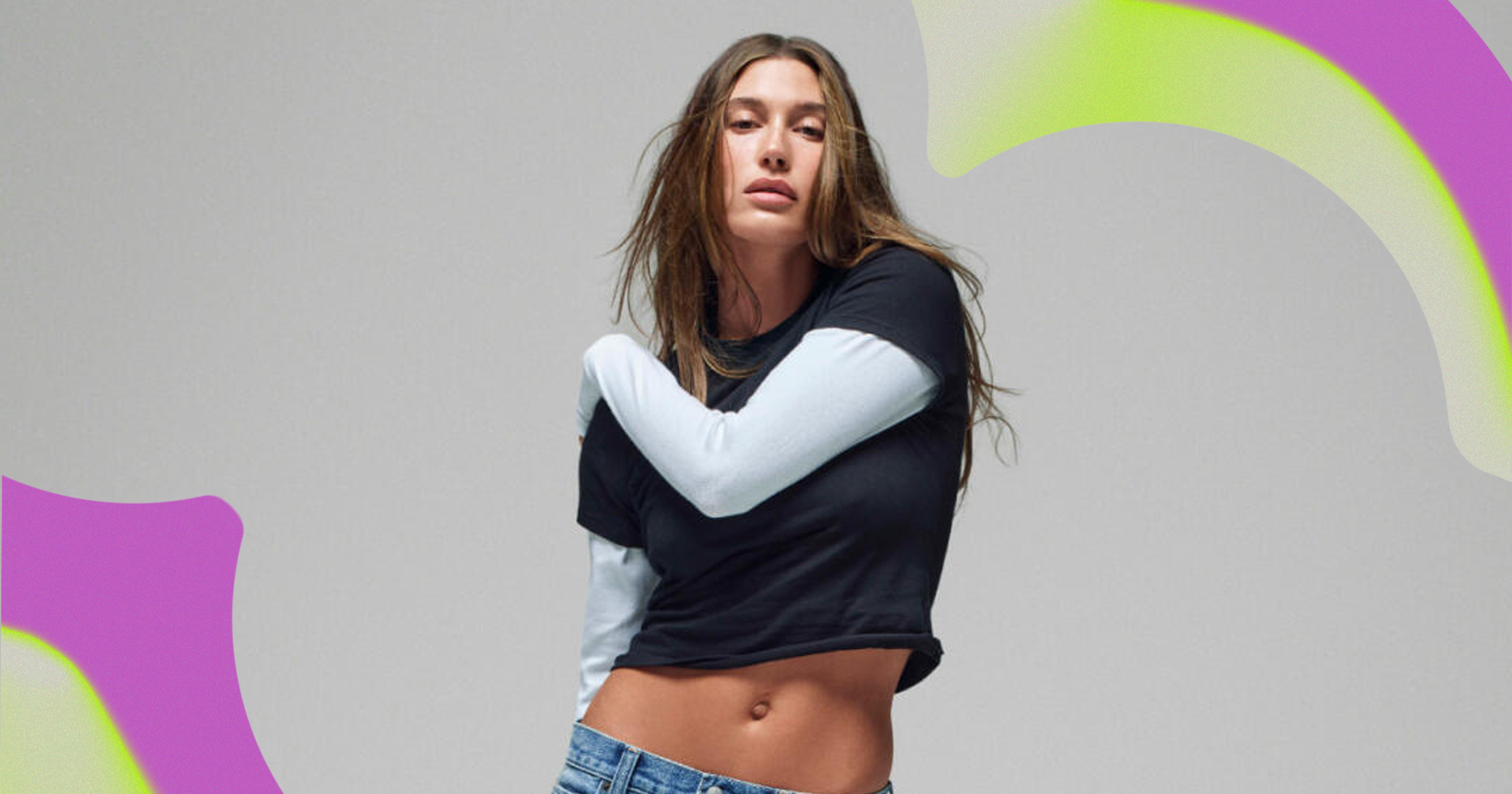
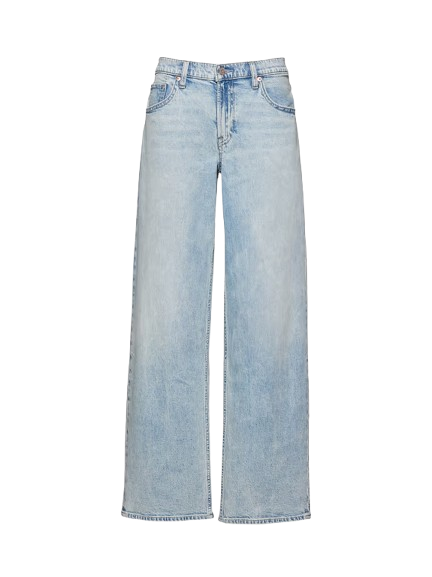
The Hailey Jean is a two-piece limited-edition denim capsule created with Hailey Bieber, built on the premise that the best jeans are the ones that take months to become themselves. Both styles – the Hailey Extra Baggy Jean and the Hailey Low Rise Loose Jean – are cut from 100% cotton rigid denim, the kind that stiffens in the wash and softens on the body, eventually holding the shape of whoever’s wearing it. That’s not a stylistic detail. It’s a material philosophy that hasn’t been Gap’s dominant pitch in a long time.
The Extra Baggy Jean pulls its proportions from a vintage men’s Gap fit that Bieber already owned and wore. The Low Rise Loose runs in a silhouette that reads immediately as late ’90s – the era when low-waisted, relaxed denim was just called getting dressed. Both styles come in three washes, each selected by Bieber, and carry two small identifiers: her signature and the number 1996, the year she was born.
Bieber wasn’t attached to the marketing after the design was done. She was involved in the design itself, along with the merchandising and the campaign direction – the kind of involvement that tends to result in a product that looks less like a celebrity partnership and more like something the celebrity would have pushed for anyway. Gap’s SVP and global head of design Jane Pattinson described the process as building “around the relaxed silhouettes she naturally gravitates toward and the effortless way she styles them in her everyday wardrobe.”
The reference points Bieber cited were clear: vintage Levi’s 501s that break in over time, and the Calvin Klein jeans famously worn by Carolyn Bessette Kennedy – two denim archetypes that both peaked in cultural consciousness before Bieber was old enough to wear them. That’s the thing about ’90s denim nostalgia right now. The people most enthusiastic about it are often the ones who were too young to experience it the first time.
Why 1996 Is Doing a Lot of Work Here
Bieber has been explicit about what draws her to that decade’s approach to getting dressed. “There was something so effortless about that era and the way people wore denim,” she said in the release. “We wanted the campaign and the collection to capture that same feeling in a way that felt modern, nostalgic, and personal.” The year 1996 isn’t just a signature detail stitched onto a waistband – it’s the conceptual anchor for the entire aesthetic argument the collection is making.
Gap’s own identity is tangled up in that decade. The brand’s advertising from the mid-to-late ’90s – the swing dancers, the khakis campaigns, the clean basics in every color – became shorthand for a particular kind of uncomplicated American style. That image faded over two decades of shifting retail priorities, but it never fully disappeared. Collaborations like this one are Gap’s most direct line back to the era where it actually set the cultural temperature rather than followed it.
For Bieber, the ’90s aren’t an aesthetic choice in the way that, say, cottagecore was for someone else in 2020. Her relationship to that decade’s style reads as genuinely personal – she grew up inside it, even if only for the first few years. “Gap has been a part of my wardrobe since I was a kid, so this came together very organically,” she said. The brand, in other words, wasn’t a calculated move toward heritage. It was already in her closet.
What makes the collection land differently than a standard celebrity denim drop is the specificity of the fit choices. The Extra Baggy Jean isn’t just oversized – it’s pulling from a proportional logic rooted in menswear, the kind of borrowed-from-the-boys silhouette that has been cycling back hard across runways and street style in the past two seasons. As styling rules loosen and individual pieces carry more conceptual weight, the way denim is proportioned has become one of the clearest signals of where someone’s taste actually sits.
Pattinson’s description of Bieber’s relationship to denim – that she “understands it in a very instinctive way, from proportion and fit to how it actually moves and wears on the body” – is the kind of quote brands write for celebrity partnerships, but it’s harder to dismiss when the product in question is built on a vintage men’s cut she was already wearing before any deal was signed. That sourcing detail, more than any campaign language, is the argument for the collaboration’s authenticity.
The Limits of Limited Edition
The collection is limited-edition, which raises the same question it always does: is the scarcity intentional pressure, or is it a hedge against an uncertain volume bet? Gap has used the limited-release format before with its viral collaborations, and the results have ranged from genuine sell-out moments to quiet clearance. The Hailey Jean carries more directional specificity than most of those drops – the 100% cotton rigid denim alone narrows the audience to people who actively want a jean that takes time – but specificity and commercial scale don’t always move together.
What’s notable is that the jeans aren’t trying to be everything. They’re baggy or they’re low-slung. They break in slowly. They have a birth year stitched into the waistband. For a brand that spent years trying to recover broad appeal, this is a surprisingly narrow swing – and narrow is exactly what the current denim conversation seems to reward.