





The Mall Perfume You Forgot About Just Got a Serious Upgrade
Long before Le Labo became a status symbol tucked into carry-on bags and Sol de Janeiro turned body mist into a personality trait, mall culture had its own fragrance hierarchy – and Gap sat near the top of it. Dream, Heaven, Grass, and Om weren’t just minimalist names slapped on bottles; they were the bestselling scents of a generation that bought their first pair of jeans at the same counter. Now, after years off shelves, Gap has brought the collection back – redesigned, reformulated, and with a fifth scent added: Harmony.
What makes this relaunch worth paying attention to is the person behind it. Gap tapped Jérôme Epinette, the perfumer responsible for Byredo’s Gypsy Water and Bal d’Afrique, as well as the entire fragrance lineup for newer brand NOYZ. That’s not a name associated with affordable mall retail – and that contrast is exactly what makes the collection interesting.
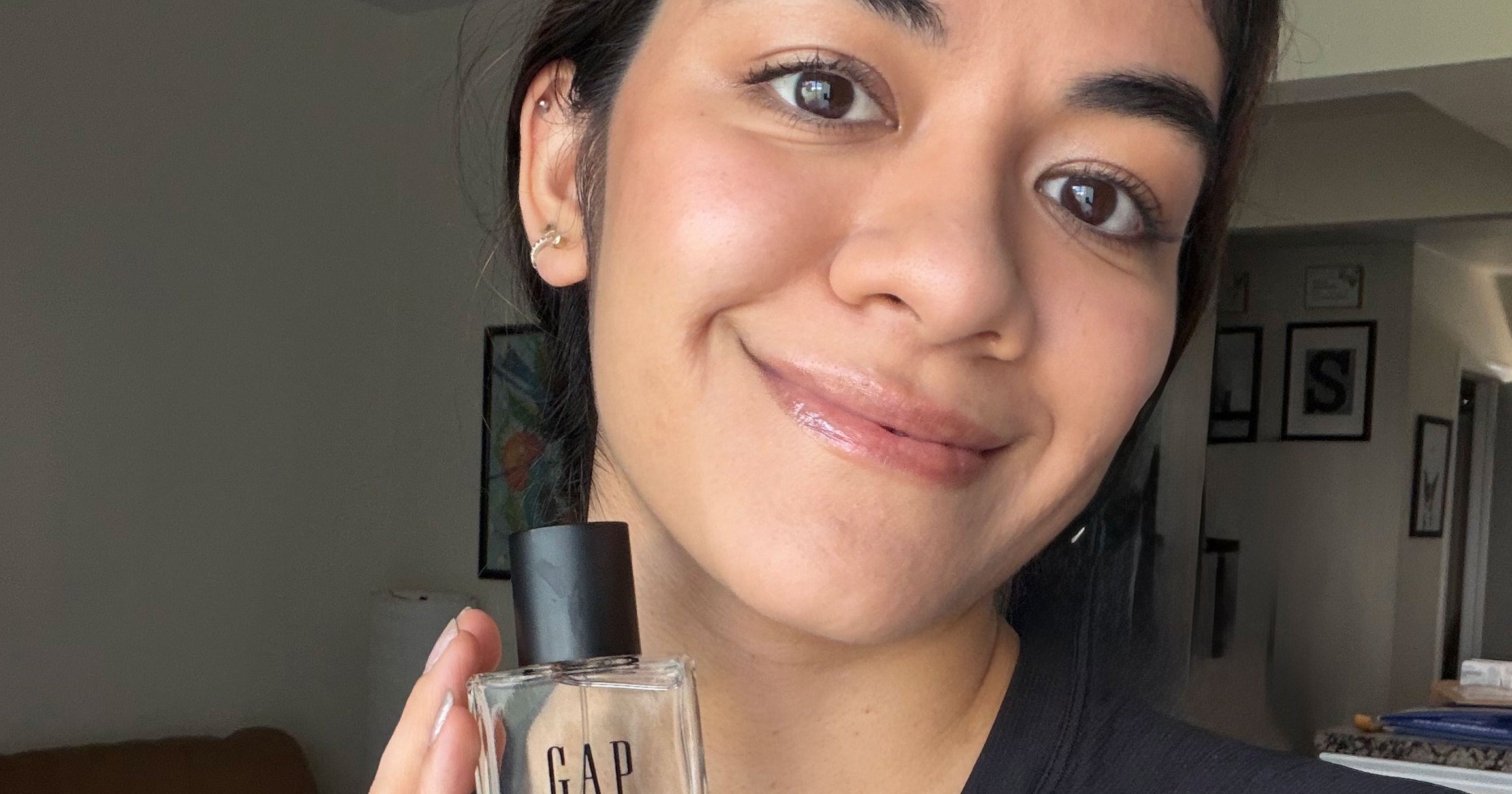
Heaven and Grass: The Two Scents That Define the Range
Heaven leads the collection and immediately earns its reputation as the crowd-pleaser. It sits in the floral amber family – a category that pairs romantic florals with warm, resinous base notes like amber, ambrox, and tonka bean – but Madagascar vanilla is what actually takes over on skin. There’s also juicy pear and honeysuckle in the mix, with patchouli and musk grounding everything into something warmer and more skin-forward than its sugary opening suggests.
The result is sweet without being juvenile, and surprisingly close to the kind of scent you’d expect from a Victoria’s Secret launch – which, depending on your relationship with that era of fragrance, is either a compliment or a red flag. It performs especially well on hair and clothes, which matters more than most people admit when weighing whether a fragrance is worth the shelf space.
Where the Collection Gets More Complicated
Grass, on paper, targets a different kind of fragrance buyer – the one who reaches for crisp, herbaceous, citrus-forward scents during summer and considers “clean” a genuine aesthetic rather than a marketing shorthand. Its profile makes a strong opening argument. The issue is that clean, green fragrances are also the category most likely to disappoint when they lose their top notes, because the middle and base have less to catch you.
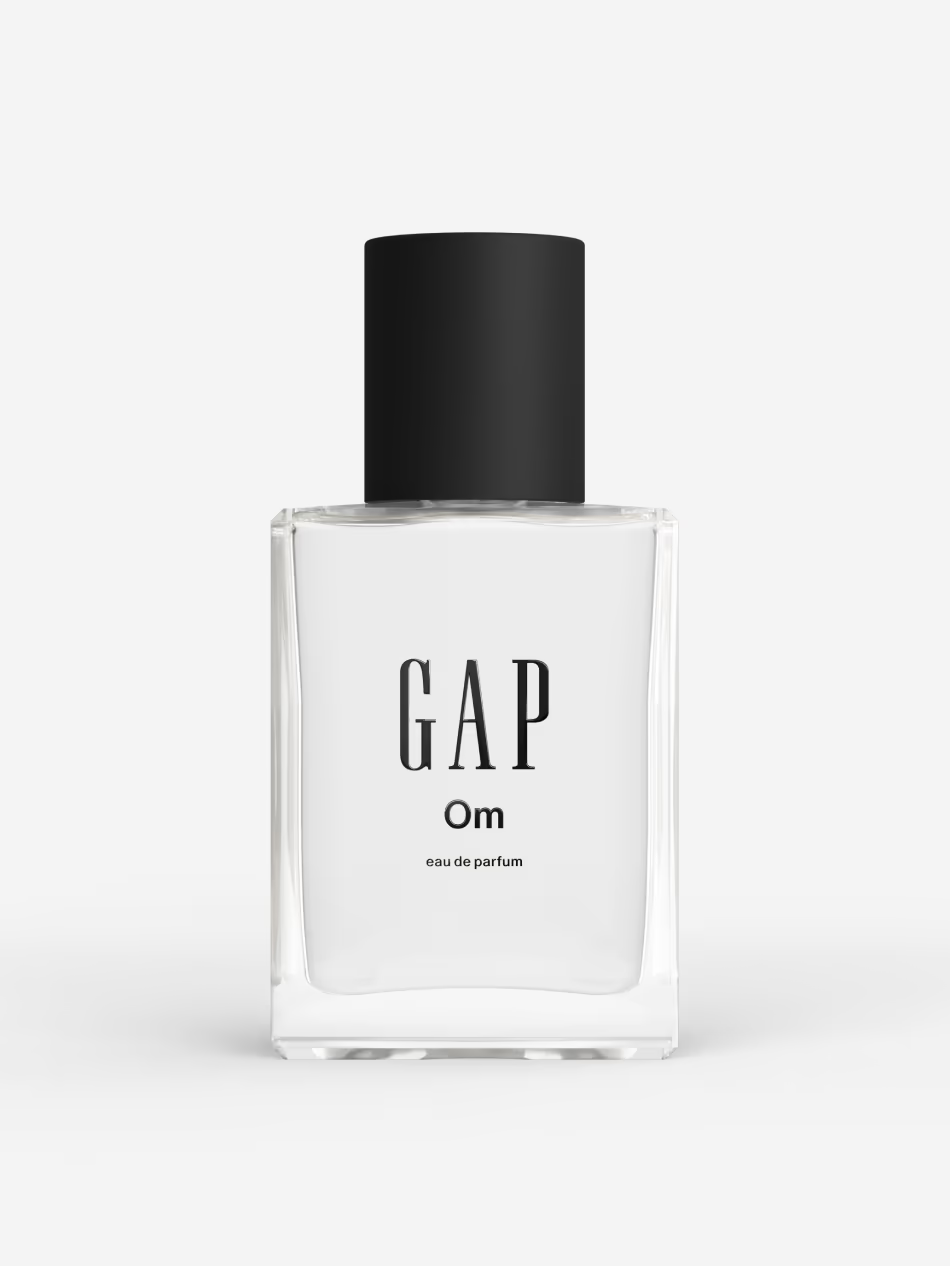
Dream and Om round out the original four, representing the softer and earthier ends of the spectrum respectively. These were the scents that built the original cult following – the ones people associate with a specific year, a specific dressing room, a specific version of themselves at 16. Reformulations always carry the risk of breaking that spell, and Epinette’s brief here was to modernize without erasing what made them recognizable in the first place.
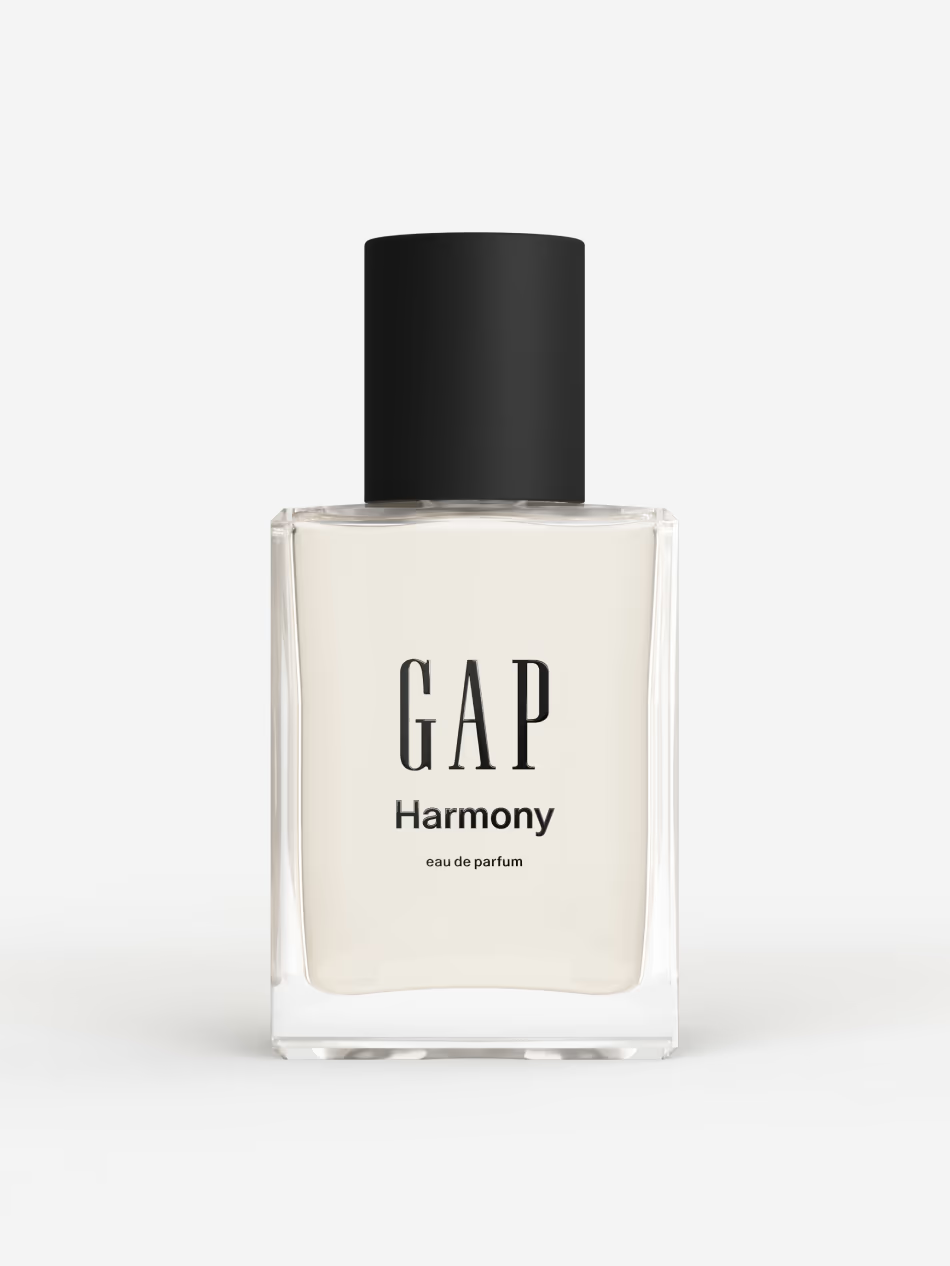
Harmony, the one entirely new addition to the lineup, doesn’t have nostalgia working in its favor the way the others do. It has to earn its place on its own terms – which is either a disadvantage or the most honest position a fragrance in this collection can occupy. There’s no memory attached to it, no associations to trigger. It’s just a scent that either works or doesn’t.
The pricing keeps the collection accessible in a way that actually matters to how people use fragrance. These aren’t bottles you’d ration. The affordable entry point means you spray freely, layer without guilt, and replace without agonizing – which changes the entire experience of wearing a perfume and often leads to it becoming a genuine daily habit rather than a special-occasion ritual.
What Epinette’s Involvement Actually Signals
Jérôme Epinette building Byredo’s two most recognizable scents and then turning around to reformulate Gap’s catalog isn’t a contradiction – it’s a sign of where the fragrance industry is heading. The wall between niche perfumery and mass retail has been eroding for years, and hiring a perfumer with serious credentials for an accessible brand is becoming less surprising and more expected.
The question the collection quietly raises is whether nostalgia alone is enough to sustain a relaunch, or whether Epinette’s involvement gives it something more durable. Byredo built its reputation on scents that felt transportive without being literal about it – abstract enough to feel personal, wearable enough to become habitual. If any of that instinct carried over into the Gap reformulations, the collection has a longer shelf life than a nostalgia play typically earns.
Five Scents, One New Name, and What It Means for Your Routine
For anyone already building a fragrance wardrobe this season, the Gap collection offers something most new launches don’t: an affordable entry point into a recognizable scent family, made by someone who knows how to construct a fragrance that lasts beyond first impression. Heaven works best for evenings. Grass suits people who prefer their scents to feel like weather rather than perfume. Harmony has no history to compete with, which gives it a clean opening.
The full lineup – Heaven, Grass, Dream, Om, and Harmony – is available now. Four of them carry decades of association and the pressure that comes with it. One of them carries nothing except what Epinette decided to put in the bottle.
Whether a reformulated mall fragrance can hold its own next to the Le Labos and Byredos on someone’s actual shelf is a different question from whether it deserves to be there – and Gap is clearly betting those aren’t the same question at all.