



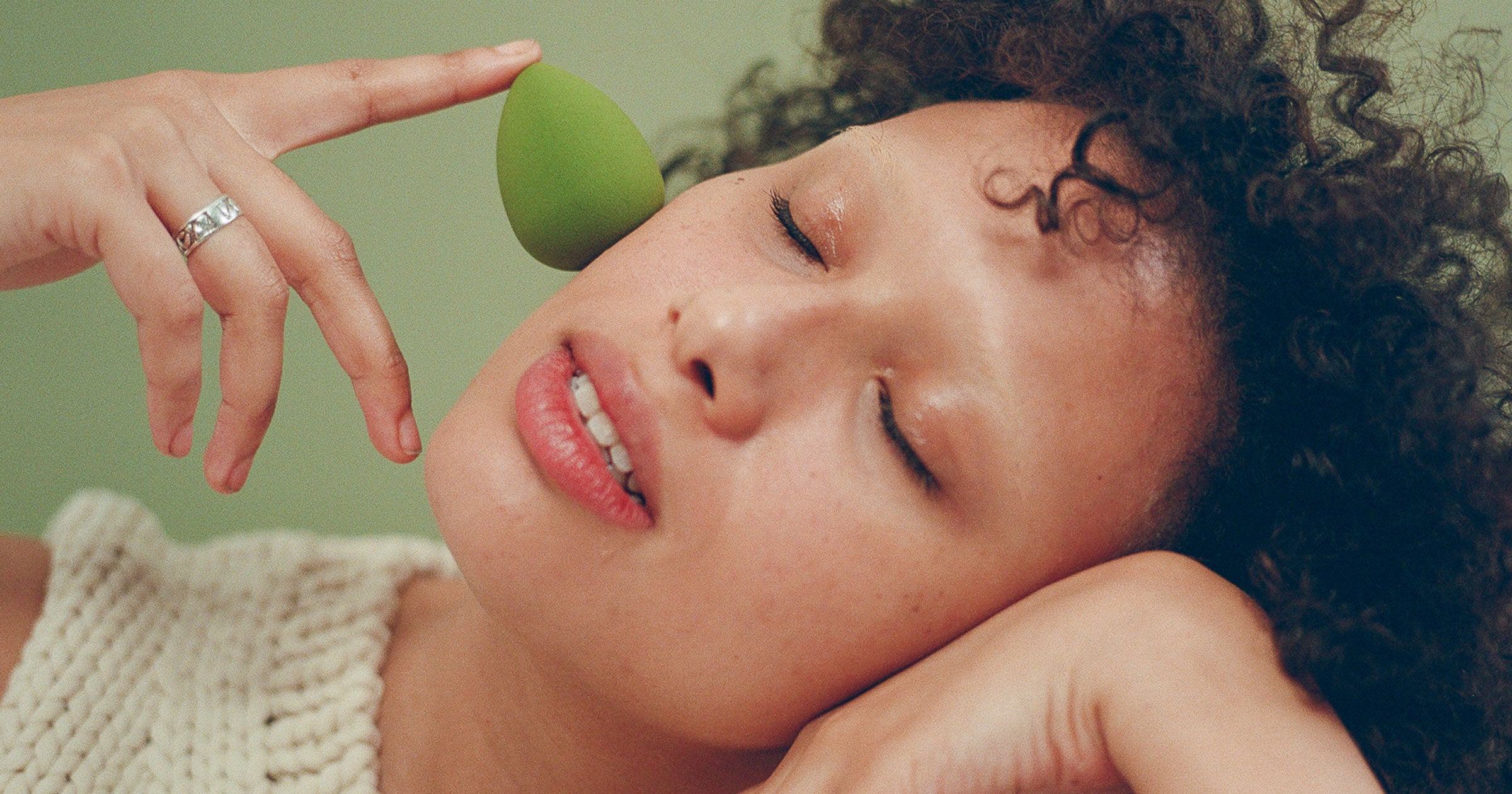
Something shifted in the makeup aisle – quietly, then all at once. The language that once defined complexion products, words like “cover,” “mask,” and “hide,” has given way to a different vocabulary entirely, one obsessed with skin that looks like skin.
From Drugstore Aisles to Skin Tint Dominance
A decade ago, full-coverage foundation wasn’t just popular – it was the assumed baseline. Teen magazines and YouTube beauty tutorials in the 2010s framed complexion products around concealment. For anyone dealing with severe acne, that framing made complete sense. The goal was simple: make the skin disappear, replace it with something smooth and even.
That era produced a specific kind of makeup wearer – someone trained to believe that visible skin was a problem to solve. The products reflected that belief: thick, opaque formulas engineered to obliterate texture, redness, and any sign of a pore. And they sold.
But skin tints – lightweight, skincare-hybrid formulas that deliver a sheer, almost translucent veil of color – barely existed in the 2010s. Now they’re everywhere, crowding shelves and filling makeup bags that once held nothing but full-coverage bottles. The product category didn’t just grow; it colonized the space that matte, full-coverage foundations used to occupy without competition.
The shift isn’t purely aesthetic. It reflects a change in what people want their skin to communicate. Covered skin once read as polished. Now, skin that looks finished but visibly real is what signals effort. That’s a meaningful reversal – and it’s happening fast enough that the full-coverage category is starting to feel defensive about its own existence.
What’s Actually Filling the Gap
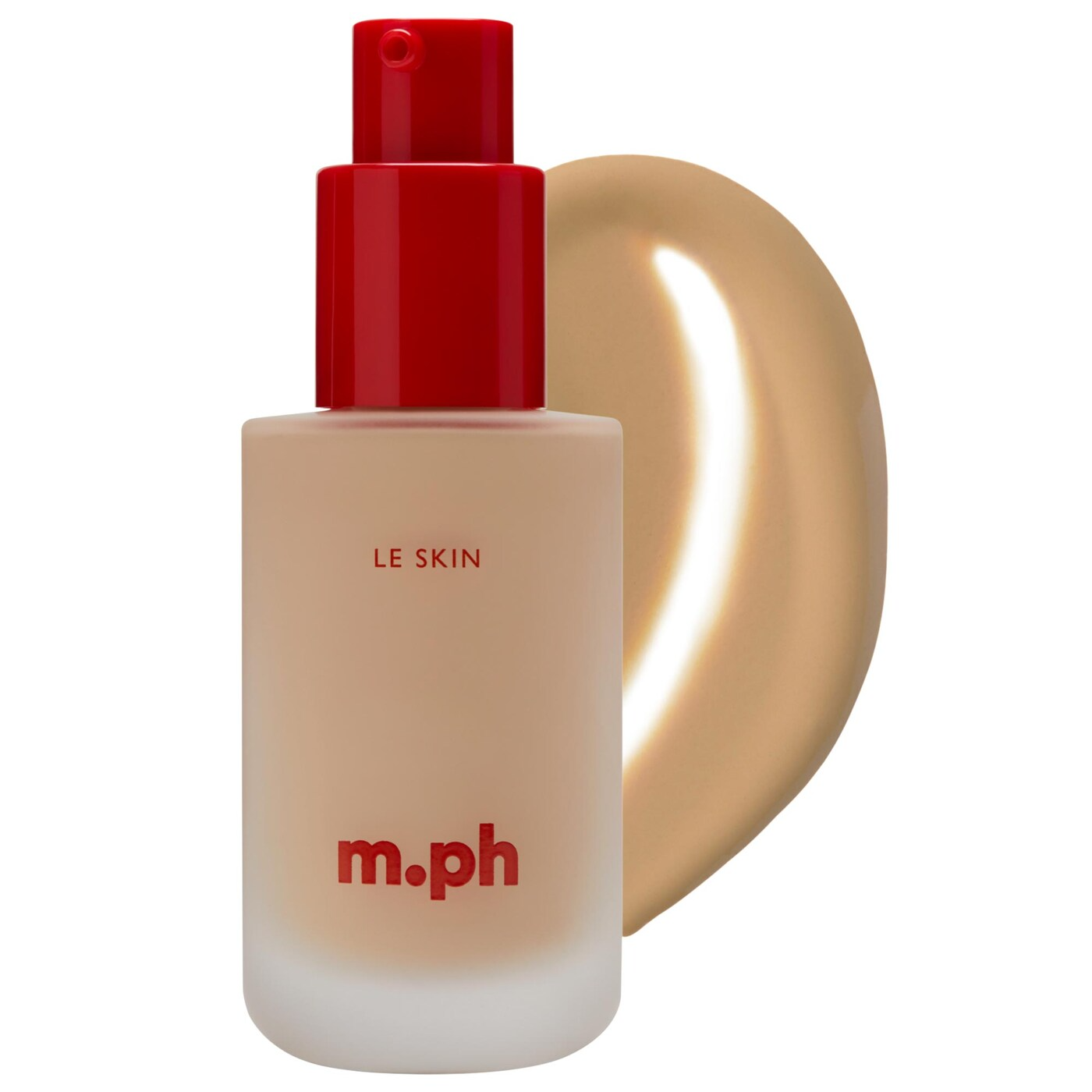
Celebrity makeup artist Mary Phillips is direct about where client preferences have landed: “I definitely think people are wanting their skin to look and feel more like skin – and for me, that’s always been the goal.” Her clients, she says, want a complexion that feels perfected without erasing the real skin underneath. That’s a subtle but important distinction – perfected, not replaced.
Skin tints are the most visible part of this shift, but they’re not the whole story. Buildable, medium-to-full-coverage formulas have improved dramatically, engineered with finishes that read natural rather than made-up. The category isn’t shrinking so much as it’s being redesigned around a different outcome. Even products that deliver significant coverage now do so while mimicking the texture and movement of bare skin – which means the definition of “full coverage” is itself changing.
The concealer has also quietly absorbed a lot of the coverage work that foundation used to handle alone. Targeted application – covering specific spots rather than blanketing the entire face – fits neatly into the current preference for skin that looks selectively addressed rather than uniformly coated. It’s a more labor-intensive approach in some ways, requiring more precision, but the result aligns with what people actually want to see in the mirror.
What makes this moment interesting is that the retreat from full coverage isn’t about abandoning coverage entirely. It’s about coverage on different terms. The blurred-but-not-completely-covered complexion is the dominant aesthetic right now – visible skin texture, some natural unevenness, maybe a freckle showing through – and the products winning market attention are the ones that can deliver that specific finish without looking accidental or unfinished.
For makeup wearers who grew up in the heavy-coverage era, this requires a genuine unlearning. The instinct to add more product when something doesn’t look right is deeply ingrained. The current aesthetic actually demands the opposite: when skin looks too covered, the answer is usually less, not more. That’s a harder psychological shift than it sounds, especially for anyone whose relationship with full-coverage foundation was built around managing something they were self-conscious about.
Skincare’s expanding role in this equation can’t be ignored. As people invest more in serums, treatments, and barrier-focused routines, the skin itself becomes something worth showing – not hiding. When your skin is in better shape, covering it entirely starts to feel like a waste of the work you’ve put in.
What Full-Coverage Foundation Is Actually Up Against
Full-coverage foundation isn’t disappearing from shelves, and there’s a real segment of makeup wearers for whom it remains the right tool – people managing hyperpigmentation, melasma, visible scarring, or conditions that sheer coverage simply won’t address. The product has a purpose, and that purpose doesn’t expire because aesthetics shift. But it is being repositioned, consciously or not, as a specialty item rather than a default starting point.
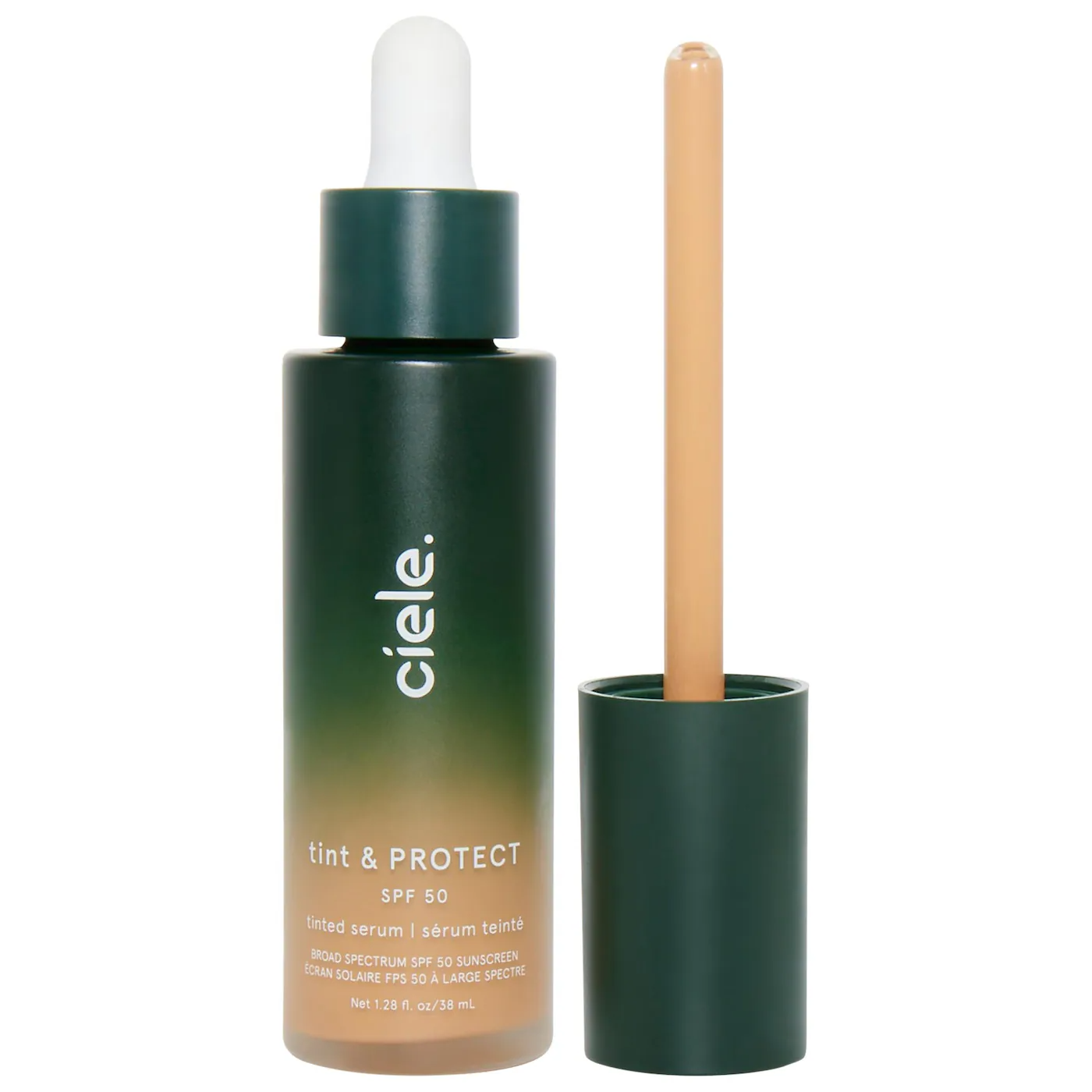
The question the beauty industry is sitting with right now is whether the full-coverage formula can evolve convincingly enough to stay relevant in a market where “skin first” is no longer a niche preference but the loudest signal in the room. Buildable formulas that let wearers control their own coverage ceiling are one answer. Skin-like finishes that trick the eye into reading heavy coverage as bare skin are another. Whether either of those is enough to compete with a skin tint that costs less, applies faster, and already matches exactly what the moment is asking for?