



The Waistband That Won
Drawstring pants have done something most fashion trends fail to do: they made comfort look expensive. Not yoga-mat comfortable, not airport-lounge comfortable – actually polished, intentional, put-together. The kind of outfit that reads as effortful without requiring any. And right now, enough people have noticed that Google search data confirms a steady year-over-year increase in interest for the style, while Copenhagen Fashion Week offered its own street-level proof, with multiple attendees building full looks around adjustable-waist trousers.
That’s a meaningful convergence. When algorithm-tracked consumer curiosity lines up with what’s happening outside the shows at one of Europe’s most-watched fashion weeks, it stops being a flicker and starts being a full-on moment. Drawstring pants are there.
What Actually Makes Them Work
The appeal isn’t purely aesthetic – it’s structural. Drawstring trousers do what very few wardrobe pieces can: they span seasons without requiring a style overhaul. On a hot August afternoon, the lightweight, often wide-leg construction lets air move. Come September, the same pair works under a heavier knit without the fit going wrong. For anyone thinking about cost-per-wear – arguably the most honest metric in fashion – a pant that earns rotation from July through November is doing serious financial work.
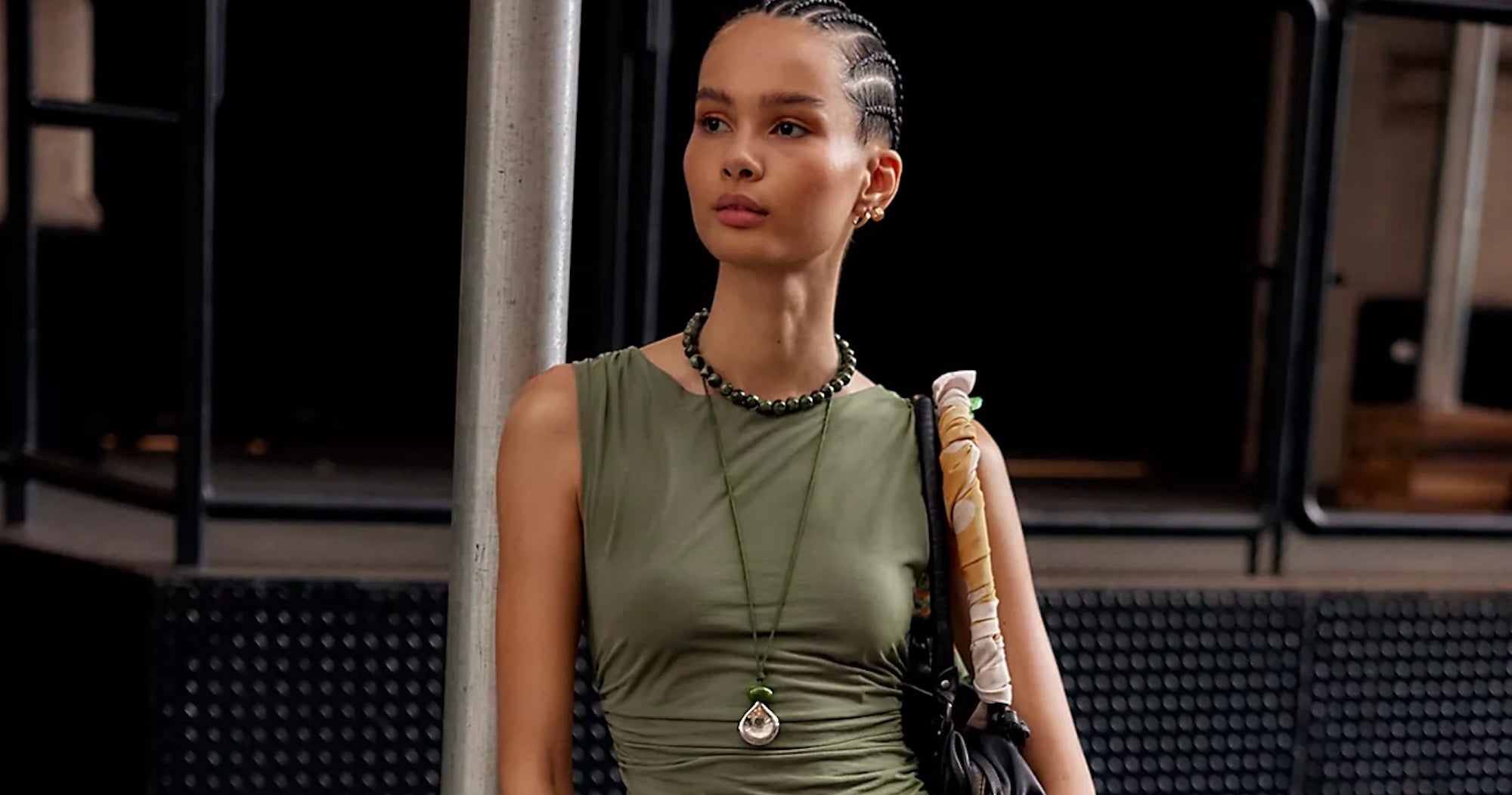
They also sit in a silhouette gap that neither leggings nor tailored trousers quite fill. Leggings, despite their enduring popularity, read as athletic unless styled very specifically. Traditional trousers carry formality that clashes with casual dressing. Drawstring pants land somewhere more interesting: structured enough to feel dressed, relaxed enough to feel human. The styling ceiling is high. A frilly lace blouse pulls them toward something romantic. A simple tank top strips them back to clean and modern. A pendant necklace, a pair of oversized sunglasses – small finishing choices shift the entire register of the look.
There’s also the fit question, which drawstring designs answer better than most. The adjustable waist removes the guesswork that kills so many trouser purchases. You don’t need to know your exact measurements or gamble on a brand’s sizing interpretation. You pull, you tie, you wear. That simplicity is part of why the style translates so well across body types and why shoppers who have historically struggled with trouser fits are gravitating toward them now.
The silhouette variations help too. This isn’t a single look – it’s a category. Barrel-leg cuts give the style a sculptural quality. Straight-leg versions read closer to classic tailoring. Wide-leg iterations feel maximalist and runway-ready. Each variation serves a different aesthetic without abandoning what makes drawstring pants fundamentally easy to wear.
The Specific Pieces Moving Right Now
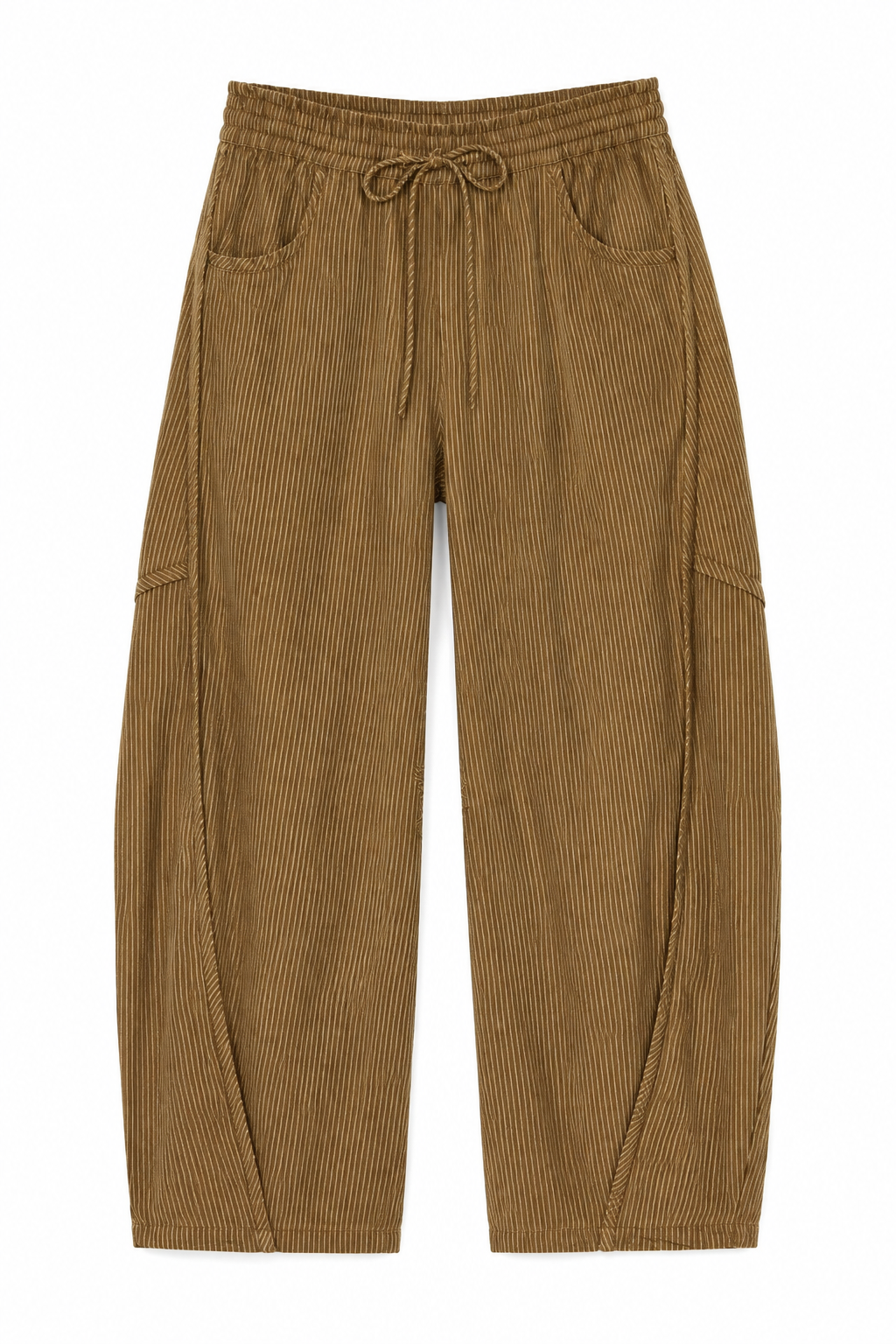
Free People’s barrel-leg drawstring pant is one of the most-watched items in the category at the moment – described as nearly sold-out, the curvy silhouette positions it as a modern update rather than a straightforward basics play. The barrel shape in particular does something the traditional straight-leg can’t: it adds visual interest at the widest point of the leg, creating proportion play that feels deliberate rather than default.
J.Crew’s Luna pant is operating on different logic – not scarcity, but range. Seven colorways give shoppers genuine choice, and the fact that the brand has produced petite and tall variations means the pant isn’t quietly designed for one body type and theoretically available to others. That kind of size thinking is what keeps a style from feeling exclusive in practice even when it presents as universal on paper. Both pants are, by most accounts, moving fast.
How Copenhagen Fits Into This
Copenhagen Fashion Week has become a reliable early signal for what’s about to land in mainstream wardrobes. The attendees – a mix of buyers, editors, influencers, and designers – don’t dress randomly. Street style there functions as a kind of curated forecast, and when a specific silhouette shows up repeatedly outside the shows, it’s worth paying attention. Drawstring pants appeared on multiple people during this past season, which places them in the same category as other street-style-to-widespread-adoption stories the week has generated. Copenhagen Fashion Week Spring 2027 also put haircut trends on notice in a similar way – the city has a habit of surfacing what’s next before it becomes obvious everywhere else.
The Google data running parallel to the Copenhagen sightings matters because it suggests the trend isn’t confined to fashion-insider circles. Search behavior reflects a broader curiosity that extends to people who aren’t attending fashion weeks or reading trade coverage. Year-over-year growth in searches means repeat interest – people looking once, then looking again, then eventually buying. That pattern describes a trend gaining actual traction rather than one being manufactured through editorial coverage alone.
Where This Goes From Here
Drawstring pants won’t replace tailored trousers or make leggings irrelevant. That’s not how category trends work. What they will do – and are already doing – is occupy a specific wardrobe slot that previously had no clean answer: the dressed-up casual pant that works in real life, across real temperatures, without demanding precision styling to land correctly. That slot has been empty for a while, which is part of why the search numbers are climbing.
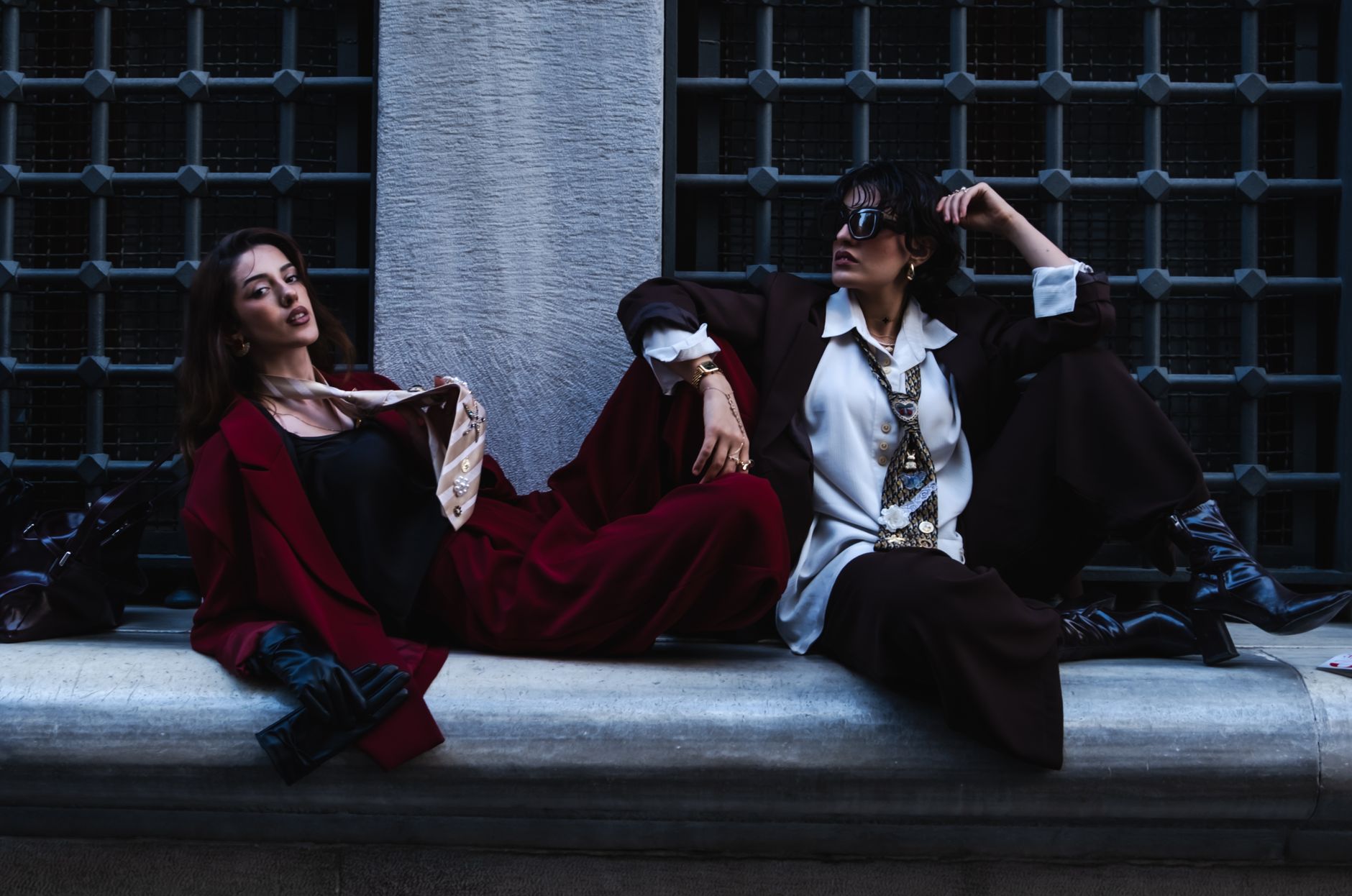
The styling flexibility is real, but it also raises the one tension the trend hasn’t fully resolved: because drawstring pants work with so many things, they can also disappear into an outfit rather than define it. The looks that photograph best – the ones circulating from Copenhagen – tend to have a strong second element, whether that’s a lace blouse with real volume or sunglasses substantial enough to register as a choice. The pant does a lot, but it’s asking something in return.
Free People’s barrel-leg version sitting at near-sold-out status while J.Crew’s Luna pant ships in seven colors across petite and tall sizing – those two facts together describe a market that has decided this style is worth stocking, worth buying, and worth replacing when it wears out. Whether the barrel silhouette holds or gives way to a straighter cut by winter is the question the industry is now quietly watching.