




The Cuts Everyone Is Wearing Outside the Shows
Copenhagen Fashion Week has a way of surfacing the haircuts that end up dominating the next six months of salon appointments. While the runway shows inside pull attention, the real reference material has always lived outside – on the streets, in the queues, caught mid-stride by photographers like Christian Vierig and Edward Berthelot. Spring/Summer 2027 is no different, and the cuts landing this season are specific enough to actually bring to your stylist without a lengthy explanation.
From razor-sharp bobs to sculptural Koroba braids and ’70s-inflected layers, Denmark’s best-dressed attendees have arrived with hair that feels deliberately considered rather than thrown together.
What’s striking isn’t just what people are wearing on their heads – it’s how consistent the overall direction is, even across wildly different hair types, textures, and lengths. There’s a clear current running through all of it: volume, movement, and cuts that hold structure without looking stiff.
Layers Are the Clear Frontrunner This Season
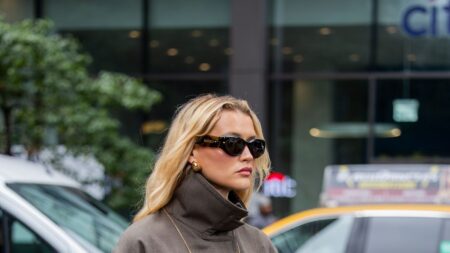
Butterfly layers are appearing everywhere across Copenhagen Fashion Week street style, and the effect they’re creating is notably different from the choppy, heavily textured versions that dominated a few years back. These are softer – built for movement rather than edge. When styled with volume, they take on a quality that reads as effortless but requires an actual technique to pull off. A hot brush makes a significant difference here; the Shark Glossi 2-in-1 Hot Tool and Air Glosser has been recommended specifically for achieving that kind of lift-without-crunch finish.
Invisible layering is running alongside the butterfly cut as a parallel trend. One guest photographed by Edward Berthelot wore soft, invisible layers through her waves that created a cascading effect – the kind of result that looks like your hair just does that naturally. It doesn’t, obviously. A large-barrel curling wand like the ghd Chronos Curve Grand Curling Iron, used after a heat protectant, gets you there. The prep step matters more than people give it credit for.
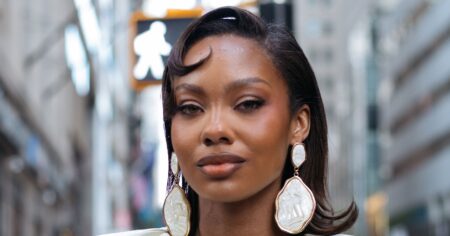
The ’70s influence threading through both cuts is hard to miss. It’s showing up in the weight distribution – heavier through the mid-lengths, lighter at the ends – and in the way hair is being worn away from the face rather than tucked in around it. It’s a relaxed, unhurried silhouette, which is probably why it keeps appearing on people who clearly put significant thought into their overall look.

Bobs, Natural Texture, and the Case for Cowgirl Copper
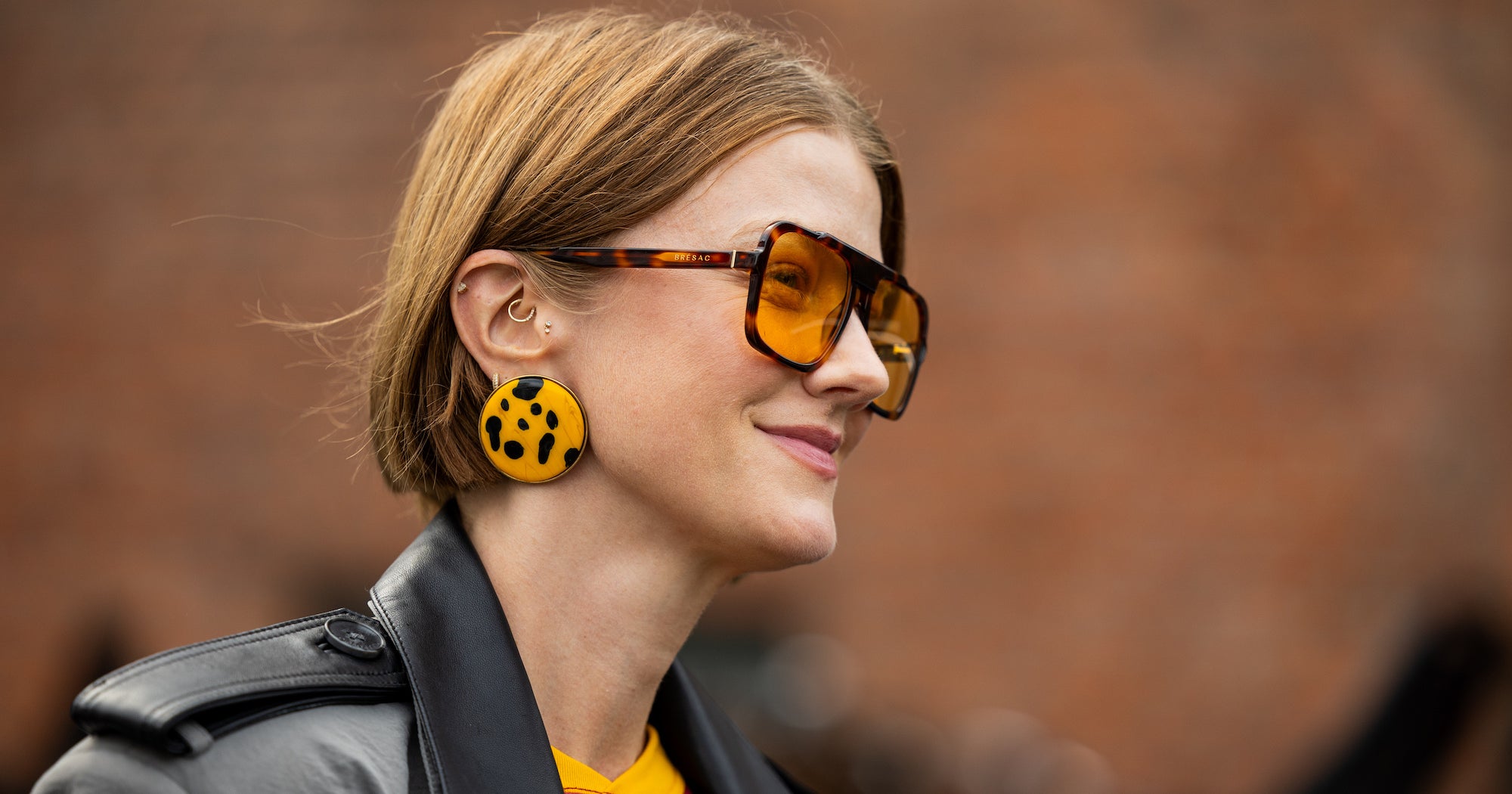
The bob has never really left, but the version circulating at Copenhagen Fashion Week this season has a precision to it that feels renewed. Polly Newman’s blunt bob – with shorter face-framing pieces cut in – was created by Elliot Bute at Hershesons, the London salon with a long-standing reputation for exactly this kind of architectural cut. The shorter pieces around the face do something specific: they create a frame that shifts how the whole look reads, giving the cut a softness around the eyes while keeping the blunt line intact at the perimeter.
Marianne Theodorsen’s jaw-grazing blunt bob is doing something slightly different. Worn tucked behind the ears or framing the face, the cut works in both configurations – which is actually the mark of a well-executed bob. The color is what makes it land, though: a cowgirl copper that sits warm and saturated without crossing into anything neon or artificial. That specific tone is earning real attention this season, and it pairs particularly well with the clean geometry of a blunt cut.
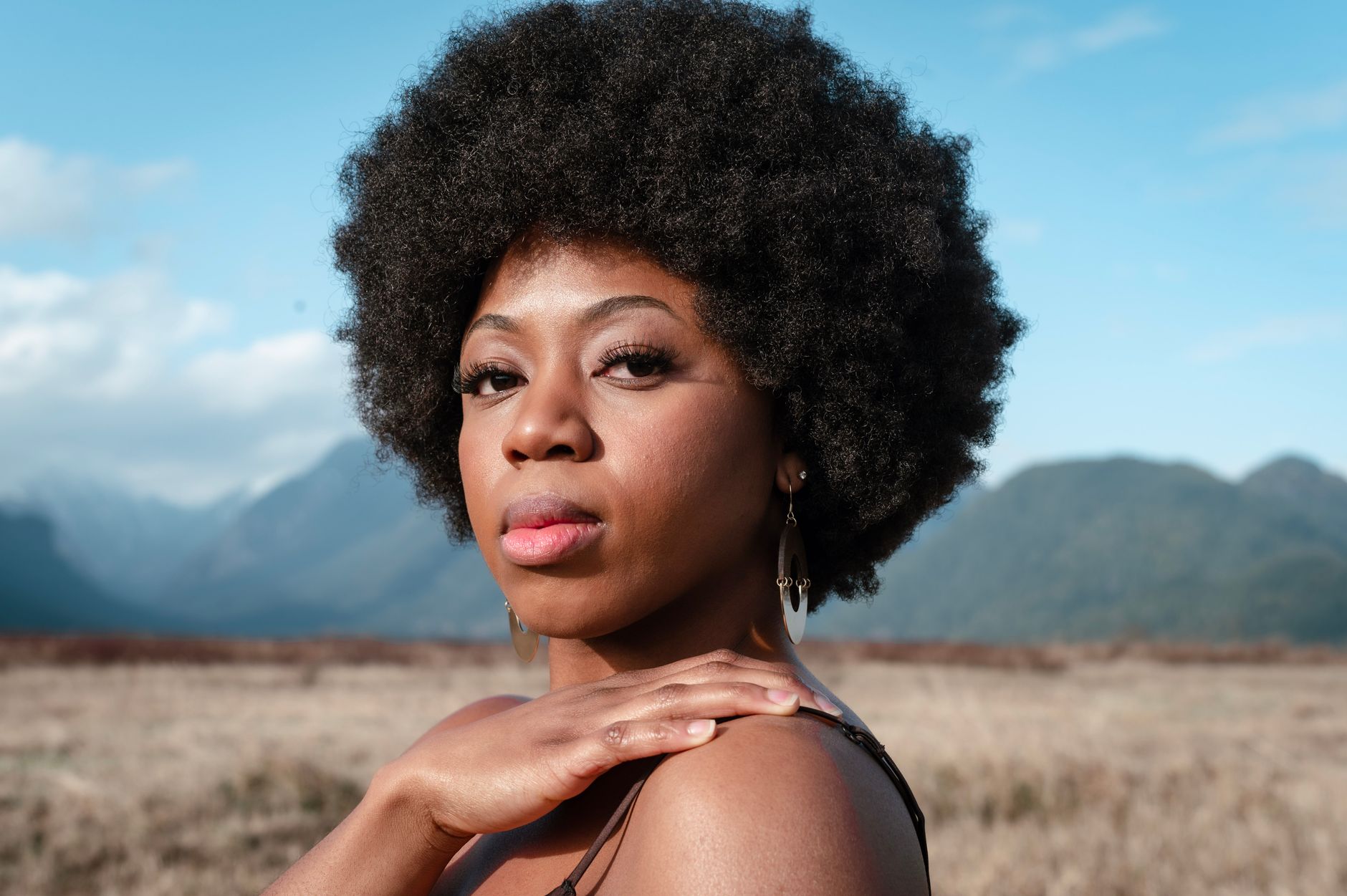
Celebrity hairstylist Lorraine Dublin predicted earlier this year that natural afro hair in longer and medium lengths would become significantly more visible this summer. That prediction is holding up. Several guests photographed during Copenhagen Fashion Week are wearing their natural texture at medium-to-longer lengths with no attempt to alter the curl pattern – just well-maintained, shaped afros that demonstrate what happens when a cut genuinely suits the hair rather than fighting it. The shaggy lob with undone tousles is also appearing, a blunter cut styled with a tool like the ghd Sculpt Interactive Hair Straightener to create waves and curves without the kind of heat damage that tends to undo the whole point of growing out a good cut.
The running thread across all of it is that the best cuts in Copenhagen right now aren’t chasing drama for its own sake – they’re specific, technically considered, and built around how the hair actually behaves. Polly Newman’s bob required Elliot Bute. Marianne Theodorsen’s copper required someone who understands tonal balance well enough not to tip it orange. The real question is whether any of this translates once it leaves Copenhagen – or whether the cuts only look that good because the people wearing them knew exactly what to ask for.