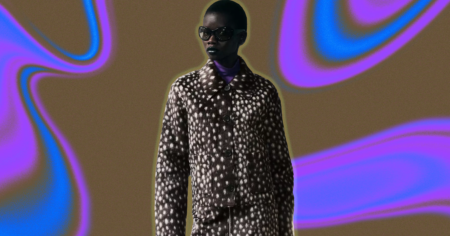





Performance Gear Has Left the Gym Behind
The airport, the farmers market, the coffee shop after a Saturday run – athletic wear has quietly taken over every low-stakes moment of daily life, and it is not leaving. What started as pandemic-era comfort dressing has hardened into something with actual rules, actual proportions, and actual styling logic. Nike’s current lineup sits right at the center of it.
The athlete off-duty aesthetic is not about wearing a full tracksuit to brunch and calling it fashion.
It is about unexpected proportions, deliberate tailoring details, and the kind of outfit that reads effortless because someone thought about it. Sweatpants thrown over a sports bra does not get you there. A sweat skirt with a matching cropped jacket and butter yellow sneakers? That gets you there. The difference is smaller than it sounds and more visible than you would expect.
The Pieces That Are Actually Doing the Work Right Now
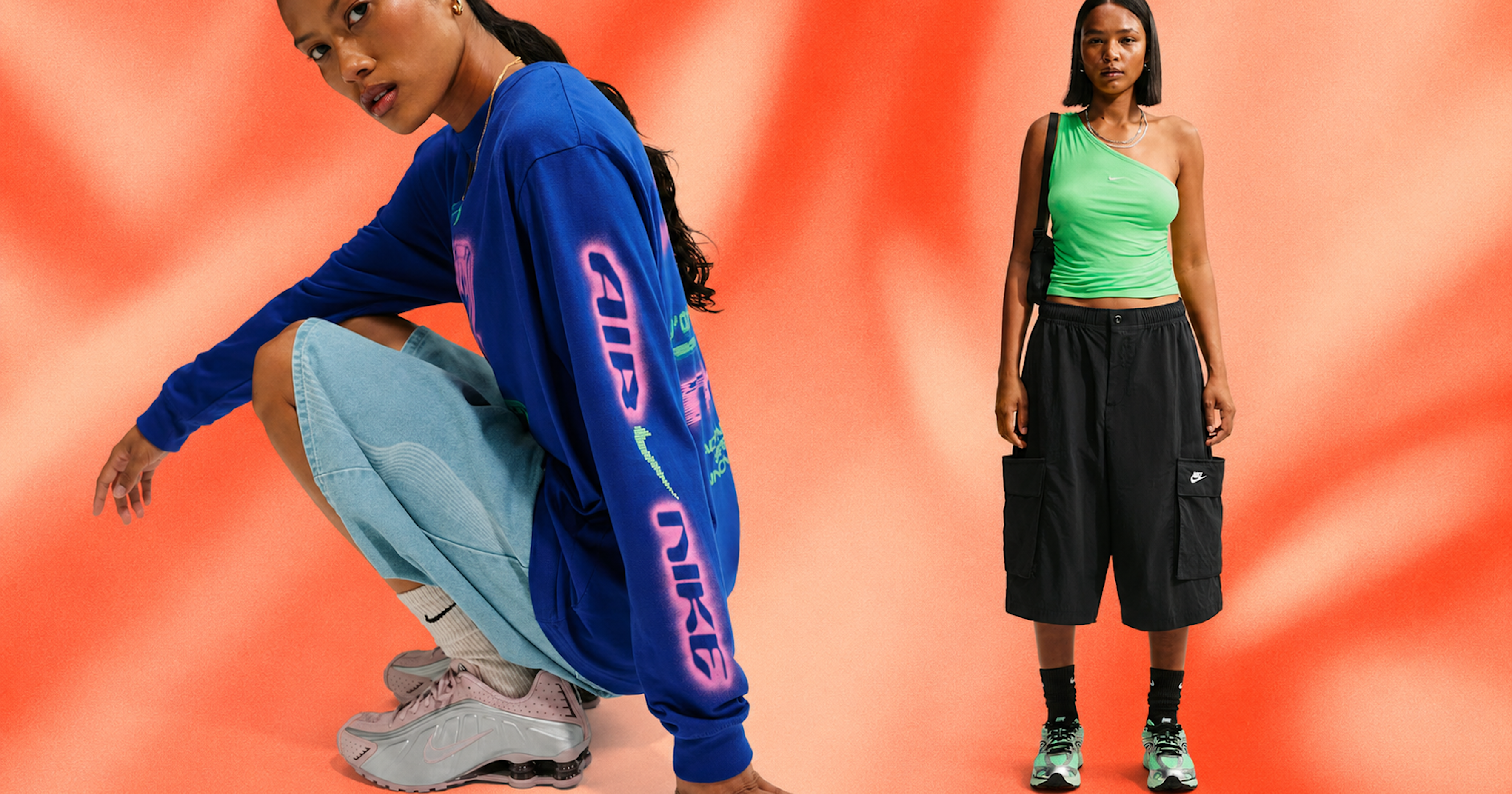
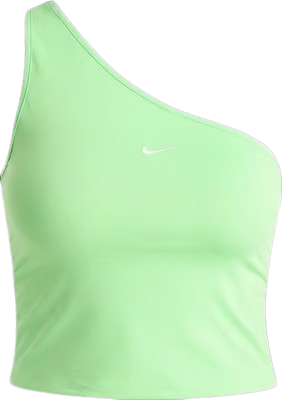
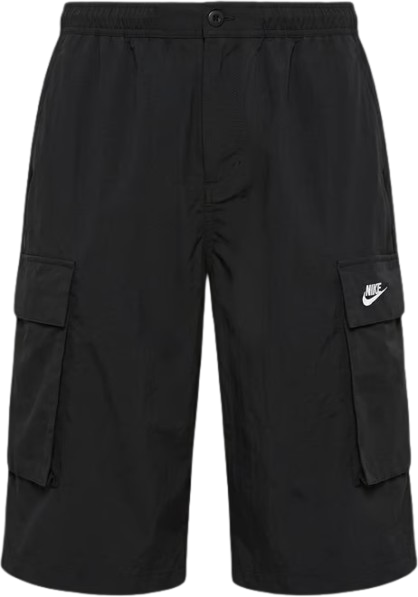
Bermuda shorts are having a moment that refuses to end. The longline silhouette works in athletic dressing because the oversized proportions at the bottom create an automatic need for balance at the top – and that balance comes from something fitted. A one-shoulder tank does exactly that. Pair either piece in an electrifying green colorway and finish with Air Max sneakers, and the outfit stops reading as gym overflow and starts reading as intentional. The color is doing as much structural work as the cut.
Capris and cropped leggings are back, which is a sentence that would have landed differently five years ago. The reason they work now is context and layering – specifically, the cardigan. A ribbed knit cardigan worn with the bottom buttons undone over cropped athletic leggings is the kind of collision between performance and prep that the current moment is built for. Add lace-up statement flats instead of the expected sneaker, and the outfit moves fully out of gym territory without abandoning its athletic DNA. Unexpected bottom choices are reshaping fall dressing more broadly right now, and the flat swap is part of that same instinct.
The coordinating set might be the single most underrated move in athletic dressing. Buy the matching piece – even if you never plan to wear both items together on day one. A matching sweat skirt and cropped jacket in the same fabrication gives you three outfits for the price of two and makes every morning’s decision slightly less exhausting. The styling logic is old, but the silhouette is current: a sweat skirt reads more finished than sweatpants almost automatically, even when made from the same French terry.
Why the Styling Details Are Non-Negotiable
Athletic wear at this level of styling is less forgiving than it looks. A pair of longline Bermuda shorts in utilitarian fabric with a fitted one-shoulder top and classic Air Max sneakers works because every element is doing a specific job. Remove one – say, swap the fitted top for an oversized tee – and the outfit collapses into something that just looks like you forgot to change after practice. The precision is the point, even when the goal is looking like you did not try.
Sneaker choice functions almost like punctuation here.
Butter yellow sneakers against a matching sweat set add what the original styling calls a “wow factor” – a pop of warmth that keeps the monochrome from going flat. Air Max sneakers against an electrifying green short-and-tank combination do the opposite: they ground the outfit in something classic so the color reads as bold rather than chaotic. The shoe is not an afterthought in any of these combinations. It is often where the whole thing either clicks or falls apart, which is why performance footwear has become such a specific cultural obsession beyond its original function.
What Nike’s current pieces make clear is that athletic dressing has developed a genuine vocabulary – proportions, fabric weights, color logic, layering rules. The cardigan-over-capris combination exists because someone understood that ribbed knit and athletic stretch fabric share enough visual weight to sit together without fighting. The cropped jacket over a midi sweat skirt works because the length contrast is sharp enough to look deliberate. None of this is accidental, and none of it is as simple as “sporty clothes are fashionable now.”
The next test for this aesthetic is whether it survives a full cold-weather cycle without retreating back into purely functional territory – because a sweat skirt with a matching jacket reads differently in October than it does in February, and nobody has fully answered what happens to butter yellow sneakers when there is actual snow on the ground.