




652 Days In, and the Bill Is Coming Due
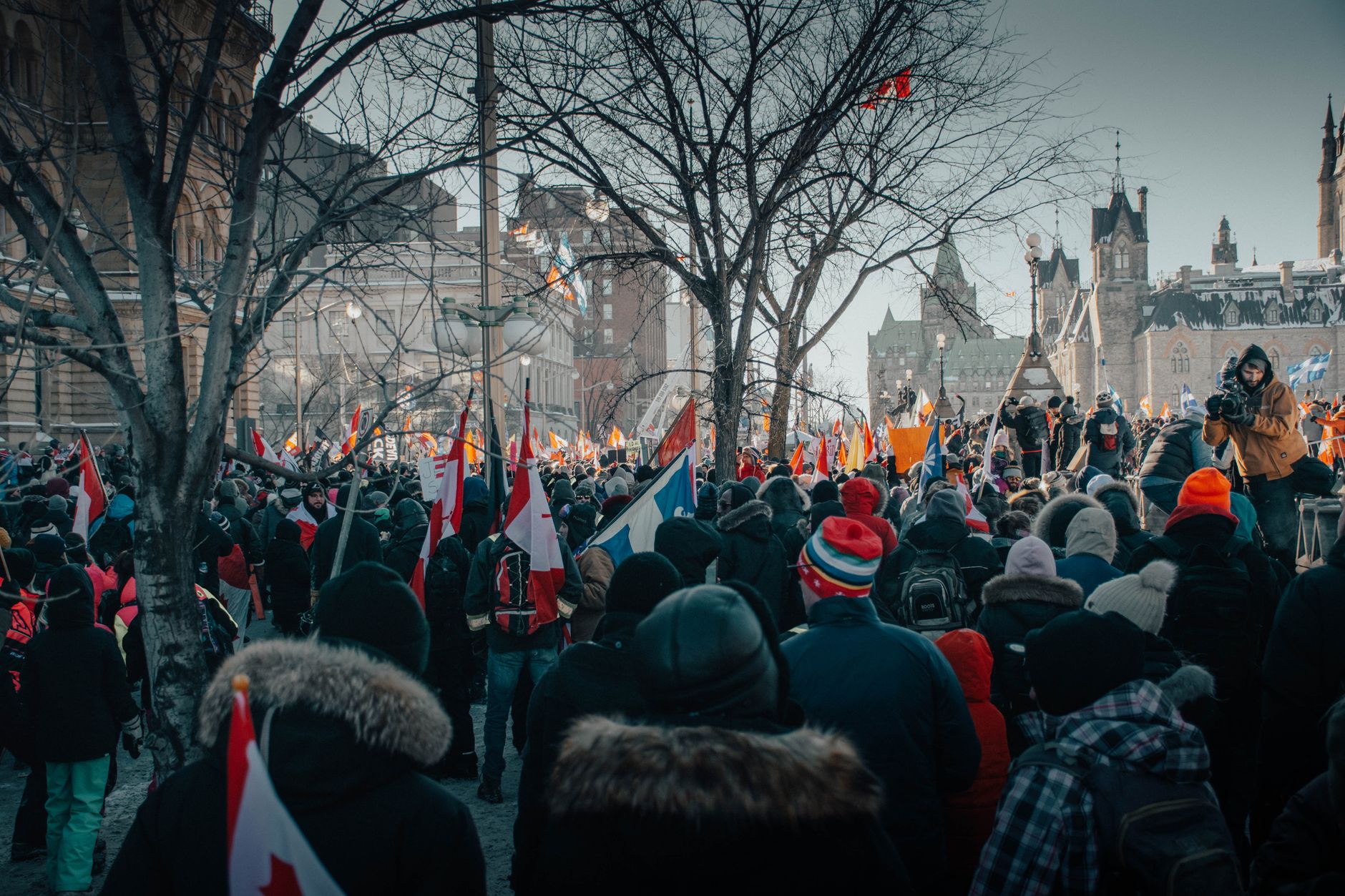
Since Donald Trump’s second inauguration in January 2025, the country has absorbed tariff confusion, aggressive immigration enforcement, a war in Iran, gas prices that keep climbing, rampant wildfires, and a string of court rulings that have left millions scrambling to understand what rights they actually still hold. That’s 652 days of accumulation – and now, with nearly $12 billion already spent trying to tip the balance of power, midterm elections are here.
The money alone signals what’s at stake.
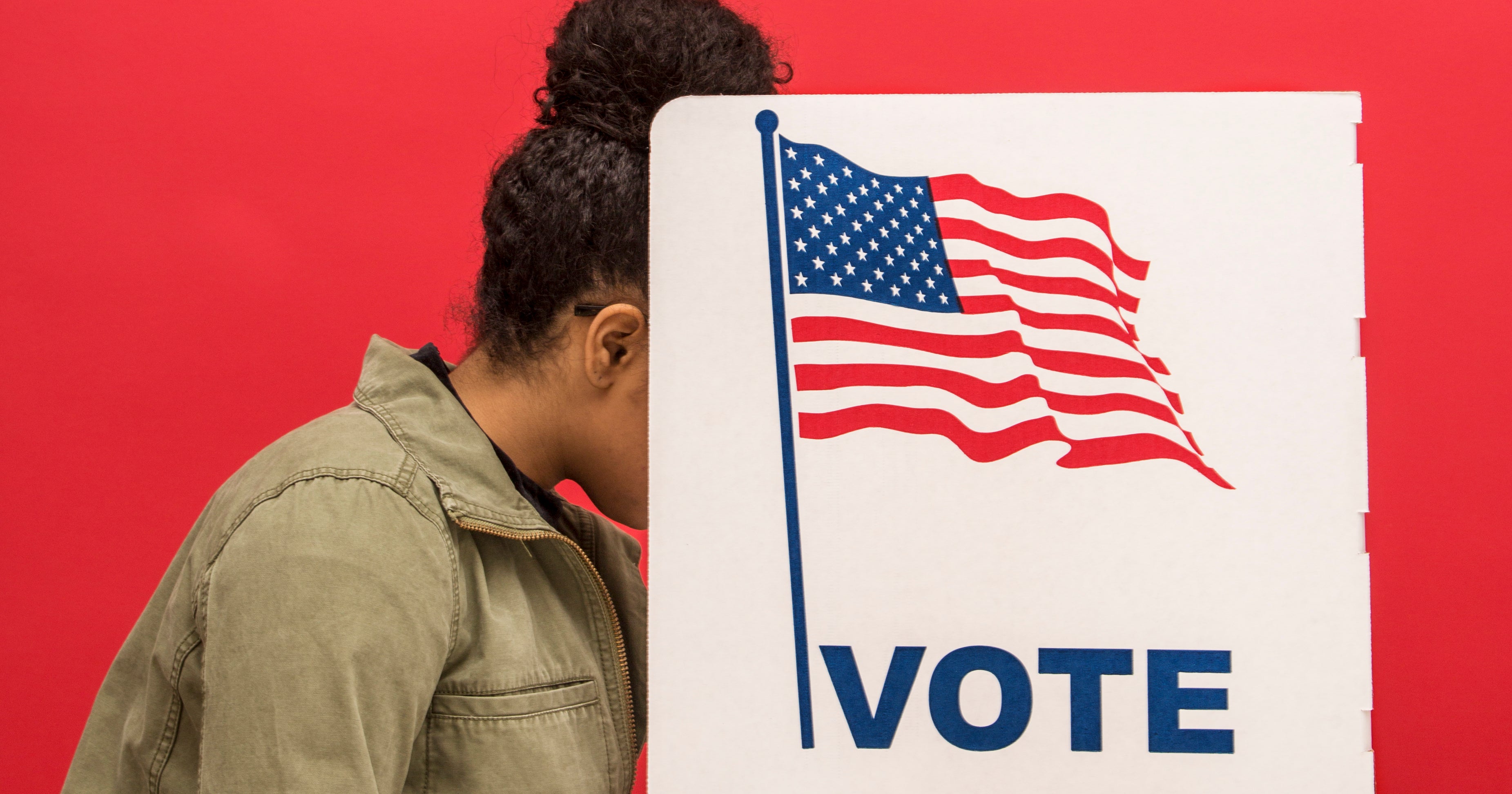
For Black women and mothers in particular, the past year and a half has been an expensive, exhausting stretch – managing rising costs, navigating systems under strain, and doing so while keeping children insulated from the worst of it. That lived weight doesn’t disappear at the ballot box; if anything, it arrives there first. The question isn’t whether women are showing up this cycle. By every available measure, they are, in greater numbers and with more names on the ballot than ever before. The question is what direction that energy pulls – toward the coalition Democrats desperately need, or somewhere more complicated and self-defeating.
The 2018 Playbook, and Why It Isn’t a Guarantee
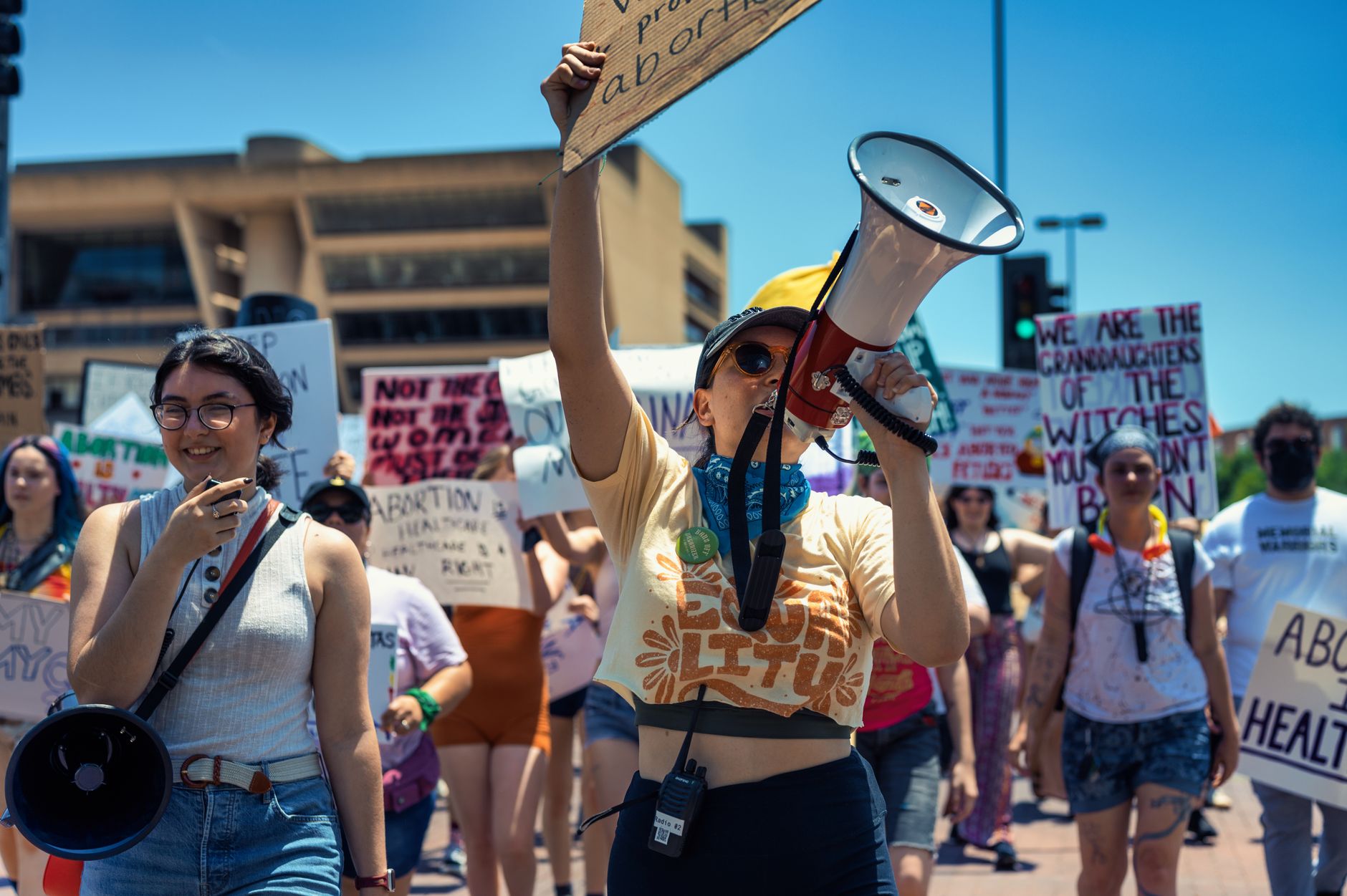
The last time Trump was in office during a midterm cycle, women rewrote the electoral map. Just a year and a half after the 2017 Women’s March flooded Washington, more than 90 women were elected to the U.S. House of Representatives. That wasn’t an accident – it was organized fury turning into ballots and candidacies, a direct conversion of protest energy into legislative seats. Democrats rode that wave back to power in the House, and women were the engine.
But the history of women as a monolithic political force has always been murkier than the headlines suggest. The much-cited statistic that 52 percent of white women voted for Trump in 2016 has since been revised – more careful analysis puts that number closer to 47 percent – but even corrected, it still placed white women as more pro-Trump than pro-Hillary Clinton. The revision matters, but so does what remains after the revision: a significant portion of women voting against the interests of other women, specifically women of color, low-income women, and women dependent on healthcare access and reproductive rights that Republican governance has consistently eroded.
That internal fracture within women as a voting bloc isn’t ancient history. It’s the context that makes every “women are energized” headline worth reading twice. Energized toward what, exactly, and for whose benefit?
The Haley Stevens Problem Is Bigger Than Haley Stevens
Few moments this cycle have illustrated the fractures inside the Democratic coalition more starkly than what happened with Michigan congresswoman Haley Stevens. Rather than supporting progressive candidate Abdul el-Sayed in Michigan’s Senate race, Stevens chose to endorse a Republican – a move that has effectively ended her trajectory inside the Democratic Party. The backlash was swift, and the political math was brutal: a Democratic woman, using her platform to lift a Republican, in a state where margins are measured in thousands of votes.
What made the Stevens situation particularly corrosive wasn’t just the endorsement itself, but what it revealed about motivation. By most accounts, the decision was driven not by policy or principle but by personal grievance – hurt feelings and internal party resentments placed above the interests of constituents and the broader coalition. That kind of calculus, where personal animosity overrides political responsibility, is not unique to Stevens, but she handed the story a name and a face.
The danger of focusing too narrowly on Stevens is that it allows the larger pattern to stay blurry. Women candidates and voters who prioritize internal resentments, or who make cross-aisle moves under the banner of “independence,” can quietly bleed a party’s chances in races that should be winnable. Democrats are already navigating a difficult map. They don’t have votes to burn on ambivalence dressed up as moderation.
Who’s Actually on the Ballot, and What It Means
Even against that backdrop, the candidate picture for Democrats is striking. Three women running for governor are positioned to make history this cycle, and women are more represented across ballots – from state legislatures to congressional seats – than in any previous midterm. That visibility matters beyond symbolism. When women hold office, the legislative agenda shifts: childcare, healthcare access, wage equity, and education funding consistently receive more attention and more floor time.
Women voters know this. And they are showing up – the early vote data, the registration surges in suburban counties, the organizing infrastructure rebuilt after 2024 – all of it points toward high female turnout. The infrastructure that powered 2018 never fully dismantled; it went quiet and then it got back to work.
What remains genuinely unresolved is whether the coalition holds across racial and class lines, or whether the fractures that have always existed inside “women voters” as a category reassert themselves at the worst possible moment. A Democratic woman in a safe district endorsing a Republican in Michigan doesn’t just cost a Senate seat – it licenses a certain kind of reasoning, a certain permission structure for other defections. Stevens may be a cautionary tale, or she may be a preview.
The Specific Weight of This Particular Moment
Twelve billion dollars. More than 90 women elected in 2018. Forty-seven percent of white women for Trump in 2016, not 52, but still a majority choosing him over Clinton. A war in Iran. Gas prices no one has adequately explained. A congresswoman whose career collapsed because she let personal animosity make her political decisions. These are the coordinates of this midterm, and women sit at the center of nearly all of them – as candidates, as organizers, as the demographic that every strategist on both sides is studying like a weather system that could go any direction.
What nobody running those numbers can fully account for is what it actually feels like to have been raising children through the past 652 days – what that does to a person’s patience for political games and insider resentments and cross-aisle endorsements that serve no one except the person making them. That accumulated exhaustion is either the most powerful motivator Democrats have, or the thing that finally makes some voters decide the whole apparatus isn’t worth protecting.
Haley Stevens endorsed a Republican and lost her future in the party. The voters who put her there are still deciding what they want to do with theirs.
