




The music industry’s latest gold rush isn’t happening in Nashville or Los Angeles – it’s in nurseries across America. Major record labels are reportedly scouting playgrounds and daycare centers, signing children as young as 18 months to exclusive recording contracts. What started as a quirky viral trend has become a legitimate business strategy, with labels banking on the authentic, unfiltered musical expressions of toddlers.
The phenomenon began gaining traction in late 2023 when several videos of young children creating spontaneous musical moments went viral on TikTok and Instagram. Unlike the polished performances of child stars, these toddler musicians offer something the industry desperately needs: genuine unpredictability and raw emotional expression that resonates with audiences across all age groups.
The Economics of Innocence
Record labels are discovering that toddler musicians represent an untapped market with surprising commercial potential. These young artists bring several advantages that traditional musicians cannot match. Their content creation is constant – toddlers naturally sing, hum, and create rhythmic patterns throughout their daily activities, providing an endless stream of potential material.
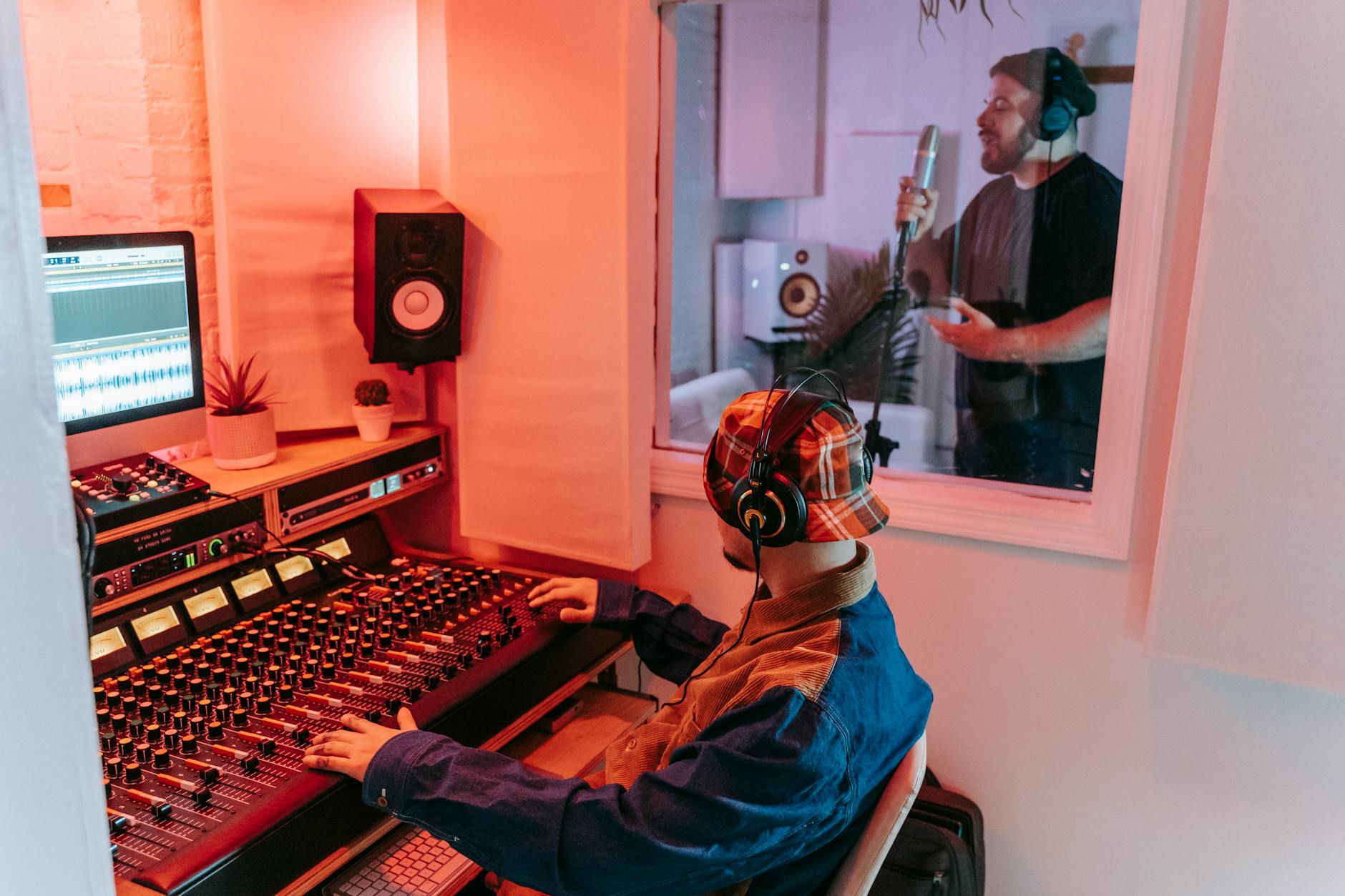
The production costs are minimal compared to established artists. There are no expensive studio rentals, sophisticated equipment requirements, or complex contract negotiations about creative control. Many of these recordings happen in home environments using basic recording equipment, creating an intimate, authentic sound that streaming audiences find compelling.
Several independent labels have already seen success with this approach. Small recording companies are signing children who create spontaneous songs during playtime, bedtime, or daily routines. The results are often surprisingly catchy, with simple melodies and repetitive lyrics that stick in listeners’ heads more effectively than many professionally produced pop songs.
The streaming numbers support this trend. Playlists featuring young children’s spontaneous musical moments are gaining millions of plays on Spotify and Apple Music. These tracks often appear on relaxation and mood playlists, where their innocent, unprocessed quality provides a refreshing contrast to heavily produced commercial music.
Legal and Ethical Considerations
The rush to sign toddler musicians has raised significant questions about child protection and exploitation in the entertainment industry. Legal experts are scrambling to establish frameworks for contracts involving children who cannot comprehend the implications of recording deals or fame.
Parents are taking on unprecedented responsibility as both guardians and managers of these young artists. Unlike traditional child performers who work with established agencies and experienced teams, toddler musicians’ families often navigate the industry alone, making decisions about their children’s musical futures without clear precedents to follow.
Child advocacy groups have expressed concern about the long-term psychological impact of early fame, even when it begins with innocent home recordings. The transition from private family moments to public entertainment raises questions about consent and the commodification of childhood innocence.
Several states are considering legislation to regulate contracts involving children under five years old, recognizing that existing child performer protections were not designed for this new category of very young artists. These proposed laws would require special oversight for any commercial use of recordings featuring children who cannot yet understand the concept of public performance.

The Creative Process Revolution
Working with toddler musicians requires record labels to completely reimagine their creative processes. Traditional recording sessions, with their structured timelines and professional expectations, are impossible with artists who need nap times, snack breaks, and constant parental supervision.
Instead, labels are developing new approaches that work within the natural rhythms of early childhood. Recording sessions happen during optimal times when children are well-rested and happy, often incorporating play-based activities that encourage musical expression. The results are often more genuine and emotionally resonant than conventional recording sessions.
These young artists are also changing how the industry thinks about musical collaboration. Toddlers naturally incorporate everyday sounds – toy instruments, household objects, pet noises – into their musical expressions, creating unique sonic landscapes that professional musicians struggle to replicate artificially.
The trend is influencing established artists as well. Several mainstream musicians are reportedly studying toddler recordings to understand how to capture similar authenticity and emotional directness in their own work. This reverse mentorship represents a significant shift in how the industry views creativity and artistic development.
Some producers are beginning to incorporate toddler musicians as featured artists on adult recordings, creating intergenerational collaborations that blur traditional boundaries between professional and amateur music creation.
Market Response and Future Implications
The commercial success of toddler musicians is reshaping industry expectations about what constitutes marketable music. Streaming platforms are creating dedicated categories for very young performers, and playlist curators are actively seeking out authentic child-created content to satisfy growing audience demand.
This trend connects to broader cultural shifts in how audiences consume entertainment. Just as vinyl record listening parties are replacing traditional nightclub culture, the appeal of toddler musicians reflects a desire for more genuine, less manufactured entertainment experiences.
Major streaming services are reportedly developing specialized algorithms to identify and promote authentic child-created music, distinguishing it from adult-produced content featuring children. This technological development could significantly impact how very young artists are discovered and promoted in the coming years.
The international market is also responding to this trend. Record labels in several countries are establishing programs to identify and develop toddler talent, suggesting this could become a global phenomenon rather than a temporary American novelty.

The toddler musician trend represents more than a curious footnote in music industry history – it signals a fundamental shift toward valuing authenticity over technical perfection. As audiences increasingly seek genuine emotional connections with the content they consume, these very young artists offer something that no amount of professional training or studio polish can replicate: pure, unfiltered human expression.
The industry’s future will likely include specialized roles for managing and developing very young talent, new legal frameworks for protecting child artists, and innovative production techniques designed around the unique needs and capabilities of toddler performers. Whether this trend sustains long-term commercial success or remains a fascinating cultural moment, it has already changed how the music industry thinks about age, authenticity, and the sources of compelling artistic expression.
Frequently Asked Questions
Are record labels really signing toddlers to music contracts?
Yes, several labels are reportedly signing very young children who create spontaneous musical content that performs well on streaming platforms.
What legal protections exist for toddler musicians?
Current child performer laws weren’t designed for this trend, prompting new legislation considerations for children under five in entertainment contracts.