





The Case Against Suffering Through Summer in the Wrong Clothes
There’s a specific kind of misery that comes from wearing the wrong thing on a 95-degree day – fabric that clings, waistbands that dig, synthetic blends that trap heat like a greenhouse. The solution isn’t complicated, and it doesn’t require a total wardrobe overhaul. From now through Labor Day, the dress is doing the heavy lifting, and the options span everything from floaty cotton minis to linen maxis built for long travel days and beach weddings that demand something packable and presentable at the same time.
The edit below covers the full range of summer dress silhouettes – maxi, midi, and mini – across fabrics that breathe, cuts that don’t bunch, and styles that hold up whether the occasion is a music festival, a late-night birthday party, or a cocktail hour where you need to look like you didn’t just walk through a wall of humidity to get there.
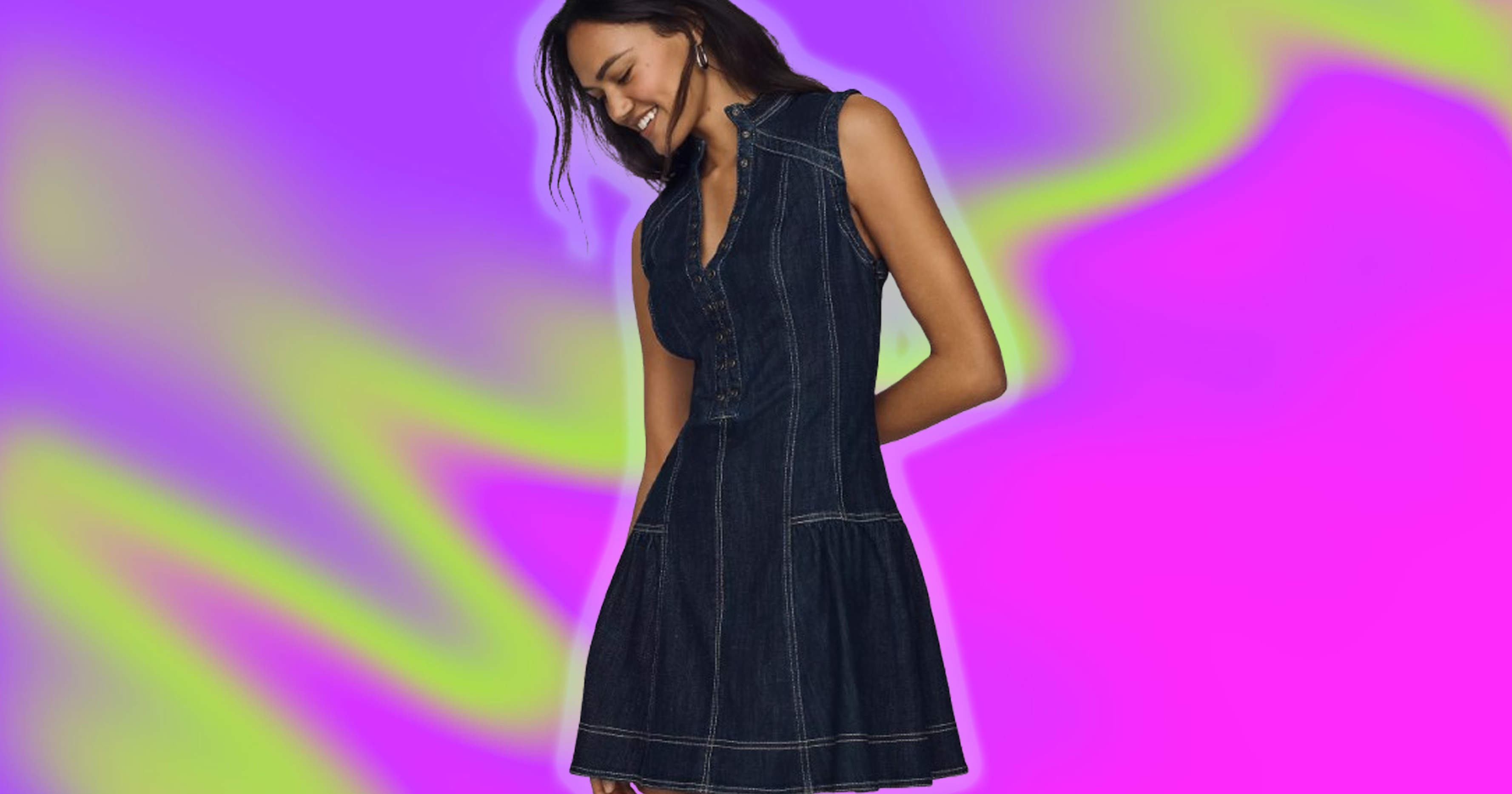
Maxis: Maximum Coverage, Minimum Suffering
The instinct to avoid floor-length dresses in summer heat is understandable but mostly wrong. The best maxis move air rather than trap it, and the right fabric choices – cotton, linen, open-weave mesh – make all the difference between sweltering and comfortable. Linen maxis in particular have become the go-to for getaway dressing, lightweight enough to fold into a carry-on without wrinkling into disaster by the time you land.
For summer weddings, mesh and fringe maxis thread the needle between dressy and breathable, while open-back halter styles bring enough structure for a date night without adding bulk. The versatility is the point. A breezy cotton maxi that works at a farmer’s market on Saturday morning can, with different shoes and accessories, read entirely differently by evening – no outfit change required when the temperature refuses to cooperate anyway.
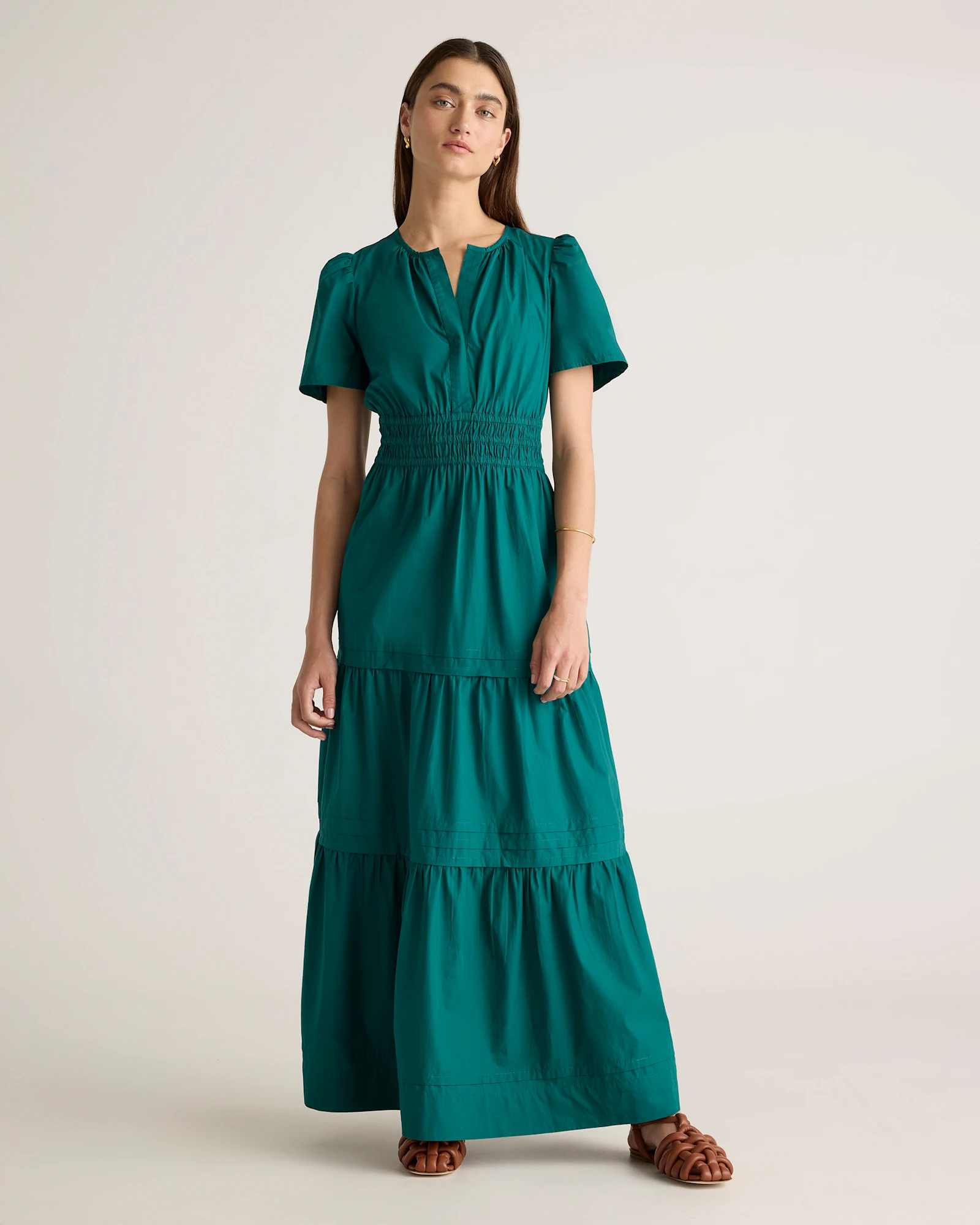
Tiered maxi silhouettes have become a particular standby for triple-digit temperatures. The tiering creates natural space between the fabric and the body, which means airflow where you actually need it. It’s a construction detail that earns its place in a practical wardrobe, not just an aesthetic one.
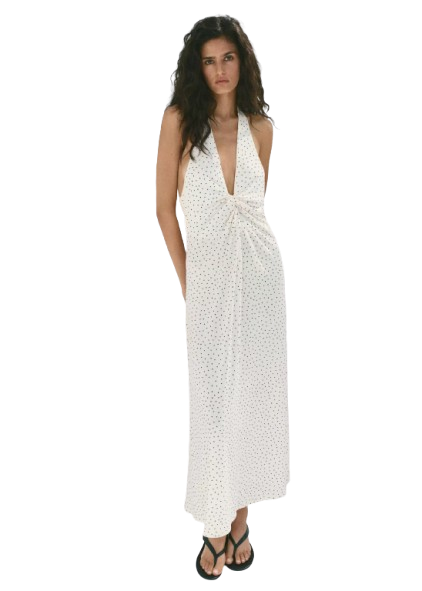
Midis: The Length That Does More Work Than It Gets Credit For
Midi dresses occupy a useful middle position – long enough to feel considered, short enough not to demand the same commitment as a full maxi. The current wave of midi silhouettes leans heavily into detail: asymmetric handkerchief hems, drop-waist milkmaid constructions, and ’90s-era slip styles that have moved well past trend-cycle nostalgia into genuine wardrobe staple territory.
Poplin midis with cut-outs are doing particularly interesting work this summer, using strategic open sections to add airflow without sacrificing coverage. It’s a practical solution dressed up as a design choice, which is exactly the kind of thing that makes summer dressing feel less like a negotiation with the weather and more like an actual option.
Minis: The Shortest Path to Staying Cool
Short, swingy, and cut to float rather than fit, the summer mini is the most direct answer to heat that makes everything else feel impossible. The key distinction between a mini that works and one that doesn’t is fabric movement – pieces that skim away from the body rather than hugging it, designed to let air circulate instead of sealing it out.
The category has enough variety right now to cover the full range of summer plans. Mini shift dresses transition from office hours to after-work drinks without requiring a change. Gingham prints – the picnic-ready ones in classic checks – carry an easy, specific energy that suits casual outdoor events and casual everything else. Shirred bodices add enough stretch to make fit less precious while still holding shape across a long day.
Detail work is alive and well in the mini category, too. Lace accents, embroidered hems, and flowy sleeves show up across options that otherwise prioritize practicality. A mini with embroidered detail and a loose silhouette is covering multiple requirements at once – heat management, occasion-appropriateness, and the kind of visual interest that makes getting dressed feel worth the effort even when the thermometer is doing its worst.
If there’s a unifying logic across all three lengths, it’s fabric first, silhouette second. Cotton that breathes, linen that wicks, poplin that holds its shape without getting heavy – these materials are doing the work that fit and trend can’t do alone. A beautifully cut dress in the wrong fabric is still a liability on a 100-degree afternoon. The ones that survive summer are the ones engineered for it, not just styled for the season.
Gingham prints are scheduled to show up everywhere between now and Labor Day – at picnics, at outdoor weddings, at music festivals where the dress code is technically nonexistent but judgment still applies. The question worth sitting with: how many of the dresses already in your closet are actually built for heat, and how many are just summer-colored?