




The Most Requested Beauty Question, Finally Addressed Honestly
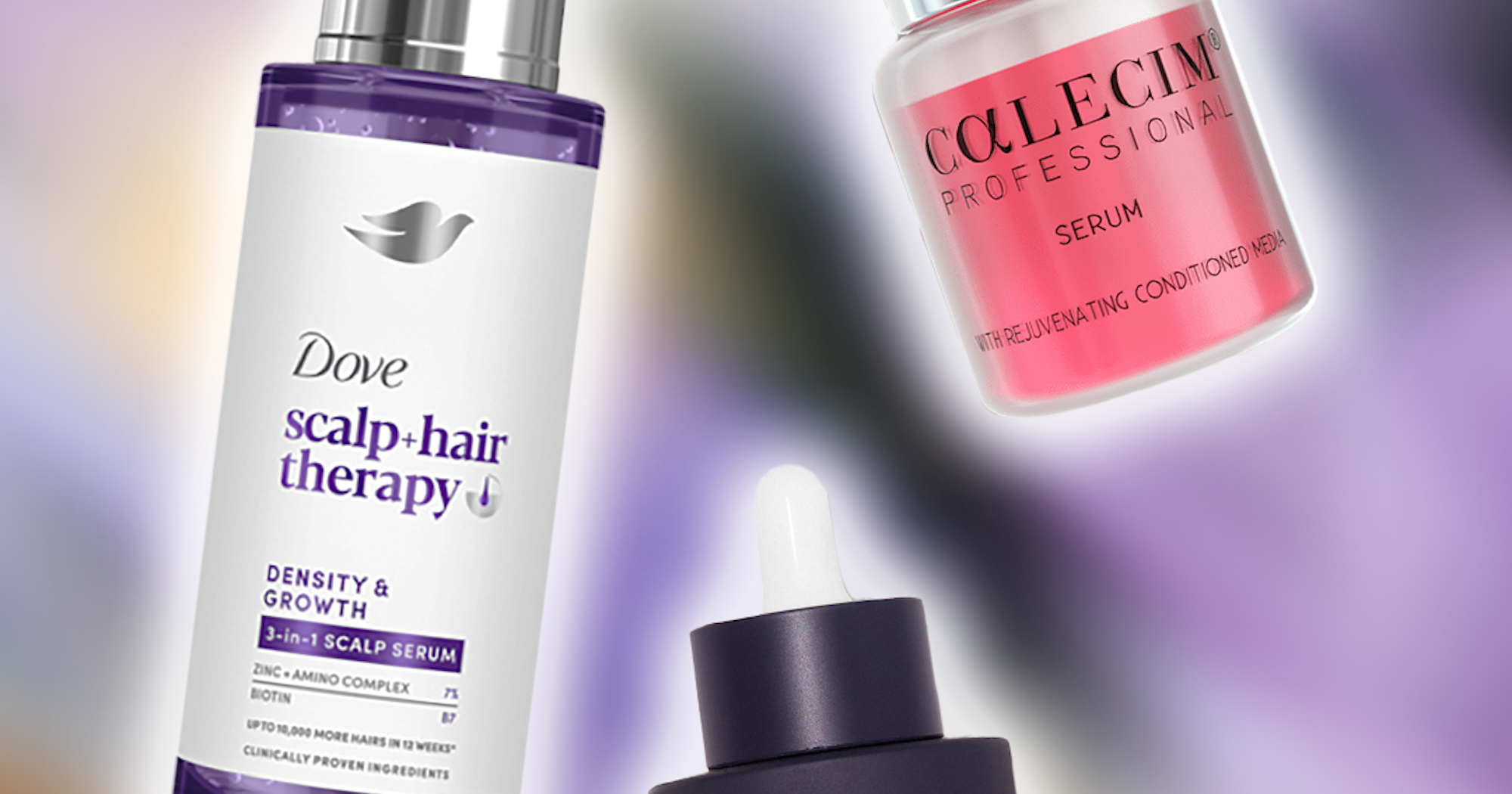
After more than a decade working in beauty, the single most common question isn’t about skin, makeup, or fragrance. It’s about hair – specifically, how to get more of it, faster, and in better condition. Longer, stronger, shinier, thicker: the wish list shifts depending on who’s asking, but the anxiety underneath it stays the same. And the market has noticed. Brands from The Ordinary to Dove are pouring serious investment into scalp health, hair density, and growth – categories that were once quietly dismissed as beyond the reach of topical products.
The honest answer to whether any of it works is: sometimes, and it depends heavily on what’s actually driving your hair concerns. A serum cannot rewrite your DNA. But that doesn’t mean every product on the shelf is wishful thinking, either. The anecdotal evidence behind certain formulas is building, and a growing number of hair experts are willing to put their names behind specific ingredients. Separating what’s worth your money from what’s just sophisticated packaging requires knowing how hair actually grows – and where products can genuinely intervene.
The Biology Behind Why Your Hair Does What It Does
Hair growth rate is not fixed. It changes across a lifetime, varies between individuals, and responds – sometimes dramatically – to internal conditions. Diet, overall health, and underlying medical issues all influence how hair grows. An underactive thyroid, for instance, is a well-documented driver of hair thinning. Deficiencies in ferritin, vitamin B12, vitamin D, and zinc have each been linked to disrupted growth cycles. These are not minor variables. For someone dealing with a significant ferritin deficiency, no topical product will compensate until the deficiency is addressed.
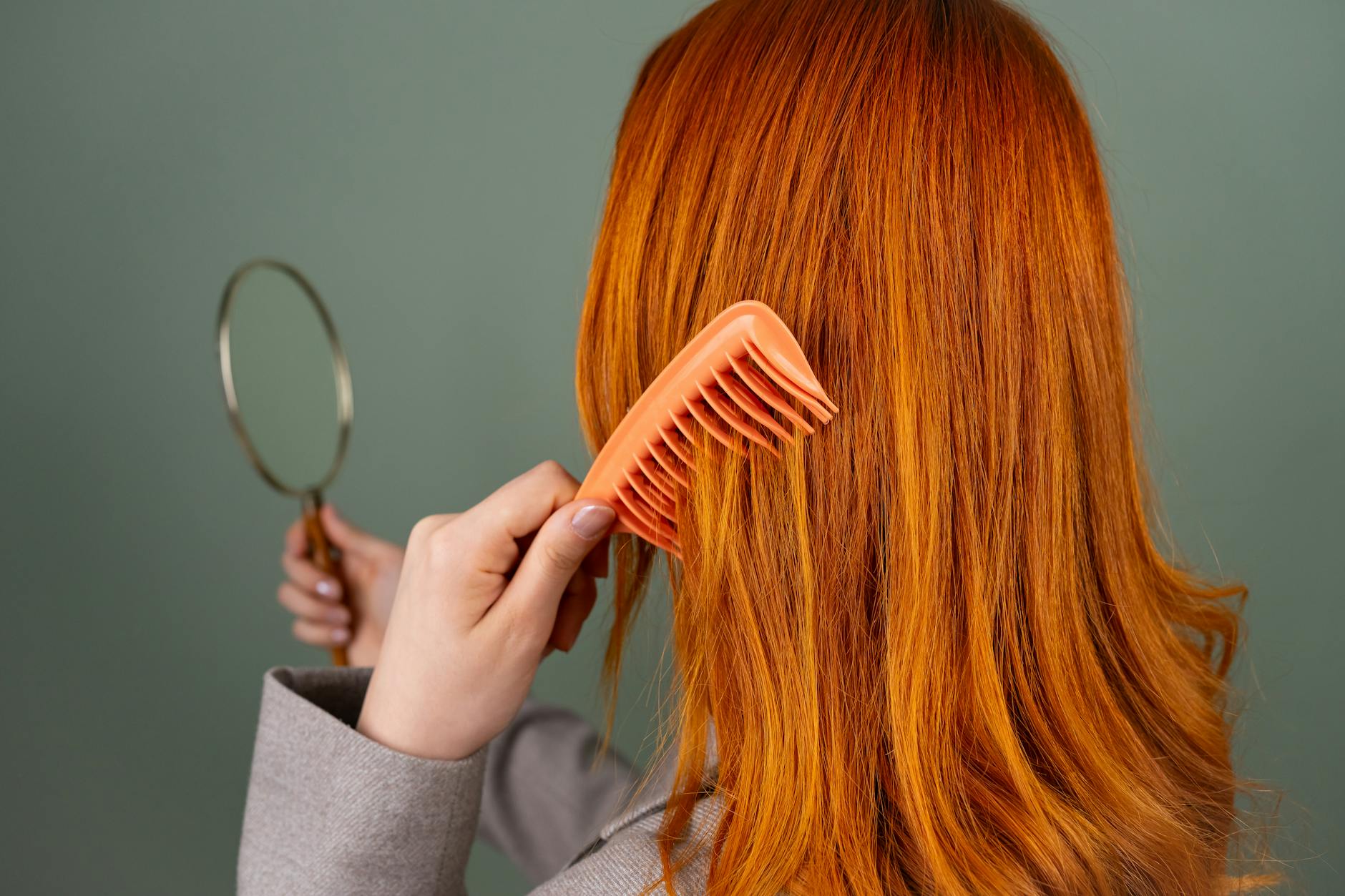
That said, genetics remains the dominant factor. Your natural growth pattern – how dense your hair is, how quickly it grows, how it responds to stress or hormonal shifts – is largely inherited. Hair length, specifically, is governed by the anagen phase, which is the active growth period of each hair follicle. That phase can last anywhere from two to seven years, which is why some people can grow hair to their waist while others plateau at shoulder length no matter what they do. Understanding this removes a lot of the frustration that gets directed at products that were never going to solve a genetic ceiling.
Which Ingredients Are Actually Doing Something
Minoxidil is the starting point in any serious conversation about hair growth. Board-certified trichologist Aga Tompkins describes it as one of the most clinically proven and extensively studied topical treatments available – and that reputation is earned. It was originally developed as a blood pressure medication, and hair regrowth was a documented side effect before it became a targeted treatment. It works by extending the anagen phase and increasing blood flow to follicles, which is why results take months to become visible.
Beyond minoxidil, there’s a wave of ingredients attracting real attention in trichology circles. Tompkins points to peptides, caffeine, and red clover as examples of what’s generating interest right now. Caffeine, applied topically, has been studied for its ability to stimulate follicle metabolism. Peptides work by signaling cellular behavior – some are specifically formulated to mimic growth factors that encourage the follicle to stay in its active phase longer. Red clover contains isoflavones, which are being investigated for their potential to counteract the hormonal pathways associated with androgenetic hair loss.
What makes the current landscape different from five years ago is the specificity of the formulations. Brands are no longer simply throwing biotin into a shampoo and calling it a hair growth product. The products earning consistent recommendations from experts tend to address scalp health as a prerequisite – not an afterthought. A congested or inflamed scalp limits follicle function regardless of what active ingredients are present. This is why exfoliating scalp treatments and anti-inflammatory serums have become foundational in routines built around density and growth, rather than optional additions.
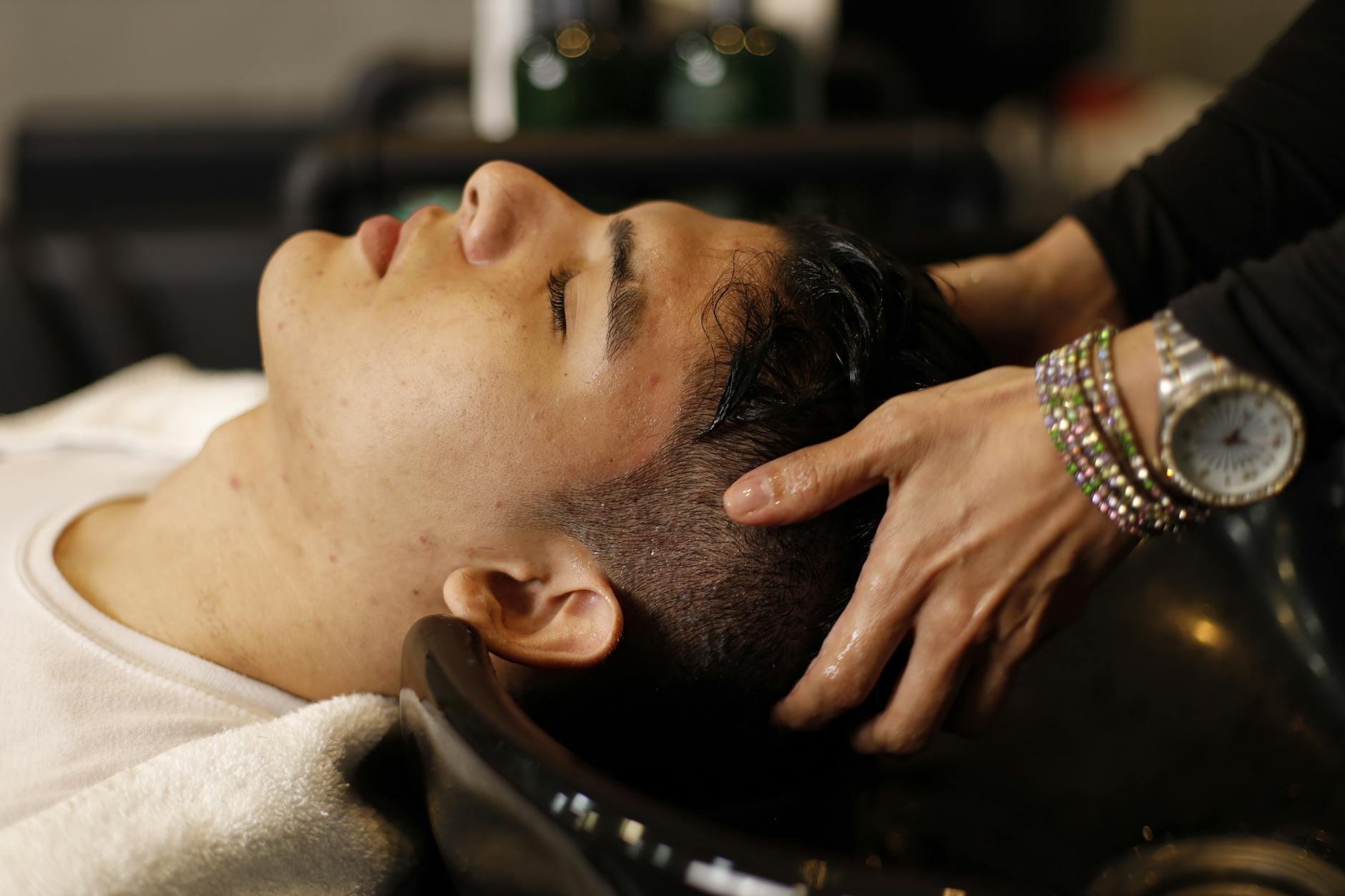
One practical thing to understand: the scalp is skin. It responds to the same neglect that facial skin does – product buildup, dehydration, and disruption of the microbiome all create conditions that aren’t ideal for hair growth. Washing regularly, which sounds almost too basic to mention, matters because it clears the follicle opening and manages sebum levels that can otherwise block healthy growth. This is not glamorous advice, but it’s the foundation on which every other product either works or doesn’t.
Where Experts Draw the Line on What Products Can Fix
The products most consistently recommended by hair specialists tend to make modest, specific claims rather than sweeping promises. If a product is advertising dramatic regrowth in a matter of weeks, that timeline doesn’t align with how hair biology actually functions – the follicle cycle alone makes three-month minimum windows more realistic for any visible change. Managing that expectation is part of what separates a considered purchase from an expensive disappointment.
There’s also a meaningful difference between supporting hair that’s already growing and regrowing hair from follicles that have been dormant or miniaturized for years. Products in the support category – density serums, scalp treatments, strengthening masks – have a solid track record when used consistently. Products promising to reverse significant long-term hair loss are operating in more contested territory, and results vary widely depending on how long the follicle has been inactive and what caused the loss in the first place.
What a Reasonable Routine Actually Looks Like
For most people, a scalp-forward routine is more productive than an ingredient-chasing one. That means starting with a clean, balanced scalp – using a clarifying treatment monthly if you use heavy products, following with something that supports moisture and microbiome balance, and being consistent over time. Topical actives like minoxidil or a peptide serum work best when the scalp environment isn’t working against them.
Diet and internal health remain the unglamorous but high-impact layer. Checking ferritin and vitamin D levels – especially for anyone experiencing sudden or diffuse shedding – is more likely to yield answers than buying a new serum. Hair loss triggered by deficiency responds to correcting that deficiency. It’s slower and less satisfying as a story than a product discovery, but it’s more reliable.
The product category that genuinely benefits almost everyone, regardless of genetics or underlying health, is scalp massage. It increases blood circulation to follicles, costs nothing, and has enough research behind it to be taken seriously. The fact that it appears low-tech next to a $60 peptide serum doesn’t make it less effective. Which raises a fair question about the hair growth market as a whole: how much of what’s being sold is filling the gap between what people want to be true and what biology is actually willing to deliver?