




The Routine Most Women Over 50 Are Getting Wrong
At some point in your 40s or 50s, the skin care routine that served you through your 30s stops working the way it used to. The same cleanser feels tight, the moisturizer that was once enough now barely lasts until noon, and the retinol you heard was mandatory leaves your face red for three days. What changes isn’t your dedication – it’s your skin’s biology, and a routine built for younger skin will consistently underdeliver on mature skin no matter how faithfully you follow it.
Dermatologists who specialize in aging skin point to the same recurring problem: most women in this category are either overcomplicating or undercomplicating their approach.
The fix isn’t buying more products. It’s understanding which steps actually matter as skin ages, and which are carryovers from a younger skin care era that no longer apply to you.
What Mature Skin Is Actually Dealing With
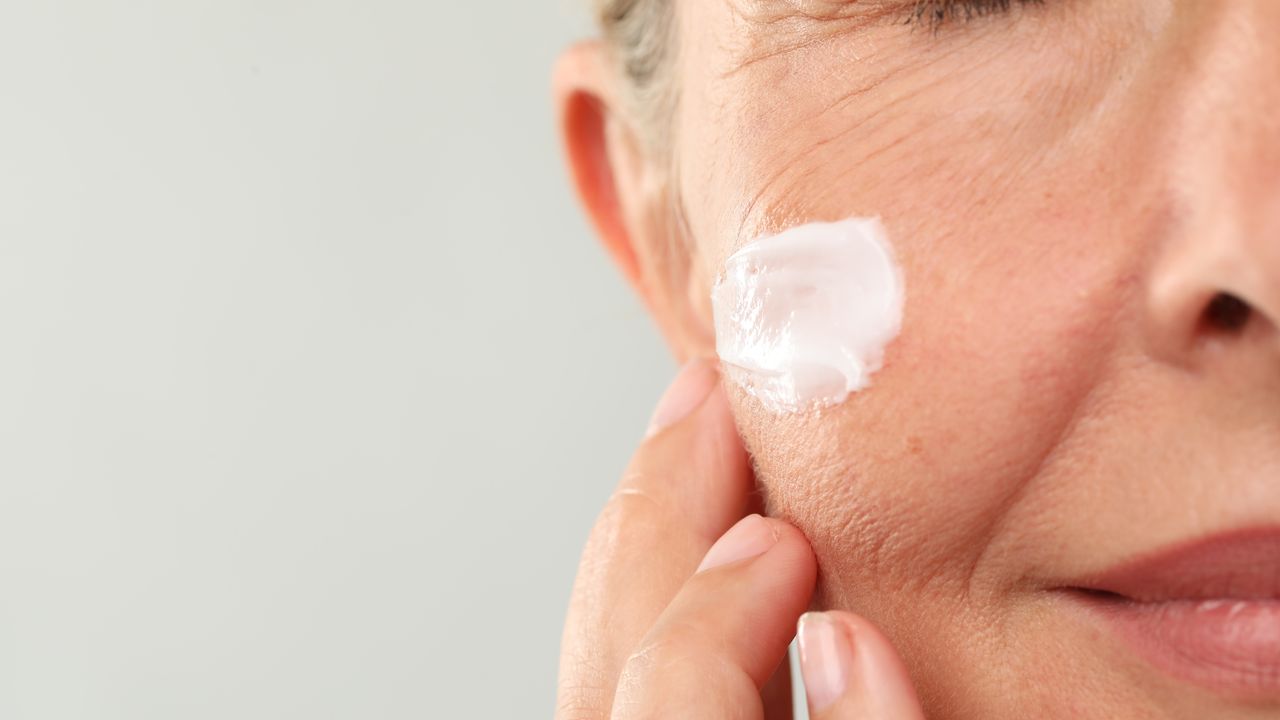
After menopause, estrogen levels drop significantly, and skin feels that loss in several direct ways. Oil production slows, the skin barrier becomes more fragile, collagen production declines, and cell turnover – the rate at which your skin sheds dead cells and replaces them with new ones – slows considerably. The result is skin that tends toward dryness, looks duller than it used to, and shows the texture of accumulated sun damage far more visibly than before.
This is not a cosmetic inconvenience. A compromised skin barrier means that environmental irritants, pollutants, and even the active ingredients in skin care products penetrate more easily, which is why mature skin is frequently more reactive than it was at 35. Products that once caused no issues – a salicylic acid toner, a high-percentage glycolic treatment – can suddenly feel aggressive because the skin no longer has the same capacity to buffer those actives.
What dermatologists recommend for mature skin reflects this biology directly. The goal shifts from treating breakouts or managing shine toward protecting the barrier, supporting hydration at a structural level, and using proven anti-aging actives at concentrations the skin can actually tolerate. That means fewer steps, not more – and a willingness to let go of products that belong to an earlier chapter of your skin’s life.
Building the Routine Around What Works
Cleansing is where most mature skin routines fail first. Foaming cleansers designed for oilier skin types strip the lipids that mature skin can barely afford to lose. Dermatologists recommend a gentle, cream or oil-based cleanser used once daily – typically at night – with a simple water rinse or micellar water in the morning to avoid over-cleansing. The skin does not need to feel squeaky clean; it needs to feel comfortable immediately after washing.
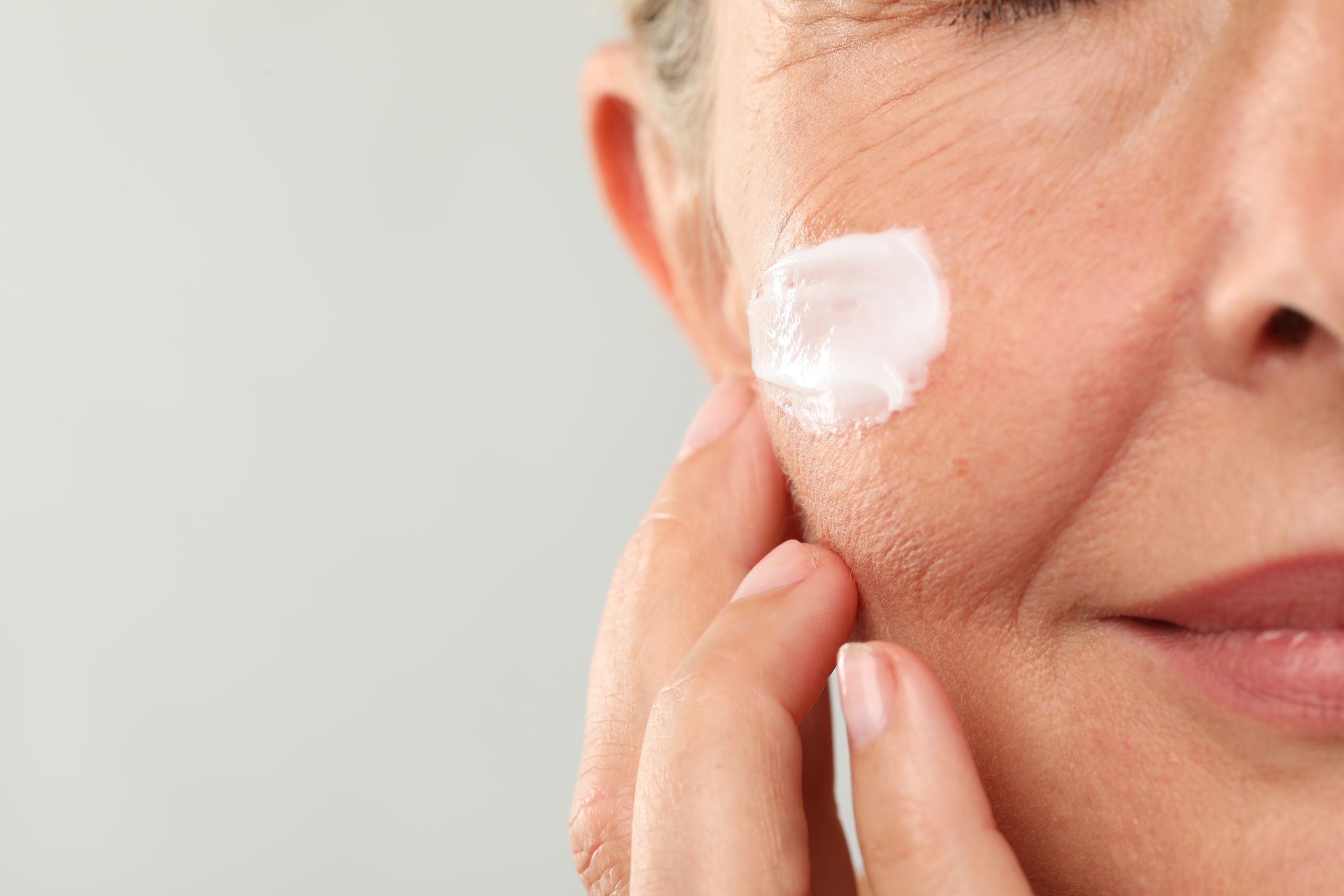
Moisturizer becomes more important than it has ever been, and the formulation matters significantly. Look for ingredients like hyaluronic acid, which draws water into the skin; ceramides, which help rebuild the barrier; and glycerin, which supports moisture retention. These aren’t trendy ingredients – they are well-documented in dermatological research as effective for barrier support. Rich creams outperform lightweight gels at this life stage, particularly at night when the skin does most of its repair work. Some dermatologists specifically recommend applying moisturizer to slightly damp skin to lock in additional hydration.
Retinoids remain the most evidence-backed anti-aging ingredient available, but the approach to using them on mature skin requires adjustment. Starting with a low concentration – 0.025% or 0.05% prescription tretinoin, or an over-the-counter retinol at 0.1% to 0.3% – applied every other night and sandwiched between layers of moisturizer significantly reduces the dryness and flaking that causes many women to abandon retinoids entirely. The skin does adapt over weeks and months, and the evidence for retinoids improving collagen density, reducing fine lines, and evening skin tone is as strong as it gets in dermatology. Patience is not optional here; visible results typically take 12 weeks or more.
The Steps That Earn Their Place
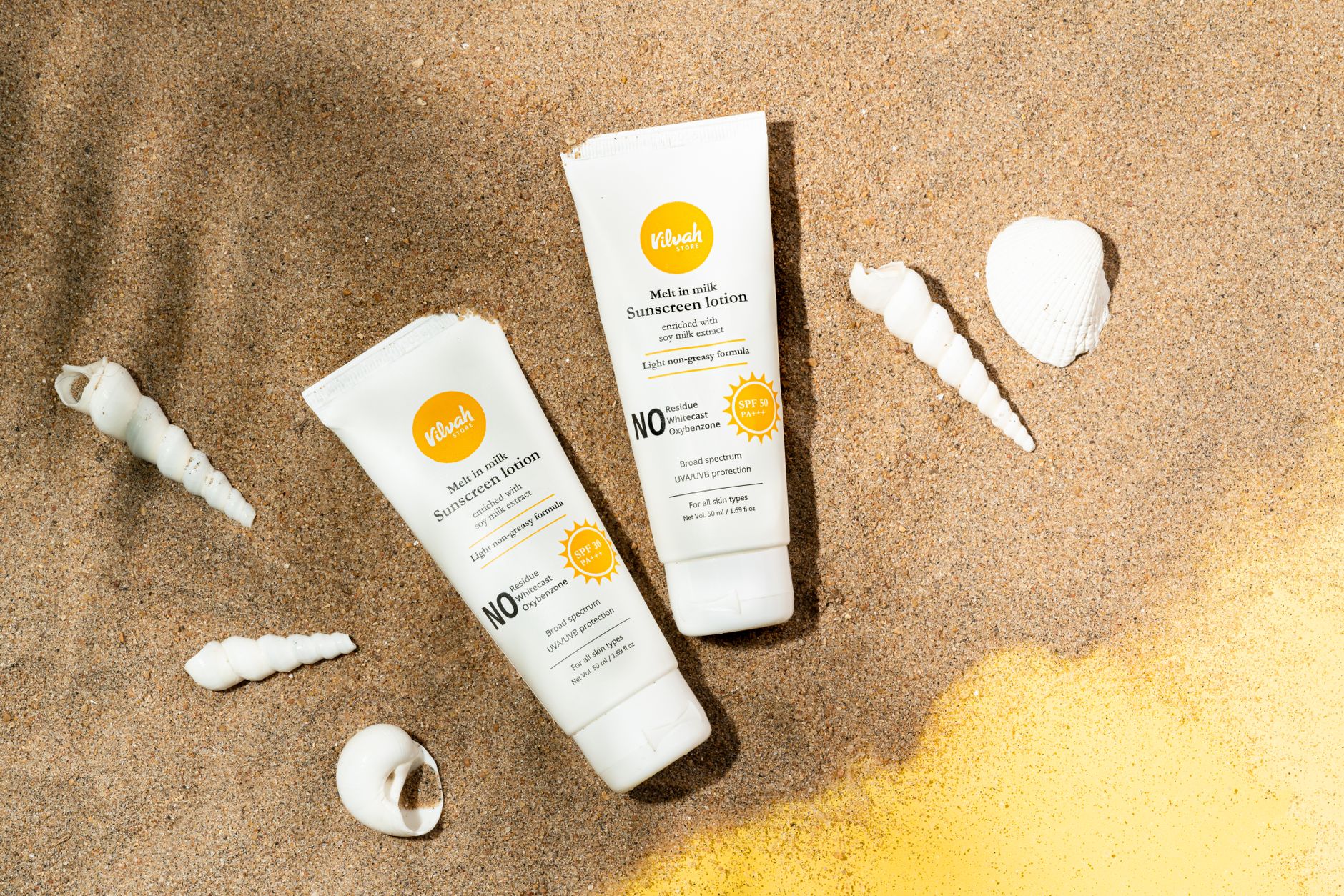
Sunscreen is the one non-negotiable that dermatologists never qualify. Daily SPF 30 or higher – applied every morning, year-round, regardless of whether you plan to be outside – prevents the ultraviolet damage that accelerates every visible sign of skin aging. Mineral sunscreens containing zinc oxide or titanium dioxide tend to be gentler on sensitized mature skin than chemical UV filters, though both are effective. The mistake most people make is treating sunscreen as a warm-weather step, when UV exposure in winter through windows is entirely sufficient to cause ongoing damage.
Beyond the core four – gentle cleanser, moisturizer, retinoid, SPF – additional actives can earn their place in a mature skin routine if introduced carefully and one at a time. Vitamin C applied in the morning under sunscreen helps neutralize free radical damage and supports collagen synthesis; look for stabilized forms like L-ascorbic acid or ascorbyl glucoside at 10% to 20% concentration. Niacinamide at 5% addresses uneven tone and strengthens the barrier without the irritation potential of stronger actives. Peptides – short chains of amino acids that signal the skin to produce collagen – appear in an increasing number of serums and creams and are generally well-tolerated, though the research on specific peptide formulations varies.
Eye cream, long marketed as an essential separate step, is optional. The skin around the eye is thinner and more delicate, but a good facial moisturizer applied carefully to the orbital area performs the same function. What the eye area genuinely benefits from are the same actives as the rest of the face – retinoids (applied with extra caution given the sensitivity of the zone), hyaluronic acid, and peptides – rather than a separate product category that often charges a premium for repackaged versions of the same ingredients already in your routine.
The Order, and Why It Matters
A properly sequenced morning routine for mature skin runs: gentle cleanse or water rinse, vitamin C serum, moisturizer, SPF. At night: full cleanse, retinoid (every other night initially, with moisturizer before and after to buffer it), then a richer moisturizer or facial oil on top. This layering order – thinnest to thickest, actives before occlusives – allows each product to absorb and function without being blocked by what came before it.
The entire routine, morning and evening combined, should not require more than 10 to 12 minutes. If it does, something has been overcomplicated, and overcomplicated routines are the ones that get abandoned or cause irritation from too many active ingredients competing for the same skin real estate.
What dermatologists keep returning to, when asked about mature skin, is the concept of consistency over quantity. A four-product routine used every day outperforms a 12-product routine used erratically. Mature skin rewards patience and repetition – and it shows the difference between the two in ways that are visible enough to settle the argument without any debate.
The question isn’t which products to add. It’s which ones you’re still using out of habit that your skin, at this stage, no longer needs – and whether you’re ready to find out.