




BB and CC creams were supposed to be a phase – a stepping stone between heavy foundation and bare skin that beauty culture would eventually outgrow. Tarte apparently didn’t get that memo, and its new CC color-correcting tinted serum, priced at $42, is making a strong argument that the category never actually peaked.
The Category That Never Really Left
The origin story of BB and CC creams runs through Japan and Korea, where both formats were developed as genuine skincare-makeup hybrids rather than marketing convenience. BB creams – “beauty balm” or “blemish balm” depending on who you ask – were designed to collapse the morning routine into a single step, standing in for moisturizer, primer, foundation, and sunscreen simultaneously. CC creams narrowed the focus: color correction first, coverage second. The “CC” stands for either “color-correcting” or “complexion-correcting,” and the distinction from BB is subtle but real.
When both formats crossed over into the American market, they arrived through brands like Maybelline, IT Cosmetics, Kosas, and e.l.f. Cosmetics – each putting its own spin on the lightweight-coverage promise. The appeal was always the same: something that didn’t look like makeup while still doing what makeup does. Foundation felt like armor. BB and CC creams felt like skin.
What made the category complicated was execution. Many formulas either slid toward full coverage and defeated their own purpose, or stayed so sheer they barely registered on deeper complexions. The balancing act between “looks natural” and “actually does something” proved harder than the concept suggested. Some products solved half the equation. Few solved both.
Tarte’s version attempts to address that gap with a serum-forward formula built around hyaluronic acid, strengthening peptides, and oil-balancing niacinamide. Those aren’t decorative ingredient additions – they’re the kind of actives that show up in standalone skincare products and justify the “serum” label. The coverage is sheer and intentionally blurred, designed to look like skin rather than product. Whether it actually delivers on that promise is where things get interesting.
How the Formula Actually Works
The mechanics behind the Tarte CC serum are worth understanding before dismissing it as standard tinted moisturizer with better branding. The formula dispenses white directly from the bottle, which is disorienting the first time you use it. What’s happening is that encapsulated pigments are suspended in the white base, and they activate on contact with skin – adapting to your specific tone and helping neutralize visible discoloration. Redness across the cheeks, purplish shadows under the eyes: the color-correcting function targets both.
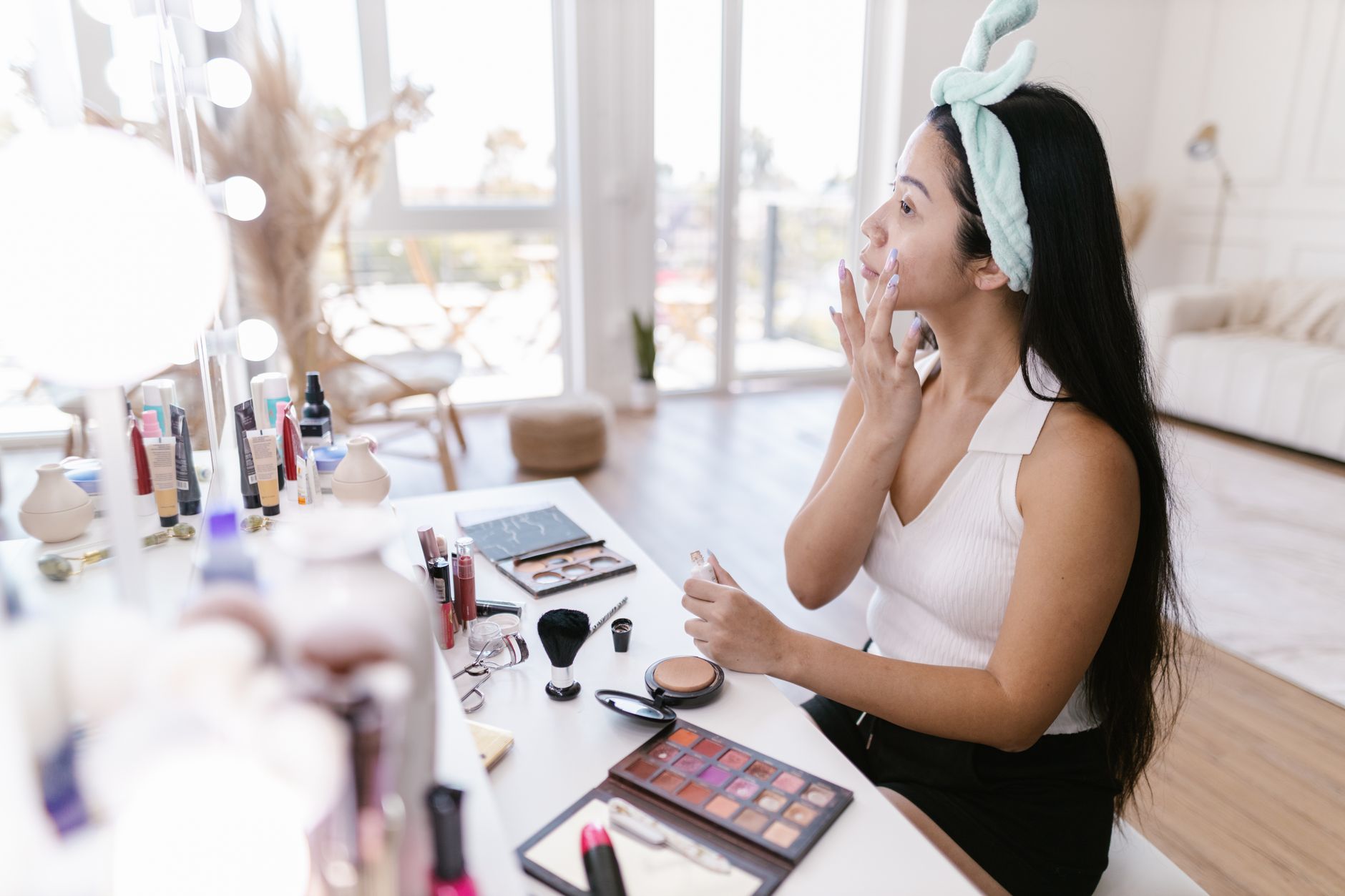
Two details matter for getting the most out of this product. First, shake the bottle before dispensing – the encapsulated pigments need to be evenly distributed, not settled at the bottom. Second, give it up to two minutes after application before evaluating the shade. The formula needs time to fully adjust, and judging it immediately after blending is how you end up thinking it isn’t working when it actually is. Both steps are easy to skip and genuinely change the result when you don’t.
The shade range is deliberately structured around Tarte’s existing Shape Tape concealer lineup, which means the six available shades map onto a system that a significant portion of Tarte’s existing customers already know. If you’ve matched yourself in Shape Tape, the transition to the CC serum is straightforward. For everyone else, it functions as a starting point – the six shades are designed to flex, not sit rigidly at one fixed tone.
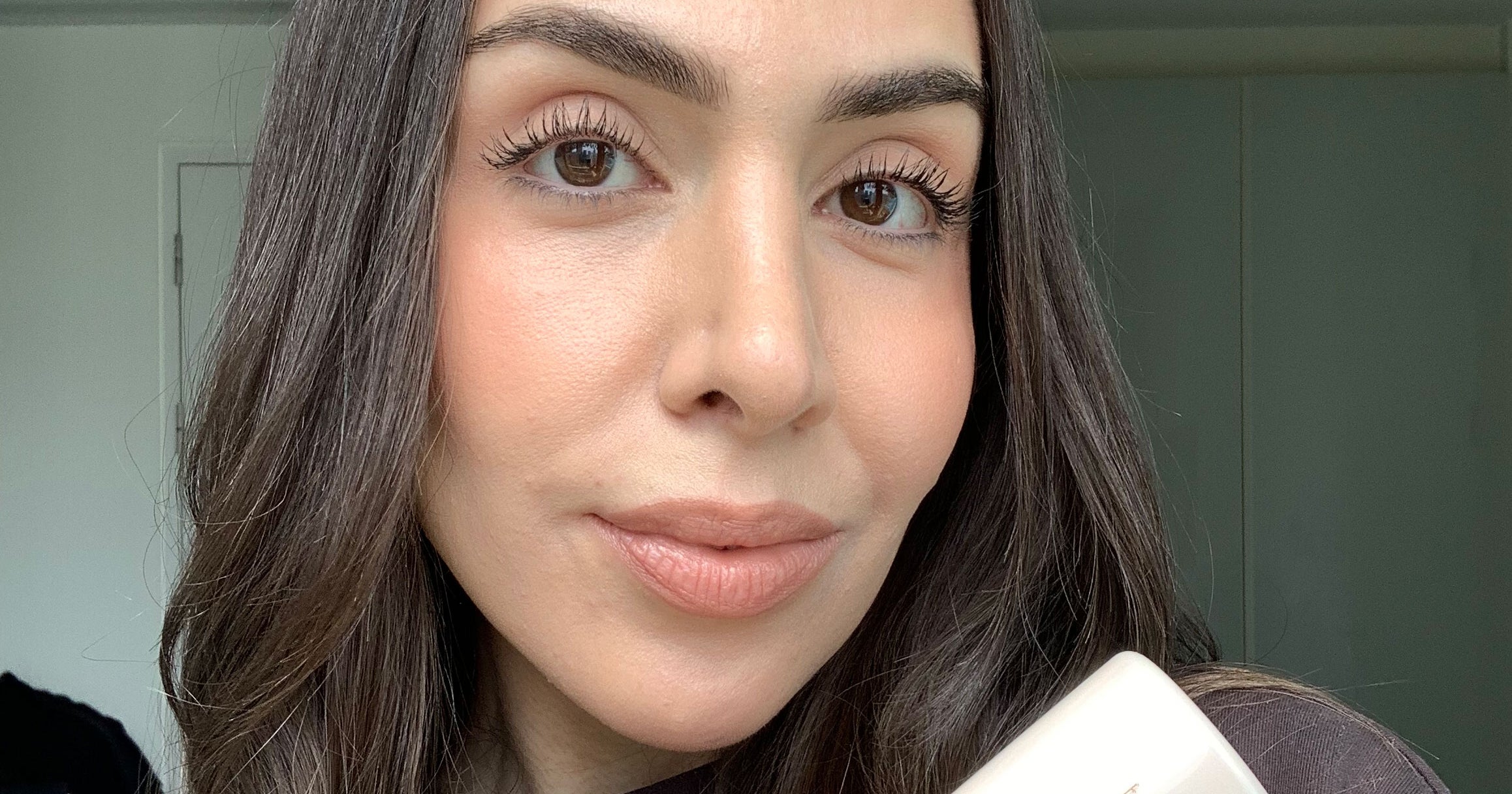
Three editors at Refinery29 tested the launch across different skin tones, and one testing in the Medium shade declared it her new favorite complexion base specifically for summer. That detail matters: summer wear is where lightweight formulas either prove themselves or fail. Heat, humidity, and SPF layering create conditions that collapse heavier coverage products into something patchy and obvious. A serum-weight base that sits on skin rather than sinking into it has a structural advantage in those conditions.
At $42, the CC tinted serum positions itself above drugstore BB and CC options but well within the range of department store tinted serums that have become a staple in the skin-first makeup movement. It’s available at Sephora, Ulta, and Tarte’s own website, which gives it broad retail distribution from launch – not a limited drop, not a waitlist situation. It’s just available, and that accessibility is part of what makes it worth paying attention to rather than waiting to see what happens.
Skin Tints Took Over, But They Left a Gap
The current dominance of skin tints and sheer foundations is real, but it created a specific problem: skin tints are often too sheer to address anything visible. If your skin is genuinely even-toned and untroubled, a skin tint is enough. For anyone dealing with persistent redness, uneven pigmentation, or under-eye shadows, a skin tint delivers a wash of color without actually correcting anything. The CC format, done properly, works differently – it targets the discoloration rather than sitting on top of it.
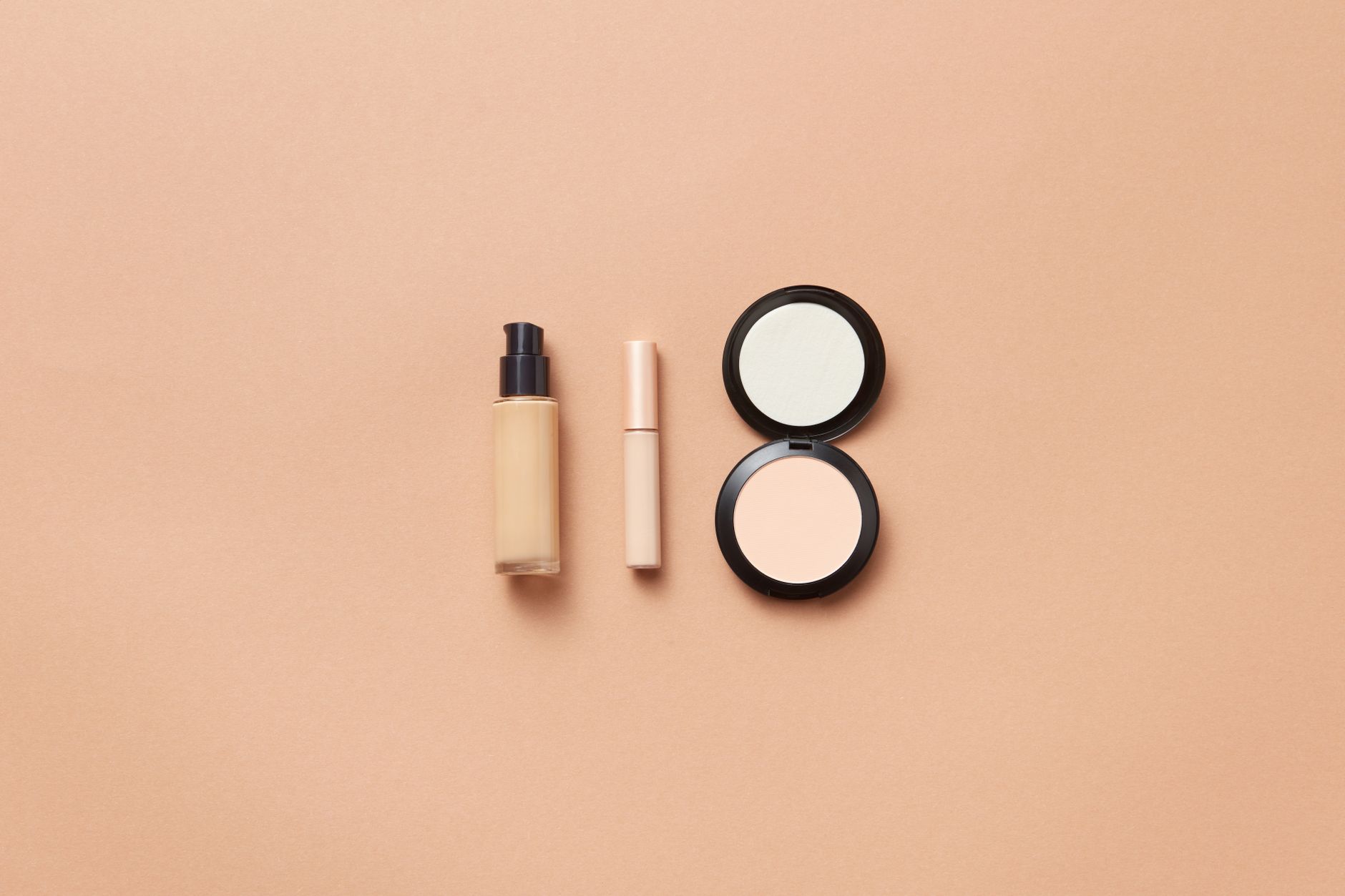
Tarte is betting that enough people have reached the ceiling of what skin tints can do and want something with slightly more function – not more coverage, more intelligence about where coverage is needed. Whether the encapsulated pigment technology delivers consistently across the full six-shade range, or whether it works beautifully at some tones and struggles at others, is the question that doesn’t have a full answer yet. That’s not a flaw in the product so much as the persistent limitation of “adapts to your skin tone” as a claim – it has a history of performing unevenly, and Tarte’s version will be held to the same scrutiny.